

August 22, 2022.
While today is the birthday of my Mother, I find some irony in that Mom was another part of this story. This blog is about my upcoming venture retracing the 500 mile “Cactus Trail” – the 1944-45 combat experience of the thousands of men and women serving in the 103d Infantry Division of the U.S. Army. More sprecifically my itineray involves the route of the 410th Regiment and, further, that of the Intelligence and Reconnaisance (I&R) Platoon leader, Lt. Patrick P. O’Regan. My father.
Seventy-six years later, I’ve chosen to solo travel to Marseilles, France and pursue the same itinerary as best I could document from recorded military history and de-classified materials including maps, radio transmissions, monthly regimental and battalion reports for the eight months of combat du. I also had the additional insight provided from military and historical accounts of the 103d and 410th’s exploits and Dad’s wartime correspondence to Mom that shared the more personal side of war as well.
Since you’re reading this initial posting, I’ll give some context in very broad terms about what brought these soldiers to the Alsace-Lorraine region of northeastern France and what the purpose was of these 15,000 U.troops in the 103d Infantry Division
Dad is remembered for his occasional German phrases usually applied to any or all of his six children. “Achtung!” “Nein!” “Snell!” were common words and perhaps his best effort at discipline. A memorable expression was “Moment, Bitte!” – “a moment, please”. The expression was applied in a number of settings. Possibly, a time in a conversation, when Dad would want to insert his answer or solution. Possibly a time for him to lend a hand, calm you down and utter: Moment, bitte while he took over. An oft repeated line by myself, siblings and the children who have since followed, I’ve chosen to “Moment, bitte” to pursue the story of his 25th year of life as a combat officer- a story his six children know little about.
My research provides me with an expanded understanding of why that absence of knowledge exists. The early 1940’s culture of men? The unarguable horrors of war? The post-war silence of veterans who endured the hardships associated with 8 months of combat? The stresses that came with post war living and economic survival? Returning to families? Returning to families as a person very different than the one who left?
Little was known. Little was discussed. Suggestions could be many. Reasons could be multiple.
I embarked on this study to learn of my Dad’s experience. I simply did not know. I soon learned far more than anticipated with a new and deeper appreciation for his efforts and his survival.


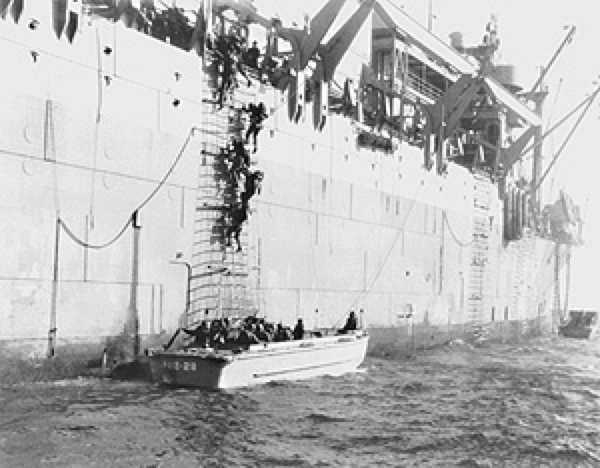
The USS General Brooke, serving as the flagship vessel with the 410th on board, left New York Harbor, passing the Statue of Liberty, and sailed 15 days along with 14 other naval and commercially re-designed ships to transport U.S. troops across the stormy Atlantic to the eastern front of the Allied war with Germany. The landing and unloading of troops and supplies at Catalans Beach (sometimes referred to historically as Callahan’s Beach) was chaotic. Troops disembarked the Brooke via rope ladders to Landing Craft Infantry (LCI’s)
Troops marched 10 miles to their staging/billet area in Calas, France. A journey thay left many exhausted GI’s by the roadsides, heavy rains that night soaked them, their belongings and equipment. After ten days of training, planning, putting together weapons and jeeps, etc. soldiers motorcaded the 440 miles to Docelles, in the Alsace-Lorraine Region of northeast France and south of the formidable Vosges Mountains – a range that covers over 3,100 square miles and a range the 103d Division would be come familiar in its soon to begin combat.
In a mountainous region fighting the hostilities being reigned upon them as Nazi Germany made its final offensive move to win the war. That effort failed due to the courage and determination of so many.
From USM: On 20 October 1944, the103rd Infantry Division arrived at Marseilles, France. Moving by rail and truck, the men of Cactus left Marseille on November 1. They went just north of Dijon to join elements of Lieutenant General Patch’s Seventh Army.
The men halted at a rail junction in Docelles, near Epinal. Here, the VI Corps of Patch’s Seventh Army was preparing an offensive to the northeast of the Moselle River and the 103d ID would play an integral part in that operation. The Cactus Division dug in on the front between the 3d and 36th Infantry Divisions. On 11 November 1944, Allied forces marched against Germany; only 26 years after the end of World War I–supposedly the war to end all wars.

The Front moves forward into Germany
Dad’s letter of October 23, 1944
…When we arrived at the port, dear, as you can imagine it was quite a sight with all those ships and men unloading. We didn’t unload via gang plank but by cargo net over the side. With the weight we had on our shoulders it was really challenging. We had to actually lower one boy by rope who couldn’t descend by himself. As a matter of fact ,I had to hold onto the Colonel’s coat myself until he got steadied. We unloaded into LCI’s [landing craft infantry] and to the shore we went. Unloaded and so started the march to our bivouac area. So help me, honey, I’ll never forget that hike so long as I live. Honey, you never saw so many hills in your life, and believe me, sweets, they were all uphill. We saw quite a few French people but they were all disreputable, dirty, and hard looking.
The town had signs of the recent trouble in quite a few ways. A few bombing scars, etc. no windows in the houses.
Just before we left the port we had a little air raid scare. A German recon plane came over the harbor and things really started to pop. The guns opened up on him and he took off in a hurry. I guess that was our first taste more or less of the real things to come.
We are sleeping in pup tents and eating K&C rations. The K are pretty good but after Alaska I’ve had all of the C rations I care for. Beans for breakfast, stew for dinner, and hash for supper can have its drawbacks after a while.
We haven’t done much yet except fix the place up and try to make it livable.
I don’t know what’s ahead of course but I have ideas and have heard a few rumors and so I believe that the real thing isn’t too far off. I think it’s just as well, darling, to go ahead and try to get it over with as long as we’ve come this far.
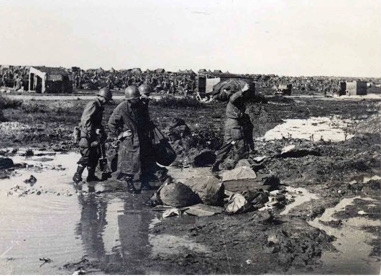
His story and the morning after picture:
From USM: On 20 October 1944, the103rd Infantry Division arrived at Marseilles, France. Moving by rail anzad truck, the men of Cactus left Marseille on November 1. They went just north of Dijon to join elements of Lieutenant General Patch’s Seventh Army.
The men halted at a rail junction in Docelles, near Epinal. Here, the VI Corps of Patch’s Seventh Army was preparing an offensive to the northeast of the Moselle River and the 103d ID would play an integral part in that operation. The Cactus Division dug in on the front between the 3d and 36th Infantry Divisions. On 11 November 1944, Allied forces marched against Germany; only 26 years after the end of World War I–supposedly the war to end all wars.
Lastly for this first post, the Cactus Route is summarily described below:
Combat Chronicle
The 103d Infantry Division arrived at Marseilles, France, 20 October 1944. It relieved .the 3d Division at Chevry, 8 November, and attacked west of St. Die, 16 November, in its drive through the Vosges Mountains. Meeting heavy resistance all the way, it crossed the Meurthe River, took St. Die, 23 November and captured Diefenbach on 29 November and Selestat on 4 December. The Division crossed the Zintzel River at Griesbach, 10 December. Pushing through Glimbach, the 103d crossed the Lauter River into Germany, 15 December, and assaulted the outer defenses of the Siegfried Line. On the 22d, the Division moved west to the Sarreguemines area where an active defense was maintained. The enemy offensive did not develop in its sector and the 103d moved to Reichshofen, 14 January 1945, to take up positions along the Saner River. Defensive patrols were active and a limited attack on Soufflenheim on the 19th was repulsed by the enemy. On the 20th, the Division withdrew to the Moder and repulsed German advances near Muhlhausen, 23-25 January. The 103d’s offensive began, 15 March 1945. Crossing the Moder and Zintzel Rivers and taking Muhlhausen against sharp opposition, the Division moved over the Lauter River and penetrated the defenses of the Siegfried Line. As German resistance disintegrated, the 103d reached the Rhine Valley, 23 March, and engaged in mopping up operations in the plain west of the Rhine River. In April it received occupational duties until 20 April when it resumed the offensive, pursuing a fleeing enemy through Stuttgart and taking Munsinger on the 24th. Crossing the Danube near Ulm on the 26th, it took Innsbruck on 3 May and reached the Brenner Pass on the 4th. After VE-day the Division received occupational duties until it left for home and inactivation. From US Army Center of Military History https://history.army.mil/index.html
SEPTEMBER 7, 2022 Post
So day 1 was eventful . A 24 hr day between Dulles Airport arrival and Marseille. Nine and a half hours of flight time. No sleep. I then thought of the two weeks troops spent on a ship traveling though rough seas to arrive in Marseille. No complaints.
Customs and car rental went surprisingly smoothly. Drove my 6 speed stick shift Fiat into Marseille. Knowing my hotel was in the city center I had inquired about parking. Figured I’d drive to the hotel and unload my bags. No chance, as I found myself feeling like I was in a Jason Bourne movie driving though throngs of people and endless motorcycles weaving in, out and around traffic. Finally found a parking garage and put the car away for my three day stay.My hotel, Hôtel Saint Louis – Vieux Port, overlooked the public plaza Cours Saint-Louis a few block from the Old Port harbor.
So far, I would have to agree with my Father’s thinking about Marseille from his November 10, 1944 letter reflecting on his earlier stay in the Marseille area:
.
…At any rate I was in the Marseille sector for a little more than two weeks and was able to get into town twice, Sweetheart. If anyone ever talks about the slums of New York derisively as compared with southern France, why just tell them what I’m telling you. I don’t know whether it is all caused by the war or not but I have my doubts. However, the farther we get into France the nicer the people are, but still the same poor, squalid, poverty that seems to overhang the whole thing. These picturesque French houses and towns are picturesque from a distance only. Up close they are a pretty sad lot.
‘Tis quite a city. Gorgeous location and view by the Port but one of the dirtiest places I have visited. An amazing mix of nationalities
I roamed the La Vieux Port area in my quest to target several areas areas – Catalans Beach, the Planier Lighthouse where the USS Brooke anchored and the Museum of Deportation.
Clearly the highlight was locating Catalans Beach which I literally found a few days before my departure. All of the accounts of the landing location referred to Callahan’s Beach of which the National Archives and the US Army of Military History were unable to find . I decided to search Marseille Beaches for something similar. And there it was, Catalans Beach, now one of Marseille’s most popular. And I can see why. But I did get to sit in the same same and walk in the same sea as my Dad. I sat and enjoyed knowing five years of research had led me to a location my Father had experienced. I collected a bottle of sand knowing the journey had truly begun.
My time available to view more closely Plantier Island was less successful as the bus ride, while informative, was the wrong choice for viewing, but a right place to see the Norte Dame Basillica – a most familiar landmark atop a hill in Marseille. I then opted for the museum and the converted seaside forts now varied museums and tourist attraction. The Museum of Deportation addresses the many French Jews who were carted away to work camps while the weaker ones were “selected” to what was essentially death at varied concentration camps. The oral history videos contained horrific stories by survivors.
The silence and lack of interest from family and acquaintances was believed to be the reason for the growing notion that the holocaust did not happen. Tragedy from so many perspectives.
Some pics


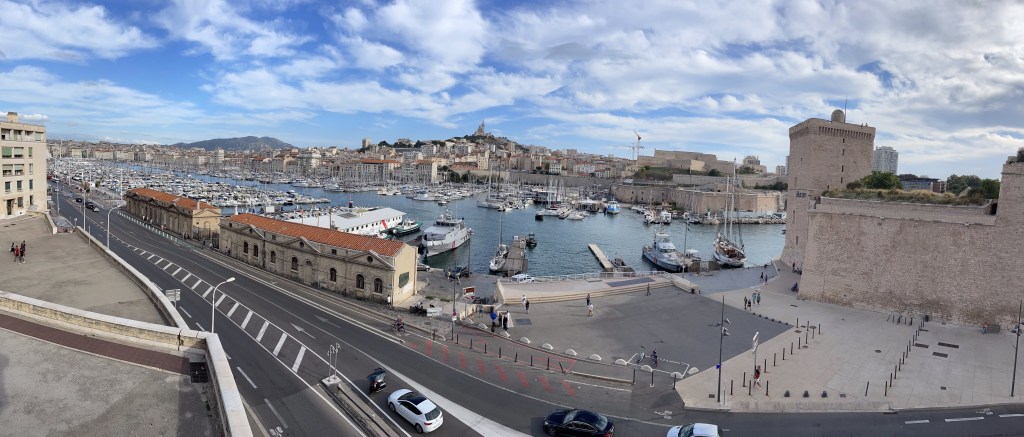

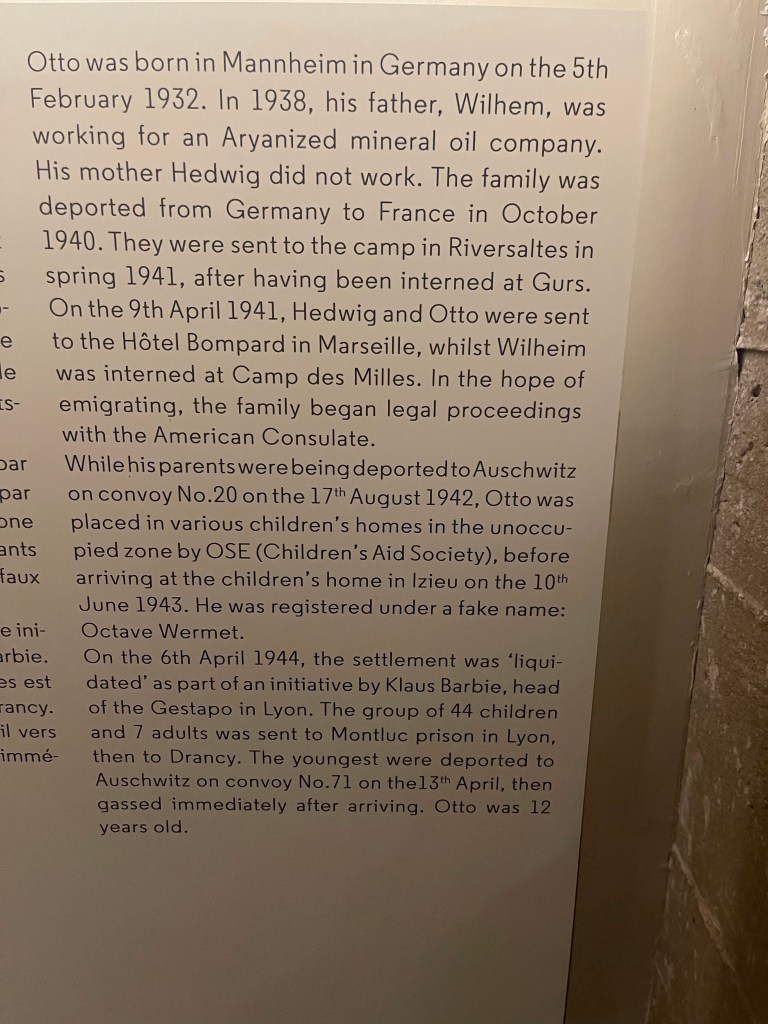
Calas and Epinal tomorrow.
September 10
https://docs.google.com/document/d/14Amy4FaIePnC4yiGkKd5eGIpDwHCoycGPrksdYSnVa0/edit
OR….
The journey from Marseilles via Calas was a long one but a final contextual one for my arrival in Epinal. The staging area was a bit of a guess to find but the location was mapped in a location close to a road intersection that naturally flowed north to Valence, Lyon and Dijon by both motor and train. I gave this my best judgment ruling after an unsuccessful effort with the town office staff in Cabriè – the umbrella town to the Calas sector. They enjoyed my American French and I had six people at one time seeking to assist me before being handed a phone to talk w a gentleman who offered his best effort with the US a military staging location. With a new map, I was off.
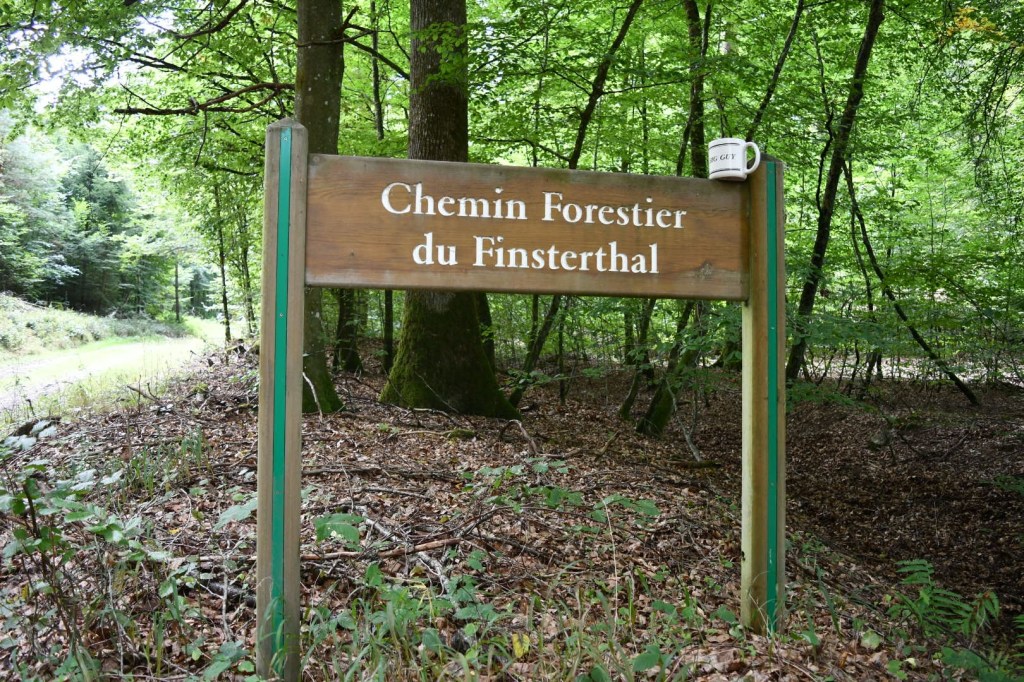
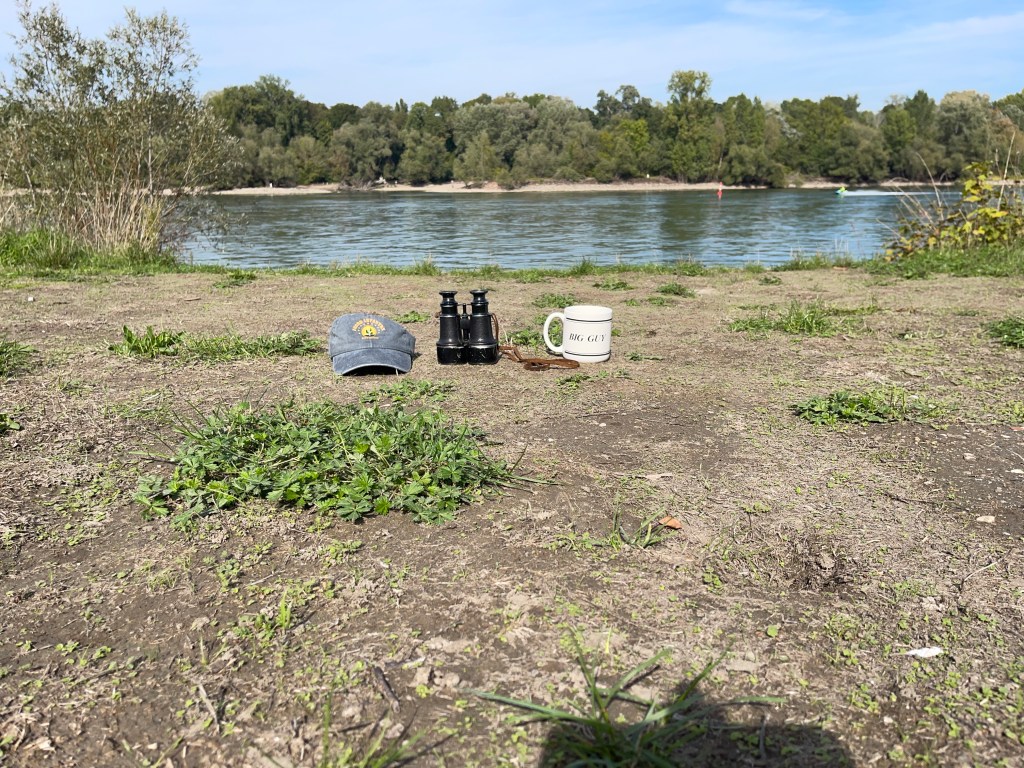
A side note now is I brought with me a coffee cup embossed with Big Guy on the side. During my younger days, I had coined the term of endearment, if you will, for my Father. Known to my peers as The Big Guy, he was also referred to as The General – a commanding guy and not one to mess with was the sense I and my friends had of him at the time. The mug was eventually a Father’s Day gift to him that remained on the shelves til his death in 1992.
The mug is with me now and I intend to showcase it in location I knew he was at.
I chose to begin with Calas.

The remainder of the trip Thursday was one of reflection, sight-seeing, understanding French roadways and drivers, highways rest stops and the navigation system of the newly driven before Fiat.
Vittroles was just north of Calas and perhaps the most scenic area of the day.stunning views and mountains leading into vineyard filled hillsides.
The day was a long one with the ten hours of driving that actually required me to take rest stops.
The reflection time was focused on what these infantry troops were thinking. As I listened to my pre-planned Apple Music album of 40’s and Big Band music – likes of Begin the Beguine, Sentimental Journey, The Boogie Woogie Bugle Boy,
…, In the Mood, Tuxedo Junction to name a few, I cruised at a terrifying 140Kms/hr being passed by most other drivers.
I had time to attend to the stories read over the past several years and how the reality of war was upon these 15,000 men. As a non-military veteran, I have a only an outsider’s view but an informed view of this small element of human beings, multiplied over and over across the world, now confronting war, death, surviving, loved ones… the here and now.
As I drove through one of France’s national highways, A7, I passed many ot the cities, towns, these army infantrymen did. My skies were blue. As one veteran from the the 410th said:
That night it rained pretty hard. The next morning everything was soaked. That day the rain turned to sleet and it was miserable.
I had blue skies all the way to Epinal to my three night hotel a few miles from the train depot and drop-off point in Docelles.
Tried to formulate what my Dad might have been thinking… a second lieutenant, platoon leader of a Intelligence and Reconnaissance Team- pretty self-explanatory in what might be assumed a a high risk entity going into the forest with an unknown enemy and land mines. I had no idea. Went to reread his letters from that time.
His letter to Mom upon his arrival into Docelles and what I believe was initially Chamois deviant Bruyeres where he slept in the farmhouse:
Nov. 10
The night before last we stayed at a little French town and slept in a Frenchman’s house. LllYesterday I came up here with the reconnaissance party and so here we are. One thing I can’t get over, dearest one, is the seeming unreality of it all. Here I am in a dugout, listening to the artillery go off about 200 yards from me (American), smoking captured German cigars, carbine loaded for action.
I suppose that it’s going to be a long, hard winter.
A long hard winter, indeed. Dad’s regiment arrived on Nov. 10th. (0n Nov.9, Franklin D.Roosevelt was elected to his fourth term as President). Upon entry into combat, the strength of the 410th Infantry Regiment was 158 officers and 3,024 enlisted men.
Eight months after combat, the regiment suffered 4,558 casualties with 720 KIA. 3329 WIA, 88 missing and 421 prisoners.
Back to the trip…
So I breakfasted ( I made it a verb) at the hotel knowing I had a local travel day to Docelles, Chamois devant Bruyeres and The Epinal American Cemetery. Docelles was a six mile ride out of town. I found the location of the old rail station much to my pleasure imagining the unloading onto trucks before being dropped in various loacations in the area to provide relief to the 3rd Division which had been involved in the offensive campaign of Dragoon since August.
I moved on to the temporary Regimental HQ in Chamois devant Bruyeres misleadingly referred to in historical journals as Chamois- a town 40 miles away.
I took my pictures once again imagining the destruction these men continued to witness since leaving Marseille and Calas and the warm greeting they received from the relieved French as the further the army moved forward the more these people were liberated from Nazi Germany control.


Next
The Epinal American Cemetery

The Epinal American Cemetery was an extraordinary visit. The 5,300 Americans buried and the reality of this being just one of 26 American military cemeteries located in 17 foreign countries spoke volumes. I had the entire place essentially to myself . My initial encounter with Elio Zaranelli , a 25 year veteran and the temporary superintendent on leave from the Normandy American cemetery. He gasped when I answered his question of why I was here. Full of stories and tearful as he spoke at times, he shared of the 97 year old American veteran who visited lost friends recently and was acknowledged by hundreds of appreciative locals; the story behind the only child buried here; those acknowledged but whose bodies were never identified.
He cried three times as we spoke. We left with a hug. Unexpected for sure. Inspired further by him. I roamed the cemetery…silence among the crosses and the Stars of David. While I read every name and date of death, I focused on those from the 103d Infantry.

Pvt. Tommy Green died Nov.11, 1944, the first full day of combat after arrival in Docelles. Pvt. Domingo Hernandez, Nov 16th – both from the 409th Regiment. Pfc Bert L. Overcash Jr.410th on November 27. Brothers buried next to each other. Jean Cunningham, American Red Cross worker. Crosses marked with an unknown name labeled “A comrade in arms”
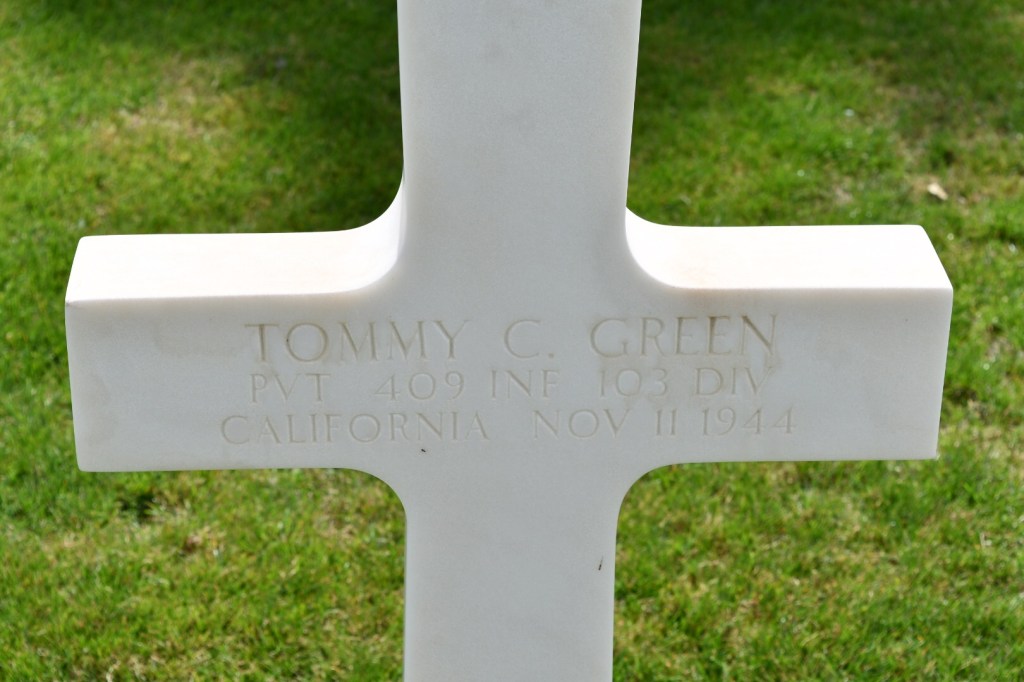

What also struck me was the number of 3rd Infantry Division members laid to rest here. The 3rd was the target group relieved by the 103rd. It’s’s losses were great. The members heroics even greater. I walked slowly among most of the graves
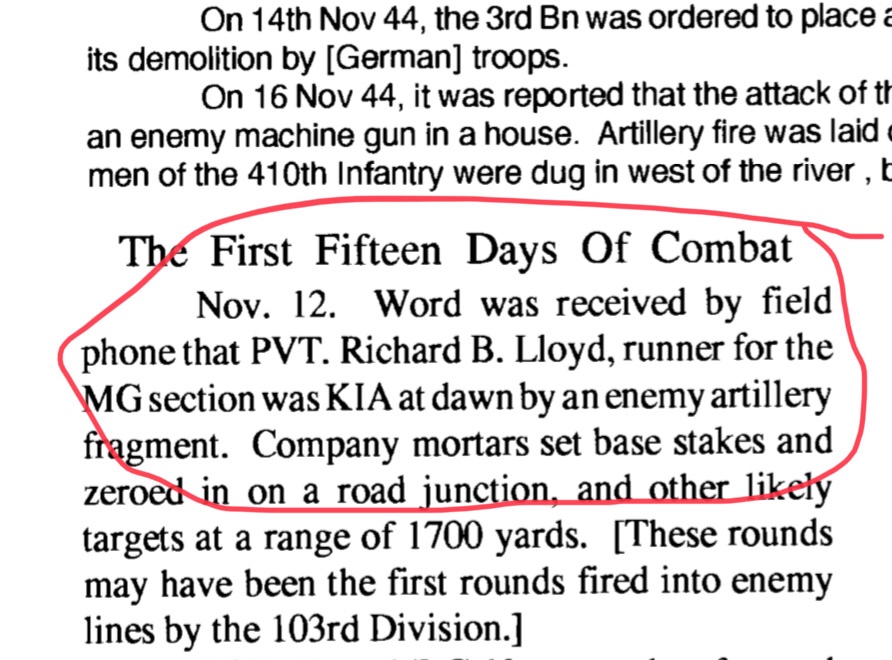
I continue to walk among the graves as the skies began to darken. I slowly worked my way toward the start of Section B of the cemetery, once again, saying names aloud and taking note of dates, home states and regimental affiliation. The last one I came upon was the cross of Pfc. Richard B. Lloyd of the 410th – from Washington state killed in action on Nov. 12, 1944. I touched the stone, said a prayer and thanked him for his service. Two days into combat.
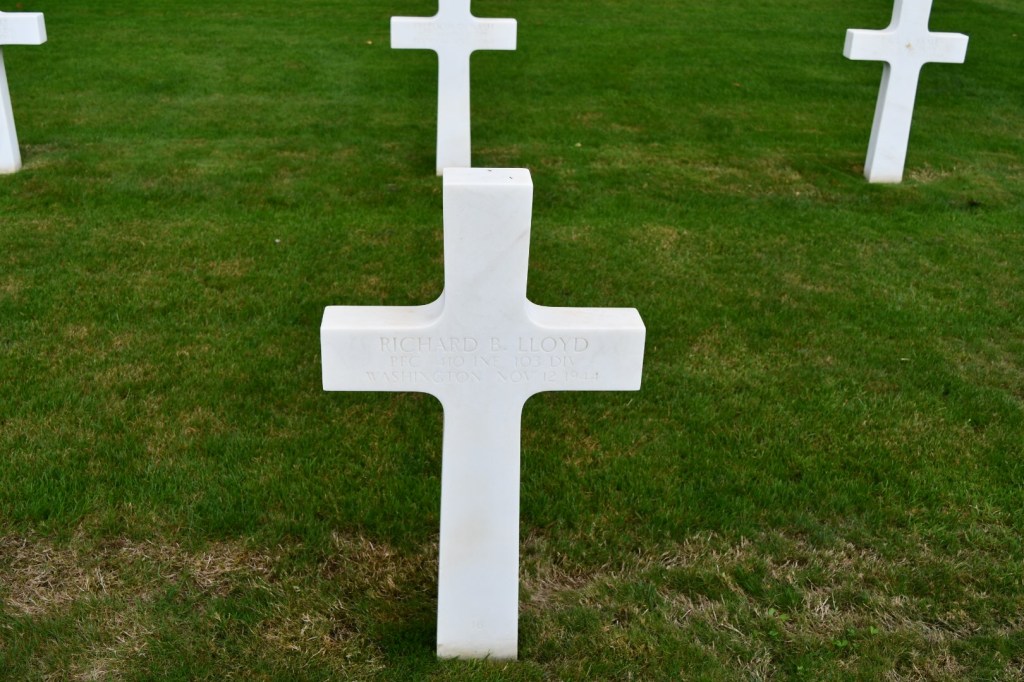
When I returned to my room, I was re-reading some of my reference material on the Vosges Mountains area of combat and, of course came across this:

The 12 pages of casualties across the 103d Division since the start of combat on November 11 looked like this:

The declassified (2010) casualty report for November, 1944 for the 410th Regiment

So many had to be thinking… there but for the grace of God go I.
The Vosges Mountains, Taintrux River and Chevry

This is the area I have been in the past two days. More coming.

September 14, Oberbronn, France
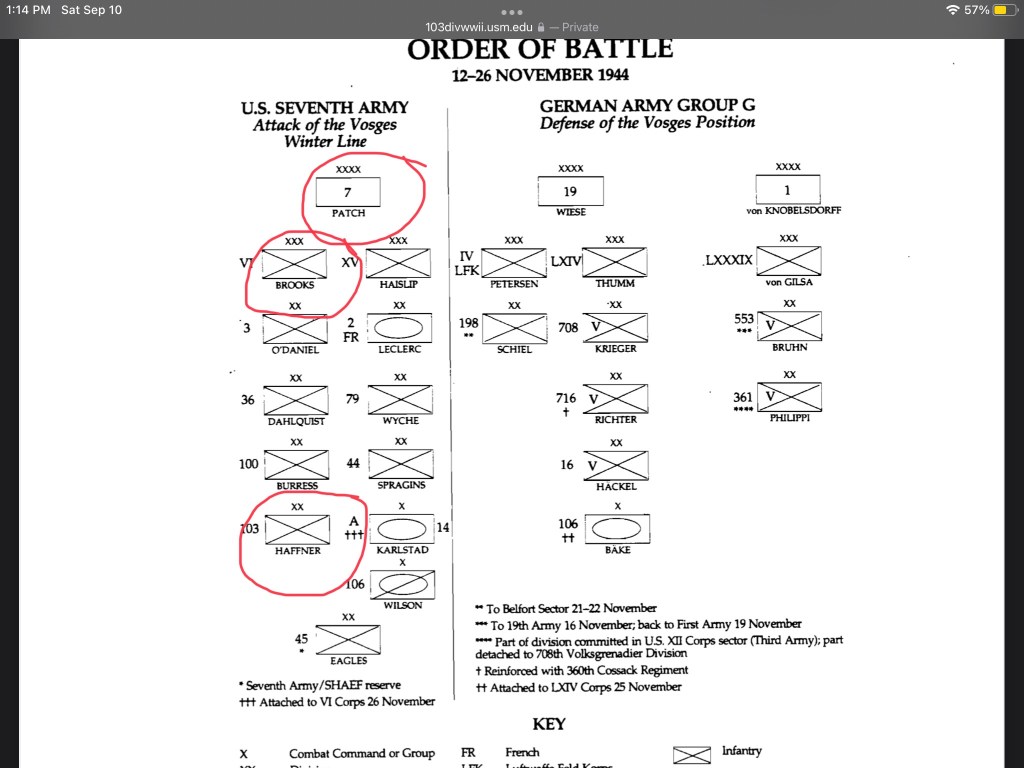
The travels are moving faster than I can report. let me back up a bit and hit on a couple of contextual issues for followers. First the composition of the 103d Infantry Division.

Further, this was the US “team” working against the German Wehrmacht “team” for the history buffs. An fyi this slide shows the breakdown of the organizational chart of the varied divisions working under the 7th Army command which worked under the VI Corps which worked under the 6th Army Group.
A final tidbit on the 103d since the question arose… why the Cactus Trail? The 103d’s insignia arm patch (that troops would intentionally take off in combat for counter intelligence purposes, the Segura Cactus was the insignia worn by members of the 103d- reflecting their 1921 origins as a reserve group assigned to Arizona, New Mexico and Colorado. The motto of the Cactus Division was “Super Ardua Surgo” – Arise Over Difficulties.
According to their commanding officer’s November combat commendation, those soldiers of the 103d lived up to its motto. (TBAttached later)

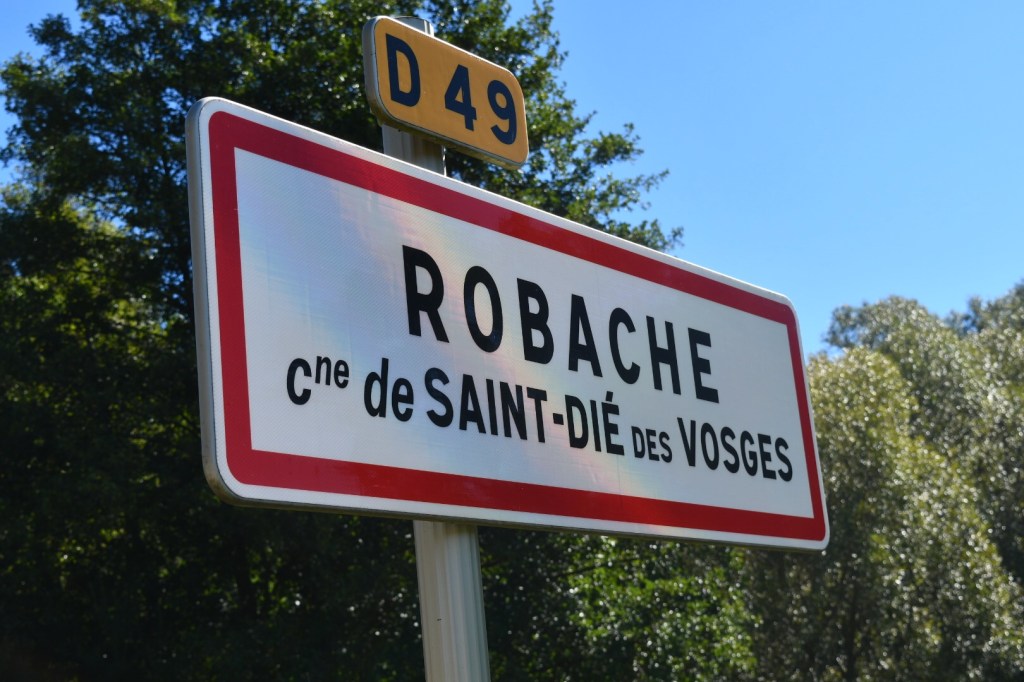
While I investigated the Taintrux River and Les Moitresses areas outside of ST Doe does Vosges. I thought two pieces of info would be worth sharing as this began the all out offensive against the Germans qthat was specifically intended to begin. The Winter Offensive, as it was known, came from a VI Corps Field Order No. 8 to outline the the drives through the Vosges Mtnrs. The 100th Division was to protect the VI Corps left flank and to advance east. The 3rd Division , south of the 100th was to attack northeast through the Saales Pass to Strasbourg. The 103d was to seize the high ground northeast of St. Die does Vosges and then advance southeast to capture Selestat. The 14th Armored Division was to pass through the 100th and 3rd Infantry Divisions to lead the way toward Strasbourg. Meanwhile, the 103d was ordered to cross the Muerthe River by 0200 on Nov. 20th outside of St. Die (LaSalle) and attack northeasterly toward Frappelle at dawn. The 411th remained in St. Die to secure the town.
So, of note here. Combat was clearly ramping up.
Dad’s note of November 21st, 1944:
21 November, France
Have finally gotten settled tonight in an old French house which is the first night with one exception that I have been in a house since we hit France. However, it won’t be for long, we are pulling out first thing in the morning. …
The two nights before that were nights that I don’t believe I’ll ever forget. Saturday [Nov. 18). I had my first taste of real shelling, plus running into a couple of Krauts while on patrol. We played tag with them in the woods for about an hour or so but couldn’t keep after them too long because we still had to make our reconnaissance. We got to a place and we reported them, and a six-man patrol went out and killed them. I still don’t know whether I was more excited or scared when we first met them. We looked at them and they looked at us and both sides hit the ground. We pulled back a little because we thought there might have been more and started to go around to continue our recon. Just about that time we saw them again and my sgt (Varner) gave them a blast on his tommy gun, but because the woods were so thick could get only the one burst off. They hit the ground again and we did likewise because we still didn’t know whether they were the same two or a different pair. There was a possibility of them cutting us off (we were in enemy territory). At any rate we pulled out and then notified the proper people.
The following day again we had the same mission and the same territory and then we really had some excitement. We got to our O.P. and noticed a German horse-drawn artillery convoy come into view and with a telephone set up in a machine gun nest next to us we called for artillery and fired the mission ourselves. We caused quite a bit of damage but couldn’t see the results too clearly and just about the time we were through, all of a sudden, blam blam blam Jerry artillery came in on our O.P. I hit a dugout along with another boy in a flying dive and I do mean we dived. We got there to find 4 men already occupying a two-man dugout. But you can be sure, my darling, that we all managed to find some room. Sweetheart, I was really scared this time and no two ways about it, if anybody ever tells you that they were ever under artillery and didn’t become scared then they are either liars or else were not too close to the artillery. About 20 shells hit the O.P. and I really prayed when I got home that night.
The Saturday date in 1944 was actually the 18th which makes the following communication from the declassified radio transmissions even more so validating of Dad’s engagement and apparent regard for his reconnaissance work:
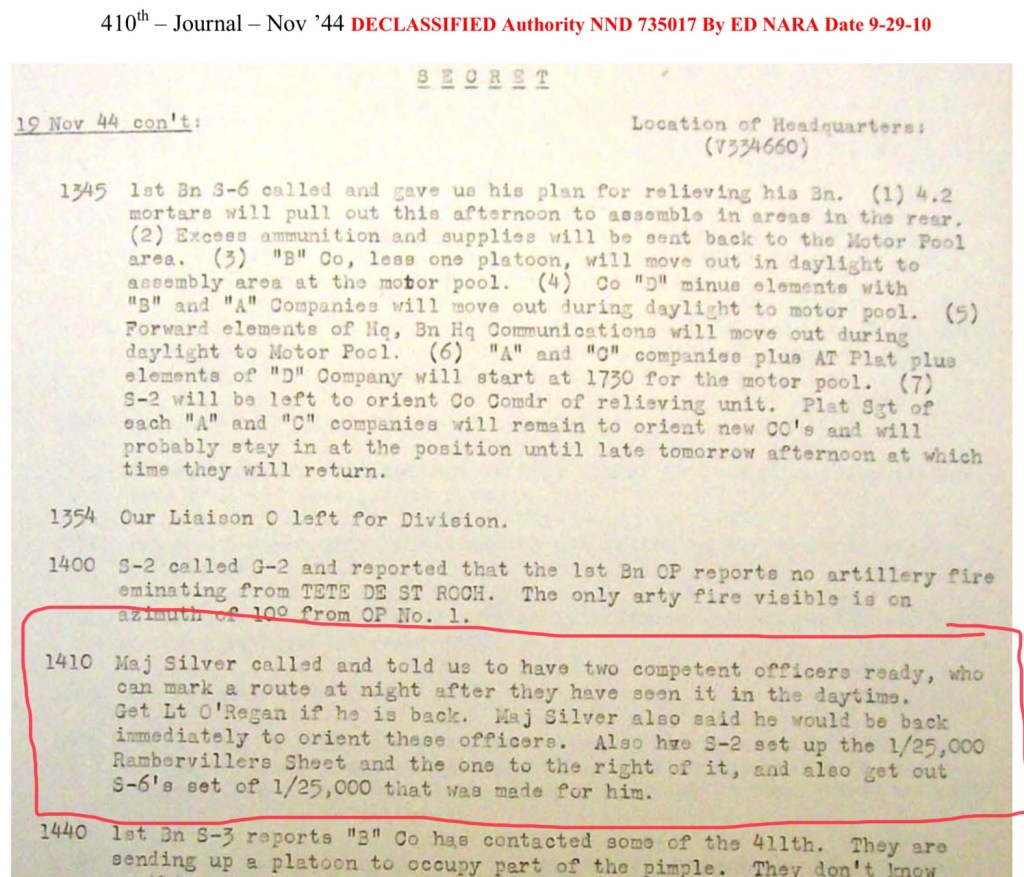
This piece also came from the National Archives.

And a shout out to Brothers Patrick and Rob… Patrick for doing an initial summary of Dad’s military career back in 2000 and Rob for reading Dad’s saved letters and aggregating excerpts for the eight months of combat. Patrick provided a basis for the initial inspiration of this research , provided further background and reinforcement of my efforts during the past several years. The letters Rob took the time to collate simply adds to the very personal and emotional side of this story.
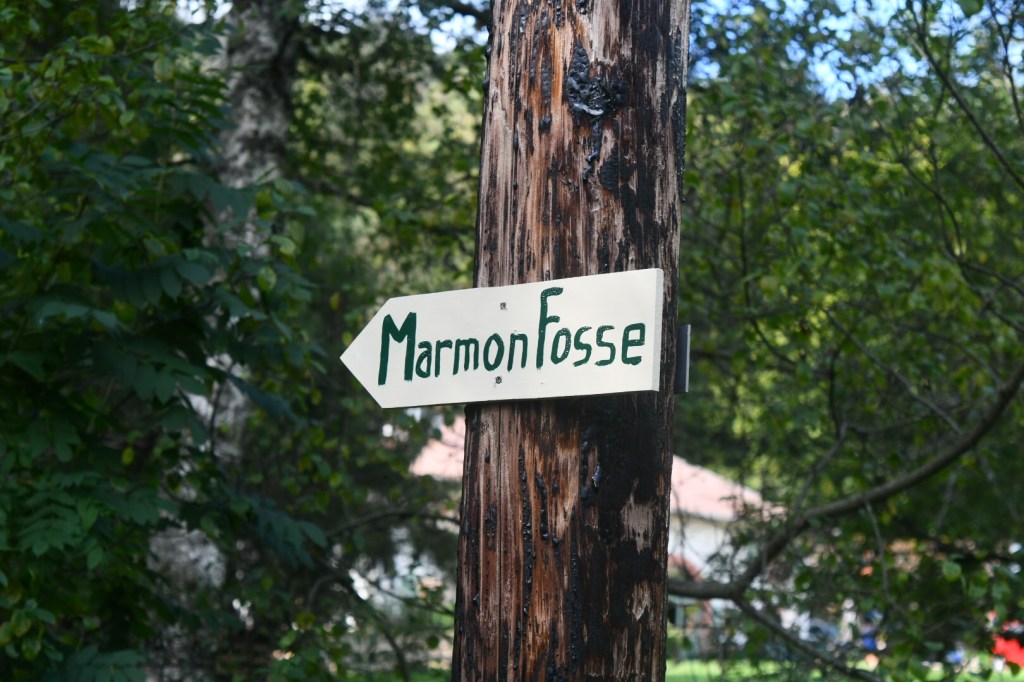
My quest to find the Chevry location of Regimental HQ was a largely successful one taking me on my first endeavor into the mountains. What I I found was a lodging area of multiple cottages on 2 farms in existence since the 1800’s. Known as Marmon Fosse, I chose not to intrude on those present but also felt for the first time of troops walking through these narrow paths and roads with woods on the left and right shielding enemy. This becomes more pronounced as the journey continues. FD

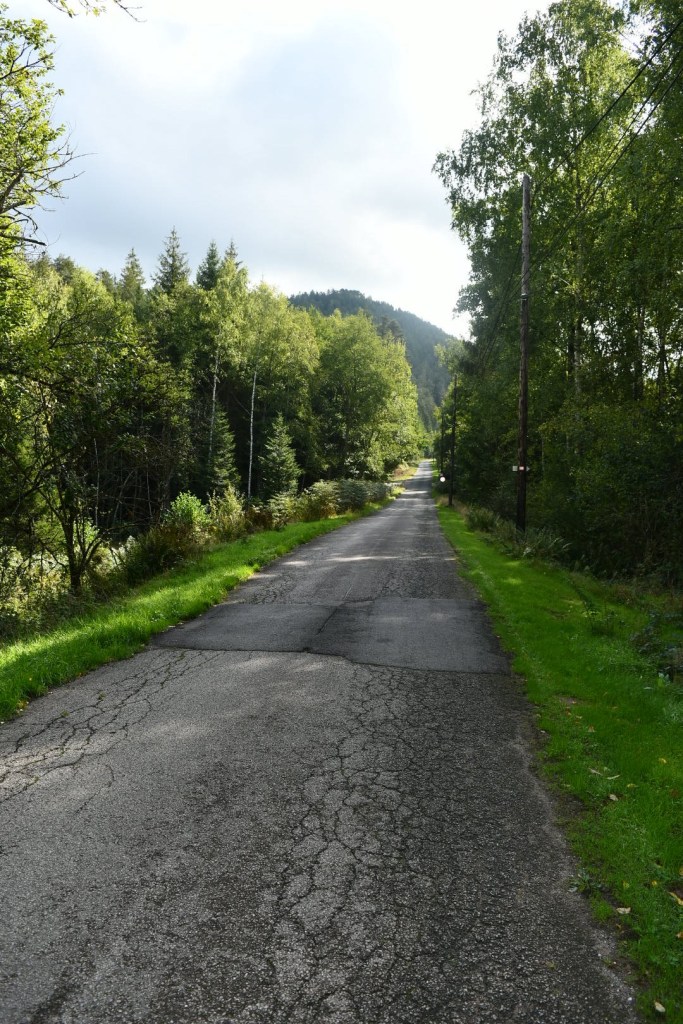
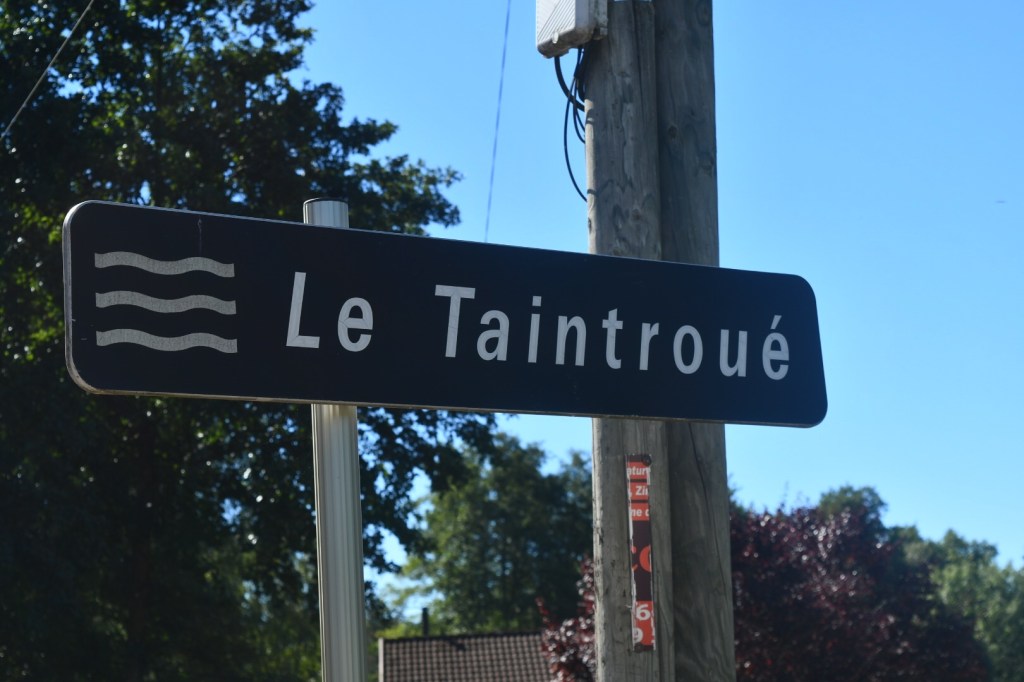
So I went back to The Taintrux River leading to Les Moitresses. Between the passage of time and the hot French weather this summer, the River was barely a river in the Town of Taintrux but the intersection of the Taintrux and Muerthe outside of St. Die was somewhat w



Next: Marzelay, The Vosges and OM Goodness!
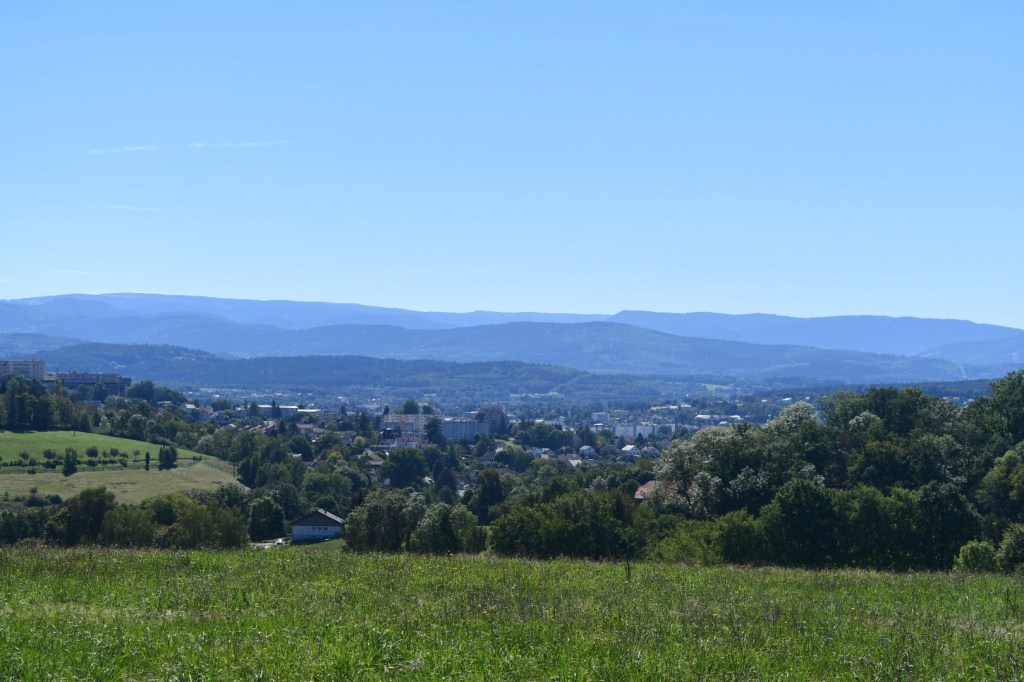

Think cold, wet clothing, no food, no sleep, snow, mud and darkness as you walk into known enemy territory with a loaded weapon in your hand
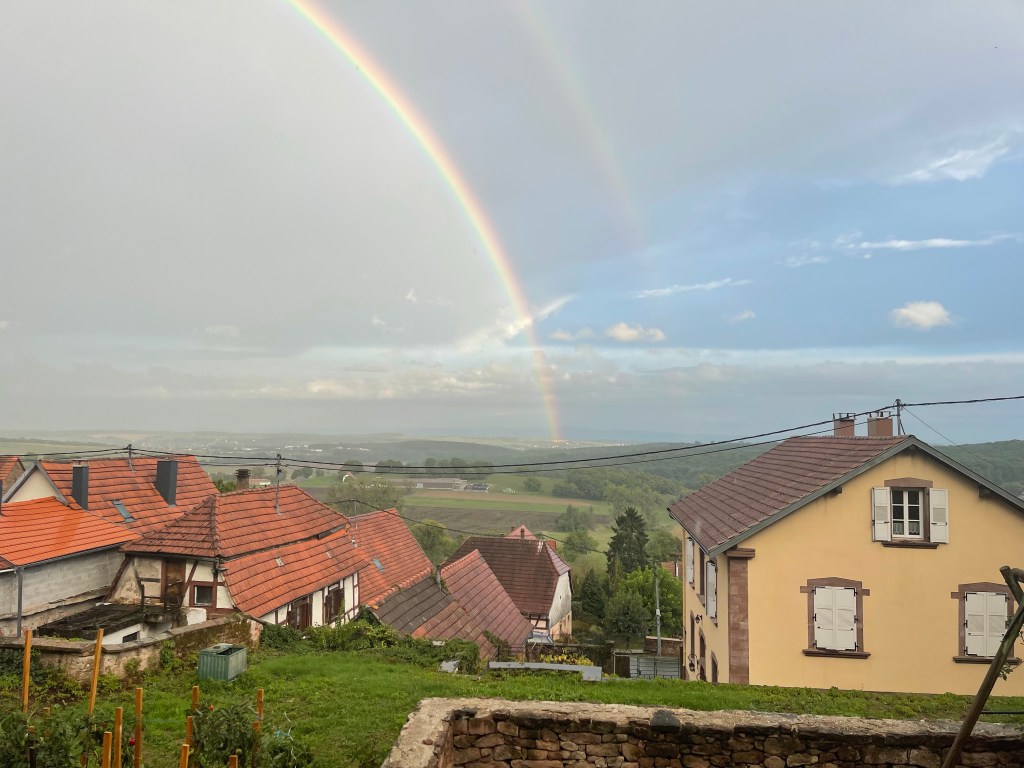
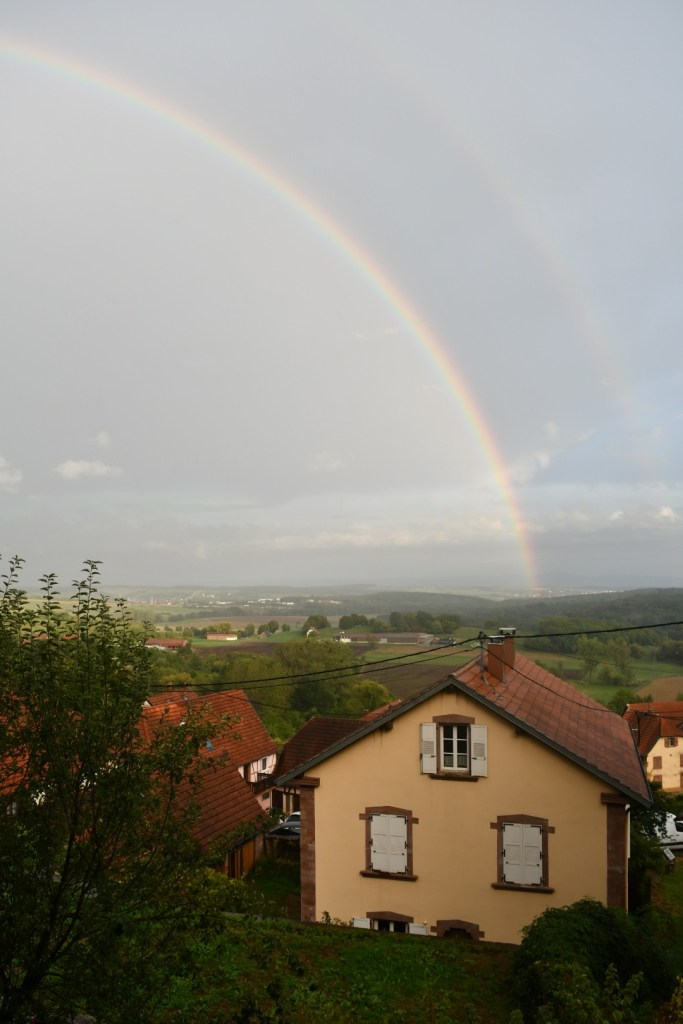
And was treated to this today after my return from Uhrwiller and Phaffenhoffen … the Oberbronn Rainbow that totally enhanced the day!
17/09/22 Saturday
A funny thing happened on the way to the memorials…
So catching up. Left Oberbronn to recommit my unsuccessful effort to locate the 103d monument memorial on Pfaffenhoffen and to return to Hohwarth to do the same. My first efforts were impacted by heavy rains and ambiguity of location the day before. I returned to my BnB and further researched. Found it!! The exact longitude/ latitude location. The rains came again. I was not to be denied today. I found the Rue des Republic and the gps indicated I had arrived. I circle the location several times – totally frustrated as I stood underneath the parking lot canopy. The monument was not visible. I once again pulled up my research and there was the picture… there stood the monument where there once was no canopy! It had been removed. Crushed for the moment. I decided it made my decision to return to Hohwarth and Elise St. Gilles to the second plague
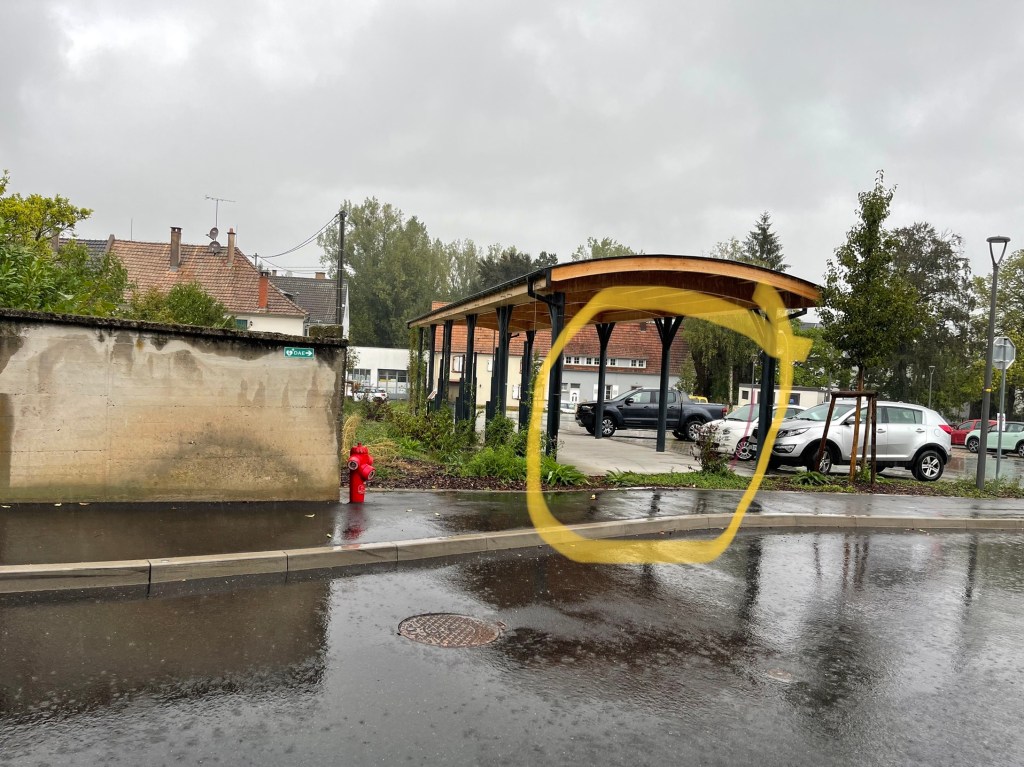
I’ll find the comparative pic soon once I figure where I found it the first time!
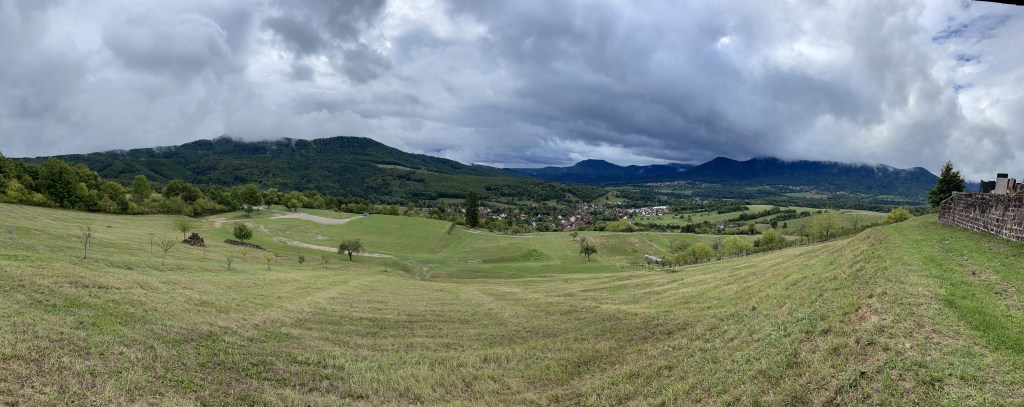
So off to Hohwarth. After a brief visit through another location of Dad’s travel in a wider Ron les Bains- a beautiful village further north and closer to the German border, I ventured the 1 hr drive to Hohwarth.arriving at this stunning hilltop view

The St. Giles plaque
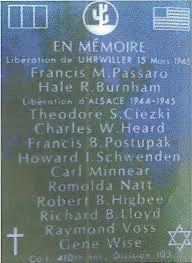
St. Giles
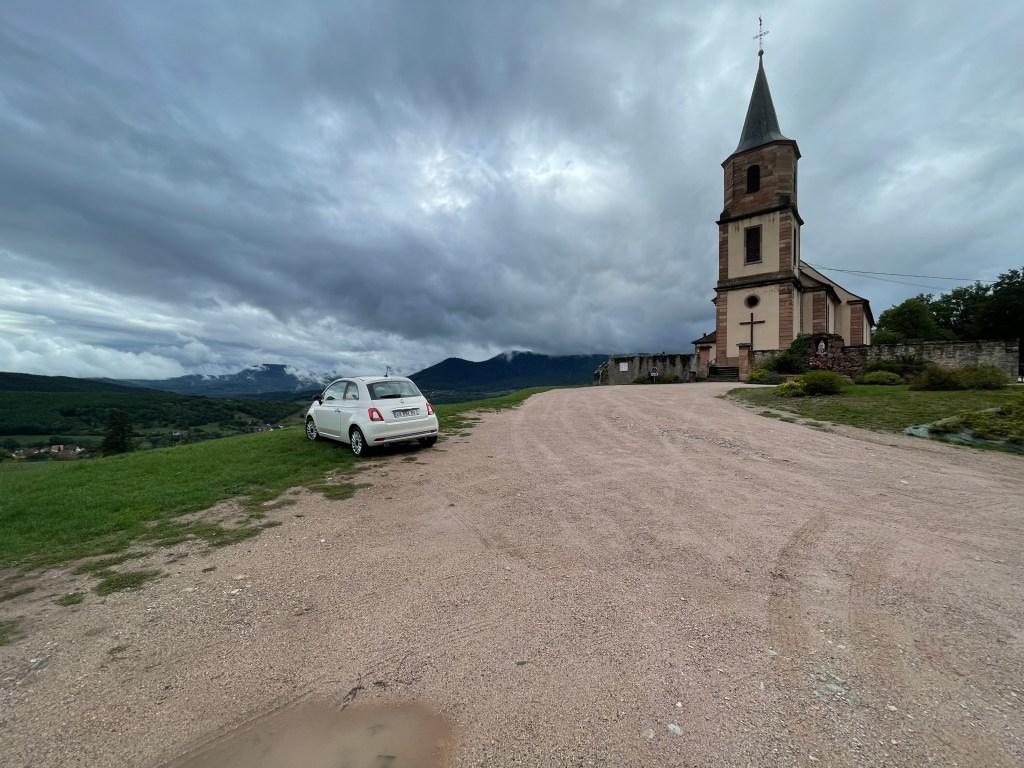
From The Trail of the Cactus
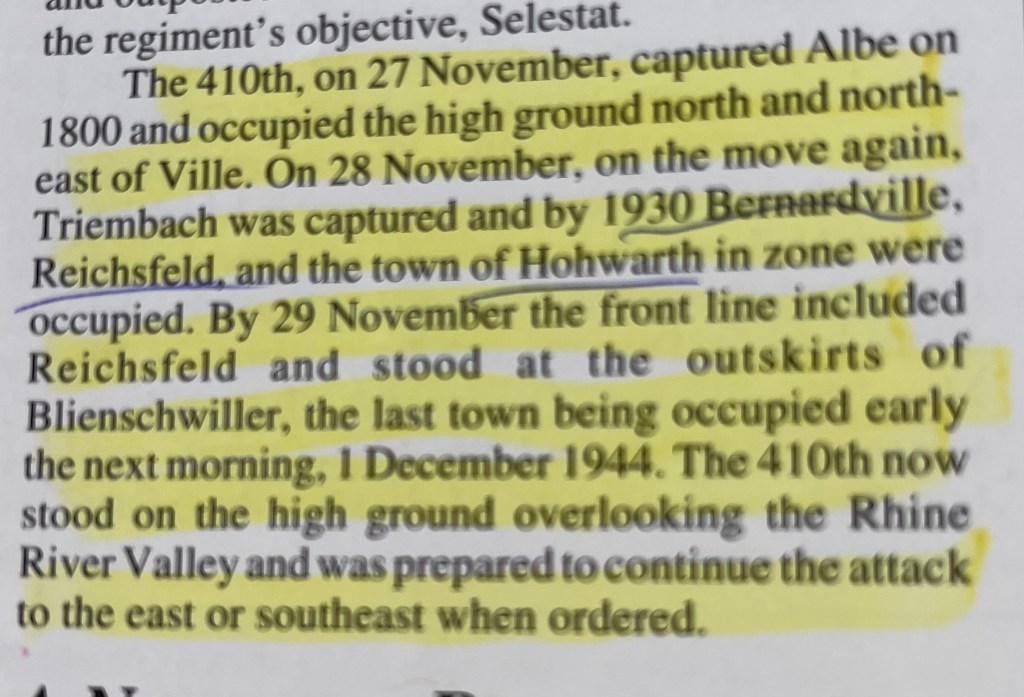
Dad’s letters from the 28-29 ( his birthday) reflect the combat activity and the rapid advancement of the 103ds offensive:
28 November
I’ve had a few more experiences since I wrote last. Out on a patrol the other day I took the whole platoon plus a vehicle, 4 men and 50 men from anti-tank co. to try and put in a road block to prevent the Krauts from escaping. Our job was to go behind the lines and try to put in the block before these retreating Krauts were able to get there. At any rate, after about 5 hours of traveling through woods, mountains, and pouring rain and after sweating out every foot of the way, we finally hit our appointed place. Well just about the time we got ready to go to work, what comes up the road but some 200 Jerries plus (we counted them). We pulled back into the woods and observed for a little bit when suddenly one of our scouts spotted some of them sneaking up on our rear. Right about that time we really started to sweat. It was a pretty ticklish situation and don’t you think we didn’t know it. We were heading north on the road, the big column of Jerries was coming on another toward us from the east and we spotted this Jerry patrol coming from the S.W. That only left our escape open toward the west. We sent one vehicle back down the trail at a time and when they had gotten about 300 yards away we took off down the side of the hill like a deer and didn’t stop for half a mile. When we stopped and reorganized we all breathed quite a sigh of relief.
They haven’t had too much use for the platoon as yet because the situation is moving just a bit too fast. By the time they could send a patrol out and back the front line troops are already up there.
We are running into all sorts and types wearing German uniforms these days, honey. At the present the trend seems to be towards Russians (that’s right). They keep pouring ahead until they run out of ammo and then they surrender. It’s a tough business to have to take a prisoner when he works that way. I’d rather just shoot him right on the spot.
29 November
Here I am in a house captured last night by our boys and occupied today be my platoon. Darling, I only wish I could tell you where I am. I’m afraid I can’t. Anyway the house and people in it were Krauts or at the very least sympathizers, and believe me honey, we are making the best of it. We’ve been going like hell through these towns and the division is really making a name for itself.
Bad cell service is creating challenges in writing these past three days so I will add when I can
So working my way back to my St. Die Des Vosges and the subsequent towns of travel. This combat was fast moving, spread the regiments and various battalions into different villages, roads and woods. The enemy was present as were the land mines.
The order to attack Ville was given to the 410th on November 24 with an added imperative to take prisoners if possible (ToC, p.31). From the 410th, Hq Co November Morning Report, Dad’s locations remained centralized in the lower Vosges Mountains region. Towns were listed by name in many later cases but other areas were noted by grid system of overlays to keep the enemy from intercepting radio communications of Allied movement.
MORNING REPORTS – 410th, Hq-Company March ’44 thru July ‘4
11/6/1944 Valence, France.
11/7/1944 Dep vic of Valence by motor march, 0806. Arr in bivouac, Dijon, FR, 1900. Dist, 190 mi.
11/8/1944 Dep bivouac, Dijon, by motor march, 0830. Arr in bivouac, Charmois, FR, 1730. Dist, 140 mi
11/8/1944 Location Charmois, France.
11/19/1944 Location Vic St Die, 33.2 – 68 Map #XXXVI – 17, NDG
11/20/1944 Location Vic St Die, 35.2 – 65 Map #XXXVI – 17, NDG 11/21/1944 Location Vic St Die, 35.9 – 70.9 Map #XXXVI – 17, NDG
11/21/1944 Location Vic St Die, 35.9 – 70.9 Map #XXXVI – 17, NDG
11/26/1944 Location Frapelle, V 5066, NDG
11/28/1944 Location Ville, V 6771, NDG 11/30/1944 Location Ville, VZ 6791, NDG
A lengthy but more descriptive account of activities and the horrors of war from the account of Hallet K. Brown, known as H. K., a member of the 410th Infantry Regiment, 1st Battalion (Company D). Company. His description of events outside of Ville
November 29, 1944: And so dawned the fateful day of Wednesday, November 29, 1944-but I don’t remember the dawn. I was awake about 4 A.M. and had my bed rolled and was waiting for something to happen. Nothing to eat except walnuts. Without changing positions, we waited until 9:00. Orders finally came through. C Company was to take the hill on the right side of the road and B Company was to take the hill on the left. Our platoon was assigned to support C Company, which was just fine with us. C Company, led by Captain Neely, was noted for being a crack outfit, for having fewer casualties. It was well disciplined and its leaders were primarily interested in the welfare and safety of their men. B Company, on the other hand, was noted for poor leadership, poor morale guy and bad luck (heavy casualties). We had to cross the road and assemble near a small creek in the lowest part of the small valley. We lined up expecting to follow C Company to the right. A last minute change reversed the positions of the two rifle companies. We did not change-much to our displeasure; we stayed to the right, but were attached to B Company. TSgt. Slyford, somewhere, had gotten hold of a loaf of GI white bread and was handing out slices with his trench knife just before we were to move out. I opened my can of honey and was pouring some on each slice (whoever wanted any). Maurice L. Plourd, our medic, wanted some honey on his bread, but each time he would get near me a German shell would come in and land nearby on the hillside. As soon as he would hear the whine, he would run-try to get away from everyone else. He must have tried to put honey on his bread three times, but never succeeded. By this time most of us could tell by the sound of the whine just how close the round was going to land and would duck in relation to our sense of danger. B Company was lined up on the right side of the creek and was already moving into the trees on that side of the valley. Our platoon hadn’t crossed to the other side of the stream yet, but as the line was moving, we prepared to follow. Just then, a stream of bullets from a burp gun chewed up the grass between us and the creek. We were forced to run for it. One and two at a time, we had to cross the bare patch of grass and the creek. Eventually everyone made it without getting hit. That was a warning-the enemy was close. There wasn’t much heavy artillery in action (from either side) as we wound our way among the trees and brush, going slowly, sometimes stopping for 5 or 10 minutes as a brisk firefight erupted ahead. Our 1st Section (5th and 6th squads) was ahead of us supporting the lead rifle platoon. The hillside was steep and covered with tall fir trees and low brush. It wasn’t long before the cry of “Medic up front!” was heard. Soon the cry for litter bearers was also heard. We were going much slower now. It was there that I saw my first dead GI-a B Company rifleman lying on the trail, a waxy white, not over 15 minutes dead. I saw two more dead GIs and several walking wounded before we came to a complete halt. Artillery and mortar rounds hit our positions at an ever-increasing volume. The real problem was tree bursts, where the shell would detonate on a tree limb or branch overhead and literally spray lethal shrapnel fragments downward on everything below. Foxholes were of little value without overhead protection. We could tell that the GIs up front of us were taking a terrible beating. Here we were, a machine gun section (2 guns) with both weapons unassembled, our men scattered out among the low brush, unable to see the enemy, waiting for orders to do something. I had no shovel, in fact, had had no shovel since the second evening of the jump off. The slope of the hill was fairly steep and I was lying flat with my feet downhill and my hand on the tripod. Then came a close one-an 88 mm round landed uphill and to my right. I hugged the dirt and covered my face with my right arm. The shrapnel was whizzing and bouncing off rocks and trees. All of a sudden I felt a terrific blow on my right forearm. It felt as though I had been hit with a sledgehammer. I knew I had been hit, but did not know how badly. I immediately slid down the hill about 20 yards from the tripod. Carroll asked me if I had been hit and I answered, “Yes.” Upon examination, I found that a piece of ricocheting shrapnel had hit my forearm cutting through my field jacket, shirt, and woolen undershirt, causing the blood to flow slightly, but doing no damage other than making my whole arm sting. I refused to go back for aid, partly because I wasn’t wounded badly and partly because a good percentage of the rounds coming in were landing to our rear, along our supply lines. Hudson put the gun on the tripod and sat behind it in readiness. He appeared very casual and unconcerned as some rounds came fairly close. The barrage began to become more intense-it seemed to sweep our line from one end to the other. I crawled about 10 yards to my left and by borrowing a different person’s shovel for a few minutes at a time, was able to dig a hole about big enough for my head and shoulders. I was digging with my canteen cup by this time-had laid my belt, bedroll, canteen and pistol near me and was frantically digging. About that time one round in particular was whining for a target-it was going to be very close-I could sense that it was going to land down the back of my neck. I shoved my head and shoulders into the hole and held my breath. The ground shook-but nothing happened. It had been a dud and had landed in the pile of soft dirt nearby that 3 riflemen had thrown up in digging their holes. Soon I had a hole I could get below the level of the ground in. Only the tops of my shoe-paks stuck out. Off and on for about 3 hours we were subjected to artillery fire. Finally, as it was nearing dusk, we were told to move out. Firing had ceased except for an occasional round from our own batteries of 105s. We began to move a little faster now. I passed several dead Germans, most of them wearing bandoliers of machine gun ammunition. We were to set up a perimeter defense; our gun was to be set up just over the crest of the hill. Our squad climbed the hill and Hudson and I went crawling over the top and set up the gun at the left end of a small, rotten log. Seatter and Harrington dug in near Carroll and Grusecki just on the backside of the hill. Hudson and I were alone, or so it seemed. I knew there were riflemen scattered along the top of the hill also. Hudson dug his hole a little to the left of the gun position. By this time it was almost dark among the trees. I couldn’t see much over 20 feet in front of me. As I had no shovel, I sat behind the gun, cracking walnuts into the now half-full can of honey. About that time, a Corporal from B Company, a friend of Hudson’s, came over the hill and told us that B Company and our 1st Section had taken a terrific beating. He said that practically everyone was hit and that about half were dead. Among the names he mentioned as being dead was Mike Colacarro, our platoon runner. It was hard to believe-I couldn’t picture it, but we were much too busy to reflect at that time. Seatter was ordered back to contact the Company CP and help bring up litters, supplies and water. I asked Hudson if I could borrow his shovel, and after he had his hole about B dug, he handed it to me. He reminded me that I should have taken one from one of the bodies along the trail. I started digging while he sat up in his hole. I told him to keep a sharp eye peeled for anything moving down the hill. The brush was very thick and it was getting dark. I sat on my heels to the right of the gun, facing it. I dug around near the trail leg, cutting roots with my trench knife and digging among the rocks with the shovel. I then turned around with my back to the gun and Hudson, and started digging in the other direction, making a trench long enough to lie in. I had dug several inches down when, without warning, a loud explosion was heard to our right-it was close and I could hear the shrapnel whining among the trees and bushes. Without hesitation, I immediately hit the dirt, lying flat on my face, with my shoe-paks up against the trail leg of the gun. I heard someone cry out in pain about 30 yards to right of the gun. It was a mortar round-and we hadn’t even heard the slight “pop” as it left the mortar tube-no warning at all. I must have lain there about 15 seconds, not wanting to raise up, in case more were on their way. That was the only thing that saved me, because just then-a tremendous explosion-very close-my ears rang and I could smell the nauseating smell of German gunpowder. That one had been meant for us, I knew. I lay there perhaps another 30 of 40 seconds before lifting my head up. There before me, within arms reach, lay a helmet with several holes in it; and closer, slightly to my front-right, lay a woolen knit cap¼bloody¼and full of holes. Someone had gotten it, I knew. I don’t remember what I did first, but I think I called to Hudson-3 times. I crawled close enough to see that he had been sitting up in his hole and that the mortar round had landed practically in his lap. It had landed slightly to his left and in front of him. I looked at the machine gun. The cover latch had been thrown open, the belt was twisted and shredded in many places, the bolt handle was gone and the whole receiver was sprung. My bedroll, lying against a tree, was full of holes. And I hadn’t received a scratch. That was enough for me-I grabbed my equipment and crawled over the top of the ridge and called down to Carroll-I could see him doubled up in his hole. He didn’t answer. What was going on? Was everybody dead? I went down a little further and came to Grusecki’s hole. He was digging. I told him that Hudson and Carroll were dead. About that time Carroll crawled up and asked, “What’s wrong?” I looked at him and said, “Hudson’s gone!” “Gone where?” he asked. “He’s dead, God damn it!” I replied. That was all. The gun was out of commission and nothing could be done for Hudson. I holed up with Harrington while Grusecki went down to contact Slyford. The entire First Section of 16 men was missing except for Wagner and Dell. The dead were Horejs, Gentry, Ng, Doris and San Martin, in addition to Hudson from our Second Section. Among the wounded were Foecking, Lieutenant Geckler and McMahon. I heard later that both Foecking and McMahon had legs amputated. Lieutenant Geckler rejoined our outfit in June. It was very dark that night. Harrington had a square hole dug alongside of a small tree and I climbed down in and helped him dig for about 2 hours. Everything was unearthly quiet except for the occasional groaning of the rifleman who had been hit earlier in the evening with that first mortar round. We pooled our resources-that is, food and water. Between us we had about a half canteen of water and four D ration bars (dry, hard chocolate) plus my can of walnuts and honey. By 3:00 A.M. we had eaten and drunk everything available. There was no sleeping because of the danger of a night attack. As it would have been hopeless to remain in our advanced position with so little of our strength remaining, our whole unit pulled back under the leadership of Lieutenant Boyle, a forward observer for the field artillery, attached to our unit. All of the officers of B Company had been killed or seriously wounded. Also, we were cut off from our rear echelon. We found out later that a German tank and infantry had approached the house at the crossroads during the night and had captured all equipment and personnel there, including the aid station. Plourd, our medic, and Purcell, our driver, and his jeep were among the 25 or 30 men captured

The 410th Regiment continued with the other elements of the 103d Infantry Division to move northeast. It captured Albe on November 27. The towns of Treimbach, Bernardville Richfield and Howarth. By November 29th, the front line extended to the last town re-captured the next day. After nearly 20 days of marching, intense fighting and acclimating to the troops’ new environment of “mountainous terrain, thick woods and winding trails,” the 103d Division had broken through the Vosges Mountains – considered a first in a long history of European wars and fighting. The 103d captured 1600 prisoners.
This was the commendation letter received by the 410th read to the troop by their 103d Commanding Officer General Harding

Dads letter of Dec 3.
I’m finally allowed to tell you approximately where I am, darling, if you haven’t already guessed. I’m in Alsace territory just out of the Vosges Mountains. We (the division) took Saint-Dié a few days ago which might possibly have been mentioned in the papers, as it was a good sized town. We still can’t say which army we are with but by a process of elimination that should not be too hard. They say that this is the first time that foot troops have taken the Vosges Mtns in the history of warfare. Don’t know whether or not it’s true but it sure sounds good.
In turn, the hubby- bubba letter from their 410th CO Colonel Harding

Quite a month for the troops. December continued to be a successful Winter Offensive until orders changed and troops were moved to what had been referred to as its next combat The Winter Guard More on the offensive later. My intentional travels have brought me to the Winter Guard region for travel convenience but I will return in a few days with more. The Winter Guard took me to the Sarreguemines region of France – – curious region during World War II as this region had been under German control twice over the past century albeit under French control since World War I. Birders had changed from the Rhine River to the Moselle Valley resulting in a large German population in largely Herman named towns. While now French governed, I learned at the Lorraine American Cemetery that these French citizens were forced by the Germans to either serve Germany or go to work camps or be shot. Those actions led to very difficult community times both during and after the war as German residents fought against the fellow French citizens.
Some further context related to the bigger picture of the Allied situation as mid December came upon the troops
Also, on December 16th the Ardennes counter-offensive was launched by the Germans with its objective being the port city of Antwerp. Allied armies were consolidating to counter he offensive resulting in the 103d was ordered to relocate to the vicinity of Hundling (Lorraine region) and await further orders. The German offensive would become known as the Battle of the Bulge. (TotC p.41).
Hitler’s Operation Nordwind was evolving. Following the the loss of Strasbourg on November 23 along with the success of the 103d through the west bank area of the Rhine, German actions were focused on the defense of the Colmar Pocket west of the Rhine. According to author, Steven Zaloga, “Hitler was infuriated that a major portion of Alsace would be handed back to the French without a fight. With the High Vosges penetrated an initial plan to continue to cross the Rhine was rejected by General Eisenhower.”Early December led to a series of brutal mountain offensives. Whatever progress the 103d Division had through mid December was halted when, what Zaloga describes as the most “influential event in the Alsace fighting transpired in the Belgian Ardennes region where the Wehrmacht ’s Heeresgruppe B under Field Marshall Rommel. The ferocity of the attack stunned Eisenhower and General Bradley and led to a scramble to counterattack.” That counter attack led to a dramatic re-direction of the 103d Division and dad’s 410th Regiment. By December 19th all Allied offensive operations were brought to a halt and a defensive reorientation began.
General Patton had a need for containment assistance to his Third Armies’ east. The 103d was a replacement for the 6th Armored Division which was being reassigned to relief in Bastogne and the reduction of the “Bulge”.
One hundred and fifty trucks were loaned by the seventh Army to transport the 103d the 75 miles to the northwest area of Lorraine. The 103d finished its move by Dec. 23rd with the 410th located in Guebenhouse, about 12 miles south west of Saarbruchen, Germany. where it remained through January 19th after a series of combat activities. The new Main Line of Resistance (MLR) of the 103d. “ On Christmas Day, the Division ordered the regiments to deploy onto the new defensive positions. Intelligence indicated two Panzer Divisions and three infantry divisions were available to attack in the 103d sector. Regiments were… instructed to conduct three raids per week… beyond the regimental defensive lines.” (TotC, p.42). This was why the 410th spent several weeks billeted in Guebenhouse, Deibling, Hundling Forbach area- preventing further German penetration.
September 17, 2022
Among the stops yesterday was the most impressive and somber setting of the Lorraine American Cemetery in Saint Avould- the largest American Cemetery with nearly 10,500 gravestones- larger than Normandy. Stories galore from this place- Medal of Honor recipients, men from Dads unit killed in April and a May in southern Germany and Austria. Of note is one story I had come across earlier of the last soldier killed- his gravestone I saw at Lorraine
I’ll leave you with his story:
The Last American Killed in Action in Europe during World War II
Wednesday, May 07, 2014
By the first week of May 1945, the German Army was almost totally destroyed. Allied armies were advancing on all European fronts; the imminent surrender of Germany was a certainty. In these last days of World War II in Europe, American soldiers continued to fight bravely. One such soldier was Pfc. Charley Havlat, who was shot in a German ambush on May 7. Havlat is considered to be the last American killed in the European Theater of Operations.
On the morning of May 7, 1945, on a dirt road twelve kilometers into Czechoslovakia, Havlat’s reconnaissance platoon was blindsided by a hail of enemy machine gun and small arms fire from concealed enemy positions. Moments after the attack began, Havlat took a bullet to the head, ending his life. His fellow soldiers returned fire until their radio operator received word that some nine minutes before the ambush, a cease fire order had gone into effect. Taken prisoner, the German officer who led the ambush knew nothing of the cessation of hostilities at the time of the attack, and apologized for the incident. Havlat lost his life a mere six hours before Germany’s unconditional surrender.


Honored to be at the closing of the day. I hope you can hear Taps: https://share.icloud.com/photos/022gyfyZjWXOfUBGuOaYDYJLg
This map so struck me and the first I’ve seen. The red arrows are the US forces, the dark blue the English, light blue the French. Speaks to the U.S. commitment to Europe and particularly France in visual form. The imposes yellow highlight reflects the Seventh Army and the 103d Infantry Division route and role.
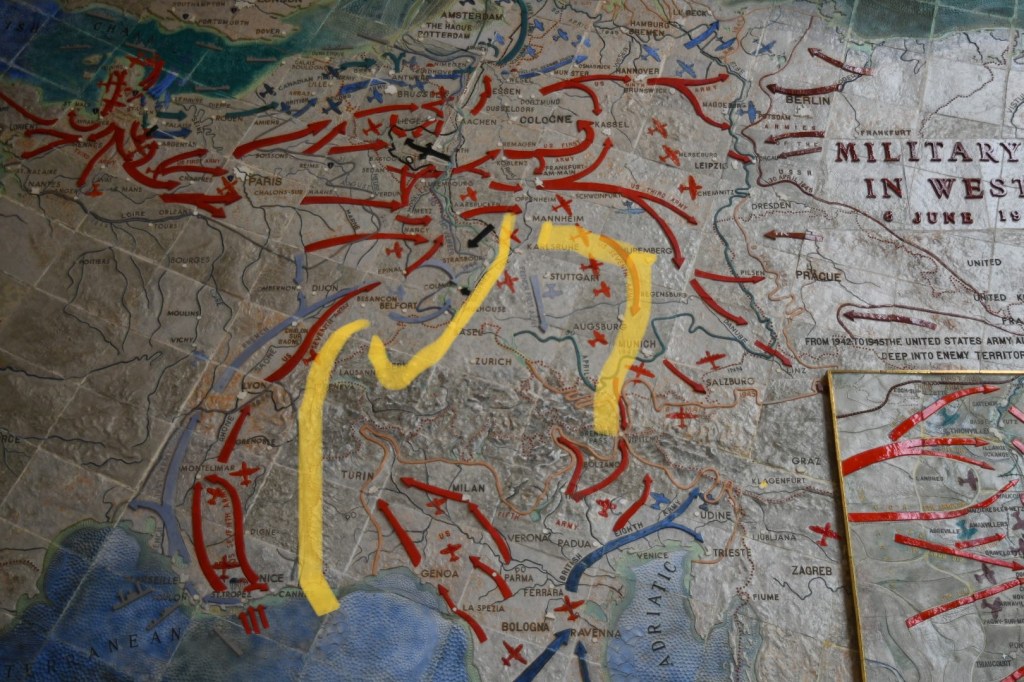
Today I have traveled to Saarbrucken I have crossed the German border (15 miles from my BnB) for internet service and a step back from a very emotional day traveling the new locations of Dad’s travels in the Moselle region of France- Hundling, Woustviller, Hambach, Guebenhouse- known locations, known patrols and a cemetery that included his less fortunate comrades in arms- 10,000 of them.
And the Medal of Honor recipients’ crosses- each a story worth hearing:


September 18, 2022
So I’ve left Folkling further informed and reasonably rested. Made a stop in on the Franco German border along the Saar River. The area remained an important stretch west to east protecting the Allied Main line of Resistance (MLR) with three years of defensive lines as the Herman Wehrmacht prepared its anticipated attacks to regain French territories and drive, particular Patton and the 3rd Army, into defeat.
Headed to Bitche, famous for the combat there and led to a Nazi penetration but a successful defense by the Allies and then to Ingwiller.
I’ve covered over 1000 miles and lining up my sixth lodging experience tonight. Challenges so far have included gas, toll booths, internet access and of course, my French! Last BnB erred w my reservation re private bath. As I left today after my three stay, proprietor Raphael discounted my charge, gave me a bottle of Moselle Region wine and offered genuine apology. Shared bathrooms a floor below is less than ideal for 71 year old men who require relief multiple times in the middle of the night!! Onward.
Final reflection. The magnificence of the Lorraine American Cemetery magnified for me how fortunate Dad was, along with many others, to have simply survived. No reason but luck and good fortune. Always remember Dad saying “better to be a live coward then a dead hero” The line always disturbed me as I believed it was important to take the lead and take the risk. I concluded today that I better understood where the phrase came from. My sense it was more meant to mean “ be smart – there’s enemy fire out there” There were times to go on the offense but lives could be saved by quietly retreating when you assessed your troops were outnumbered or would cause unnecessary attention. On the other hand, many of these soldiers were simply victims of an engagement
A map depiction of Hitler’s Operation Nordwind which caused the 103d to move into a defensive line near Christmas Day and hold that line through mid- January

Leaving Folkling by 9:39 today allowed me to get to my 30 minute destination in Ingwiller with stops in Sarreguemines. , hopefully a newly discovered perk of free WiFi at a MacDonald’s and a stop in Bitche – a town with great import on the combat effort of the 103d and the direction of the war. Sarreguemines has the Saar River (Canal) run through it. The Saar was an important defense for the Germans and a significant gain when crossed anywhere in its long west- east location for the purpose of this war effort. I then got two hours in a Mickey D’s – free internet and 2 egg McMuffins. The only eggs I’ve had available since arrival. I chose not to microwave the still in shell eggs as part of my Epinal hotel breakfast.
Making the drive to Bitche I came acrossSigns for the Maginot Line. While I planned to see the the Maginot Line at Fort Schoenenberg later in the week, it’s a historical French defense fortification built following World War 1. The underground rail system runs for miles in an east- west line looking into Germany from France and is lined with concrete defense posts with openings big enough for only weapons and viewing.
I got a good flavor of the Simserhof ouvrage and look forward to a fully detailed tour Wednesday I at Schoenenburg. The pics of this sight were a bit chilling


More to come on the Maginot and the Siegfried Lines!
Onto Bitche.
My total focus on Bitche has been its reference as the Bitche Salient. A salient militarily is a bulge in the front line by the enemy. The Bitche Salient was exactly that – a bulge.
The military story:
The Army Front in January
The initial effort of the German counter-offensive against the Seventh Army in January had been launched in the early hours of New Year’s Day in the Sarre Valley and south of Bitche. The Sarre Valley drive was the first to be blunted and then brought to a halt. The enemy’s deepest penetration was made southeast of Bitche. During the month of January the German 36th Infantry Division had been shifted from the Sarreguemines area to the east side of the Bitche salient to add to the striking power of the 6th SS Mountain Division and – the 256th Volks Grenadier Division. The enemy attempted to burst out of the nose of the salient without success. These major drives of operation Nord- wind were countered and shattered by the smooth, rapid reshuffling of tactical reserves. On this sector of the Seventh Army front in the Sarre Valley and the Low Vosges the enemy battered himself to exhaustion. By 20 January the situation was stabilized and the threat of any enemy breakthrough reduced if not eliminated.
Huge outcome. Yet, as I headed down the 12% grade road into Bitch, I was taken by the Citadel of Bitche- an imposing structure action a high hill. I made the walk and hope to revisit this week. The sight of Bitche from the Citadel is below:

The fighting in this area was extreme for a portion of winter
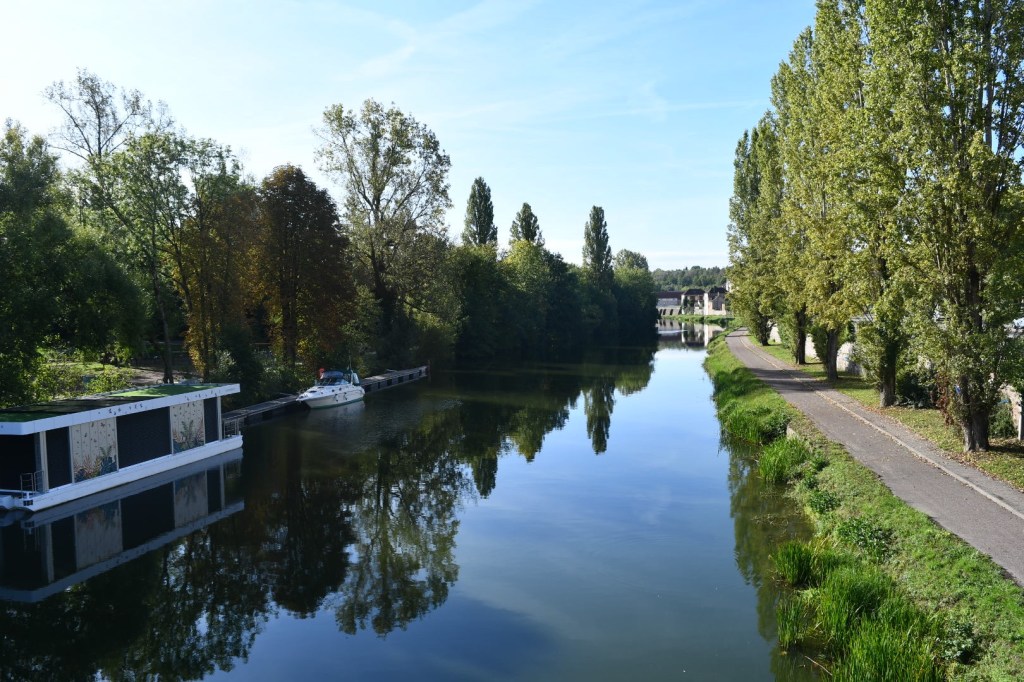
Sarreguemines and the Saar:
September 20, 2022
Made the decision to stay close to Ingwiller given the intense combat focus that occurred in this area from January 20th through the end of the month.
From the Trail of the Cactus (p46):
On January 18, the 410th’s 3rd Battalion took over for the reassigned 2nd Battalion, now supporting the 411th, and took over a defense sector. Per “Plan A, 103rd Operations Instructions, No.52. The 410th was now being withdrawn from the Hundling area. It did so under darkness after dispatching a recon team to survey new positions along the Moder River. 3rd Battalion to Obermodern, the anti- Tank Company to Uttwiller.. the 1st Battalion to Menchoffen.On Jan 22nd at 0015 hrs (that’s 12::15 am) artillery shells were reported in the area of Rothbach. Five rounds of artillery fell in Menchoffen. On the 24th at 0610hrs, the 410th received severe shelling. At 11:45 a battalion of Germans were spotted. Artillery and mortar fire were received. Captured prisoners revealed SST Mountain troops were in the area with three battalions in Rothbach.
“At 0443hrs 25 January“ 3rd Battalion, of which it is clear Dad was now attached, was shelled followed by attack of two enemy tanks. The Main Line of Resistance ( MLR) was broken by the German troops. The SS 6th Division powered its way to Schillersdorf. The 410th tried to counter attack Schillersdorf and block the fall of Menchoffen. The 3rd Battalion struck in Nieffwrn but had to withdraw due to the overwhelming offensive by the SS troops. House to house fighting continued throughout the day. Tanks blasted houses ahead of foot troops who then used bazookas and rifle grenades to blow open the side walls of the homes.
The 410th initiated intense patrolling along the Rothbach River, Nieffern, Muhlhausen, Bischoltz and Uhrwiller.
The German army had driven a ferocious attack on the 103rd Front, specifically the 410th, and failed. The angered Cactus doughs had counterattacked with a vengeance – destroying virtually all enemy forces in a two mile stretch of their frontlines. The Germans failed to cross the Rothbach River and the Seventh Army ( the 103d’s immediate boss) regained control through March 15th- the end of the Winter Guard Campaign.
Dad’s account of the same in his letters of January:
29 January
● A busy week of fighting. “They used my little platoon for so many things it made my head spin. We attacked or rather counter-attacked 9 towns as part of a tank infantry combination which was really something with regimental reserve, French line troops, raiding parties and all in addition to our regular recon work.”
“An exciting week, honey, and I hope we won’t be as busy or as miserable for a long time. It seems the closer the Russians get to the Eastern front, the harder the krauts fight on this front.”
4 February: Alsace with the 7th
“We had, a week or so ago, a strong attack by SS troops who are the pride and joy of the German army. Well they achieved their initial objective which were 3 or 4 small towns in front of our main line of resistance (MLR). After we reorganized we started to work on them. The 7th R (??) plus our recon patrols went out to find out all possible information about them and in general set them up for raids and counterattacks. We let them sit in the towns for a day or so and then we started the softening up process.
“First, day after day of artillery without letup and that includes the nites. Then the raids started. A simultaneous concentration (artillery) on all 4 towns and raid one. Next nite the same thing and raid another and so on until they are all punchy. By raids I mean anywhere from a whole squad to a whole battalion. And with excellent results. Finally from prisoners we kept getting we learned that they sent other units in to help the SS troops and the SS were told to stay in the houses during the daytime and not show their faces.
“These other ?? kept surrendering even when we didn’t go after them. They kept deserting to our lines. Each time we would make a raid and capture more prisoners they would holler “Nicht SS! Nicht SS!” They seemed to believe we had a special grudge against the SS troops. Anyway we have quite a reputation with the krauts and have had for some time. We are unorthodox as hell according to the krauts and they don’t know what to expect. Each time we do something different it pays off. The prisoners say we didn’t play fair. We should either be on the offense or the defense but not both.”
Dad’s version of events certainly seem to align with the historical accounts
From the National Archives:

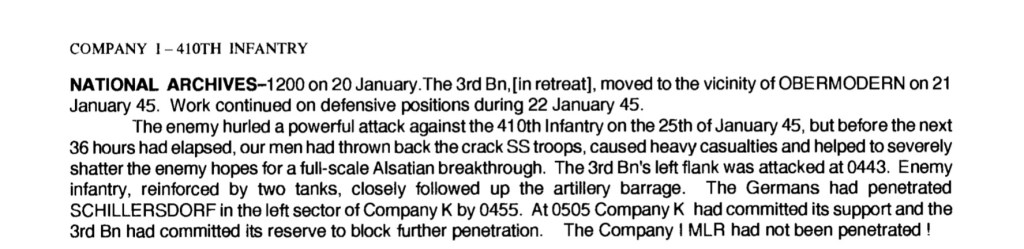
A find early on in this process was the library at The University of Southern Mississippi. Declassified radio transmissions for everyday of combat- by regiment and battalion. I’ve included several below reflective of this time that further enhances the the story with real time accounts:
January 19 (27 years before brother Rob’s birthday):
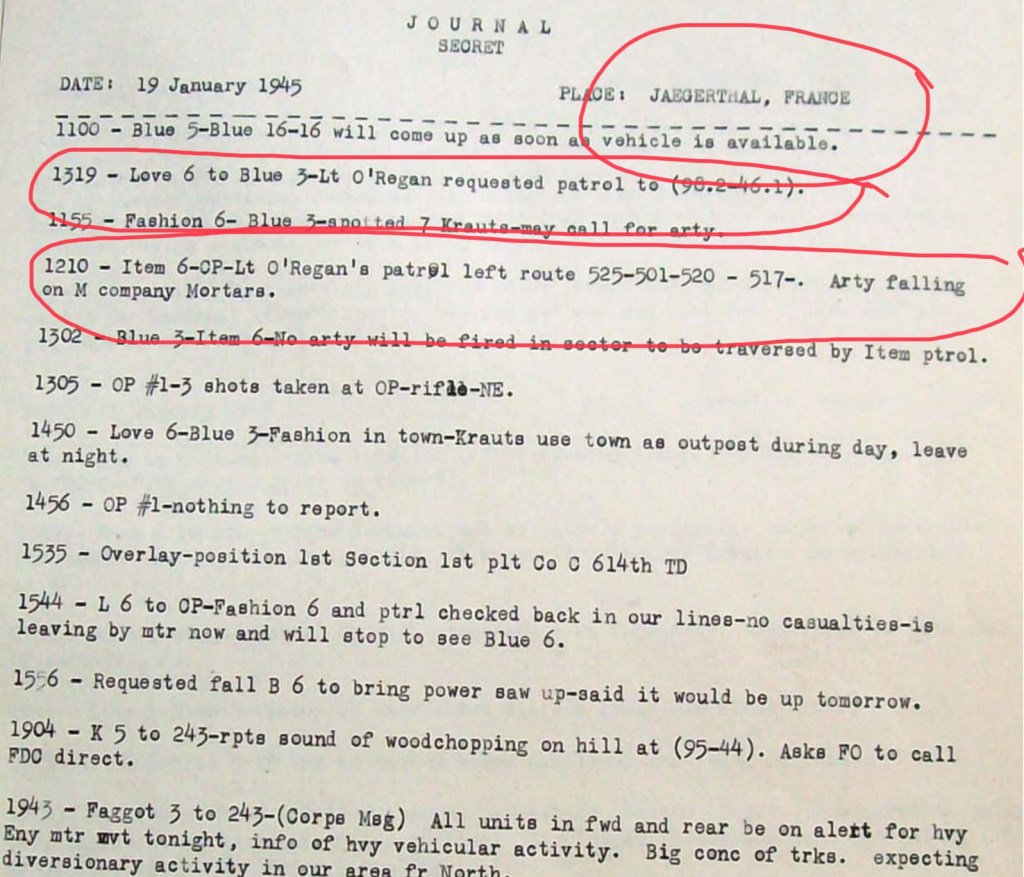
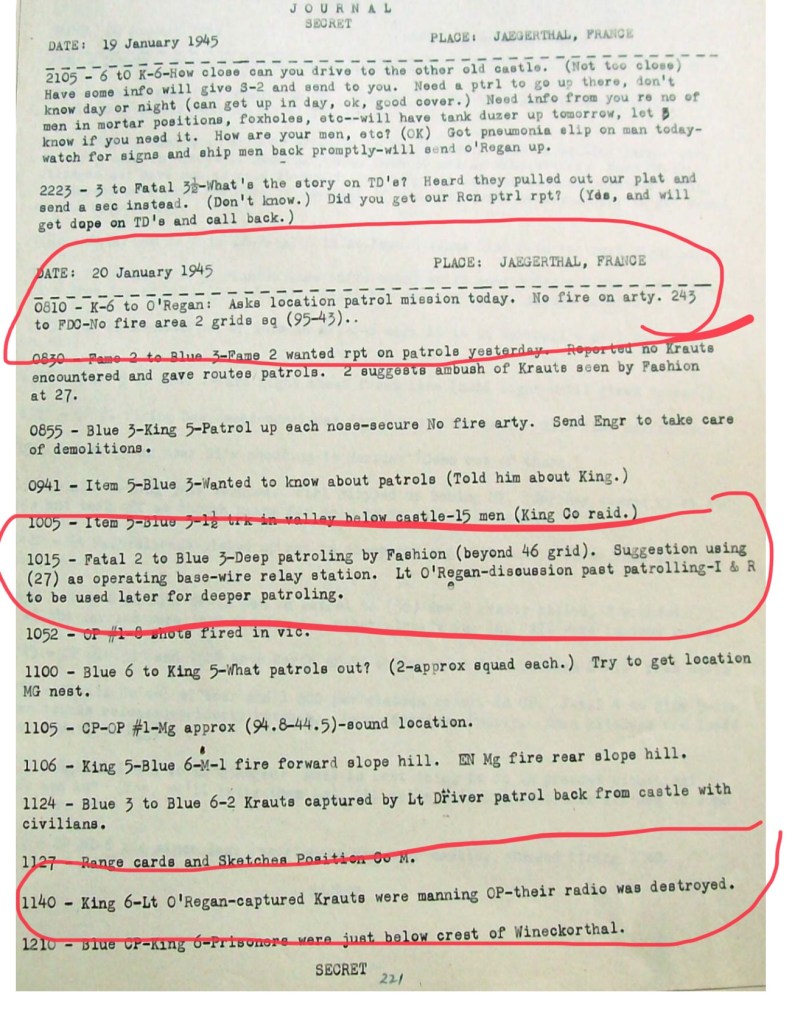
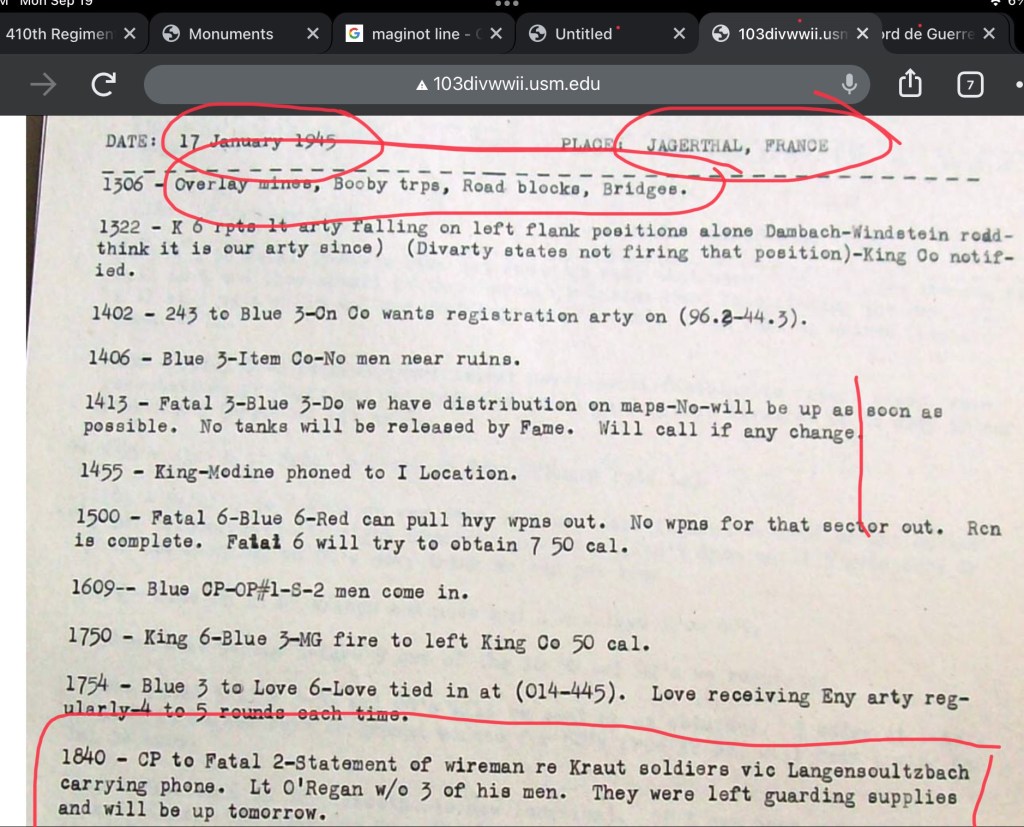
Overlay mines and booby traps!
So I’ll end this morning’s post with some pics you can choose to view. For me, traversing these small communes as they are known – with populations from 250 to 1600 but most around 500 people – has allowed me to experience the research in such a more compelling way. Besides wondering what homes had been restored, what homes may have been slept in; seeing the omnipresent monument in each village mostly labeled “A Nos Morts” “To Our Dead” with the names of French soldiers and citizens who gave their lives during TWO World Wars separated by only 20 years; seeing the names of towns and rivers that Dad was a part of during extreme weather conditions of the January’45 winter; and seeing the combat landscape and terrain which left them exposed from a hidden enemy while under artillery fire.
Only to survive.
The pictures:
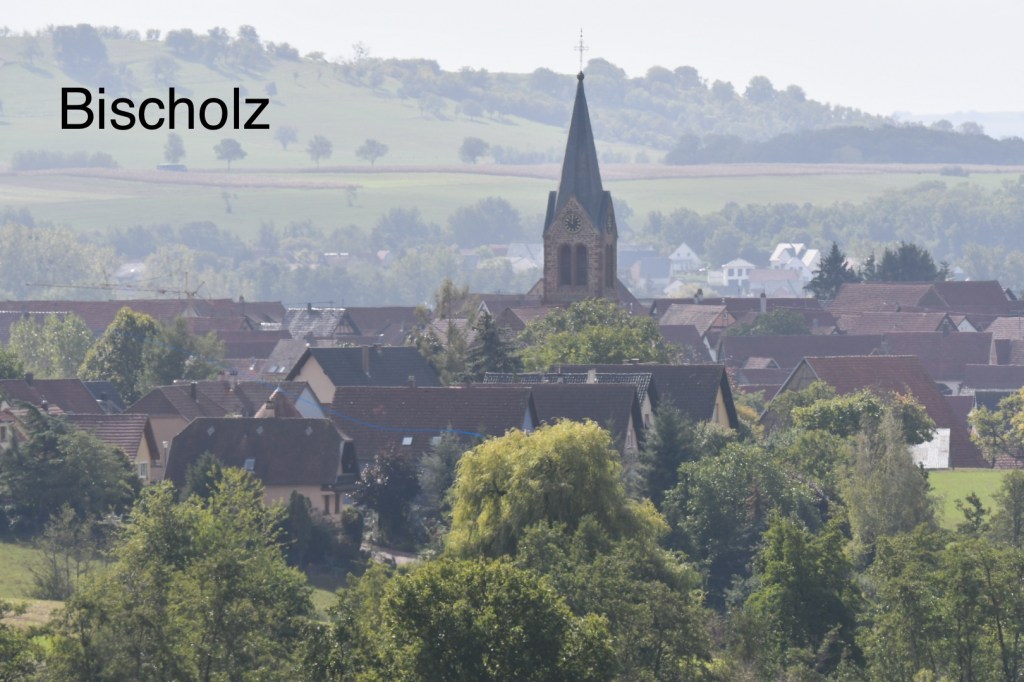

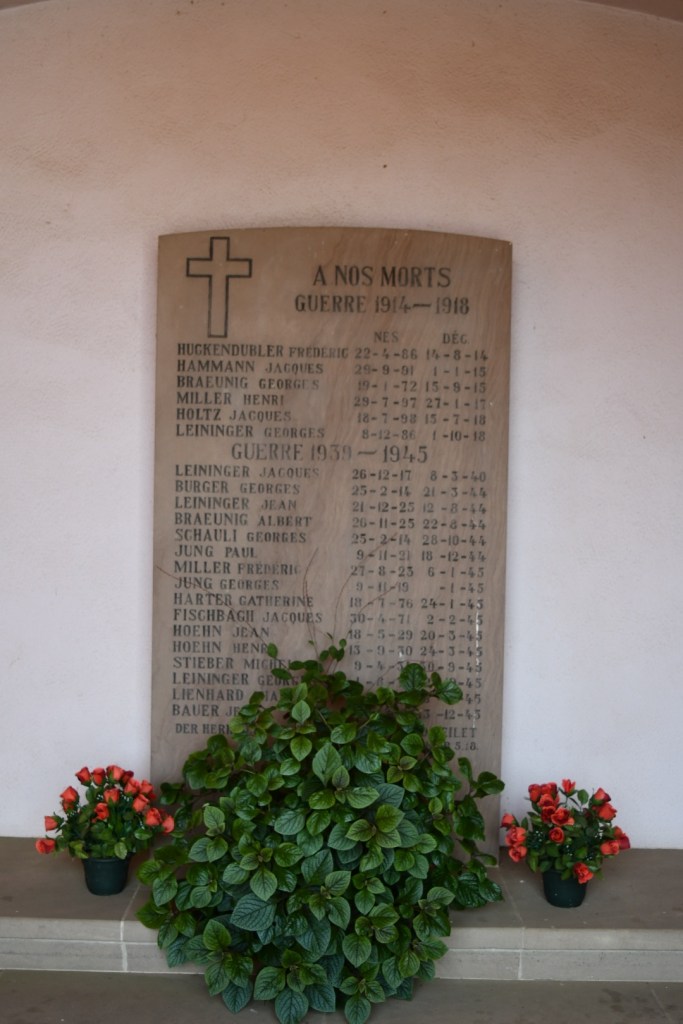
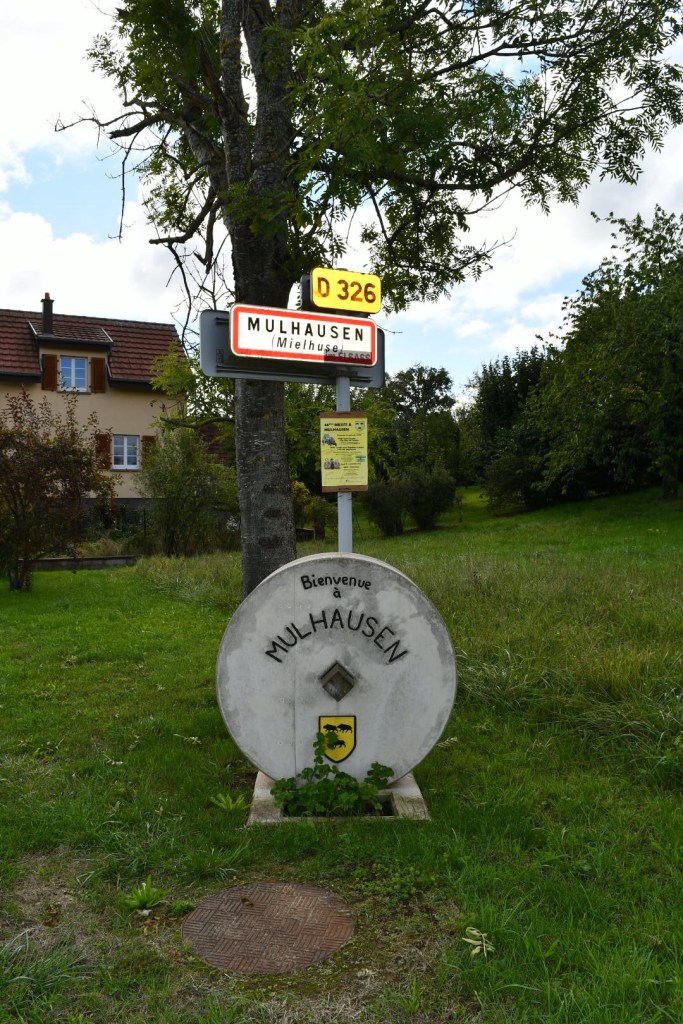
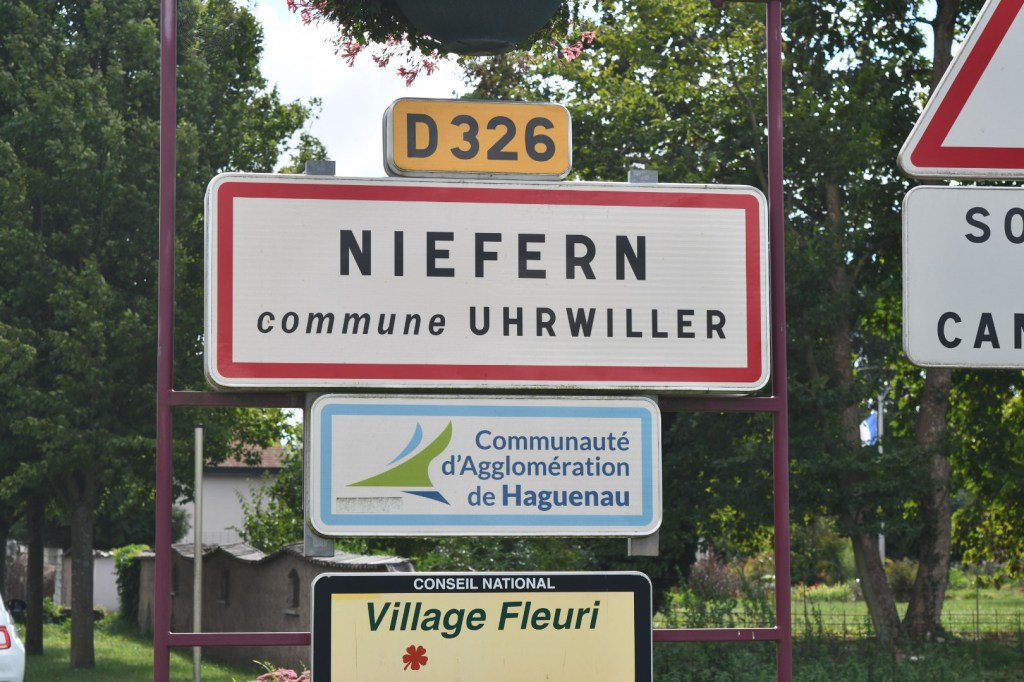
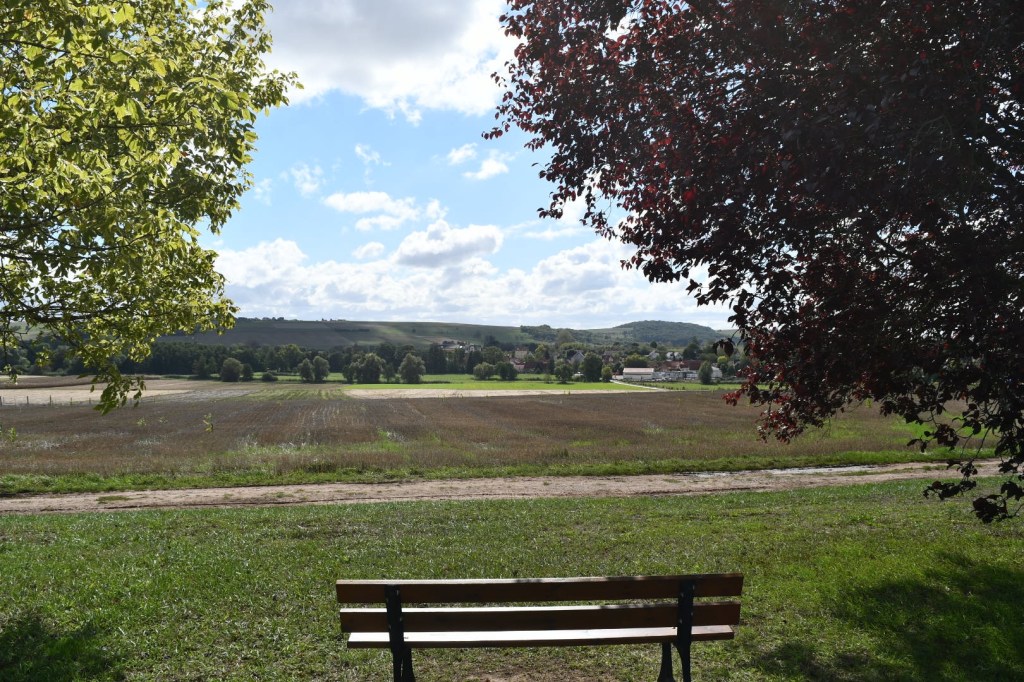

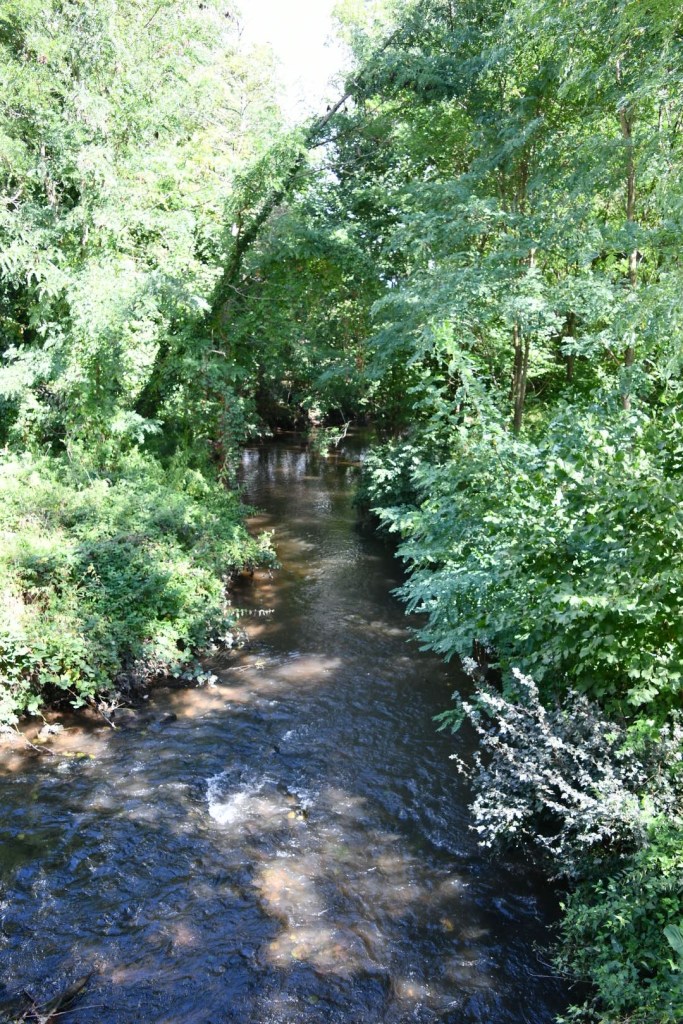
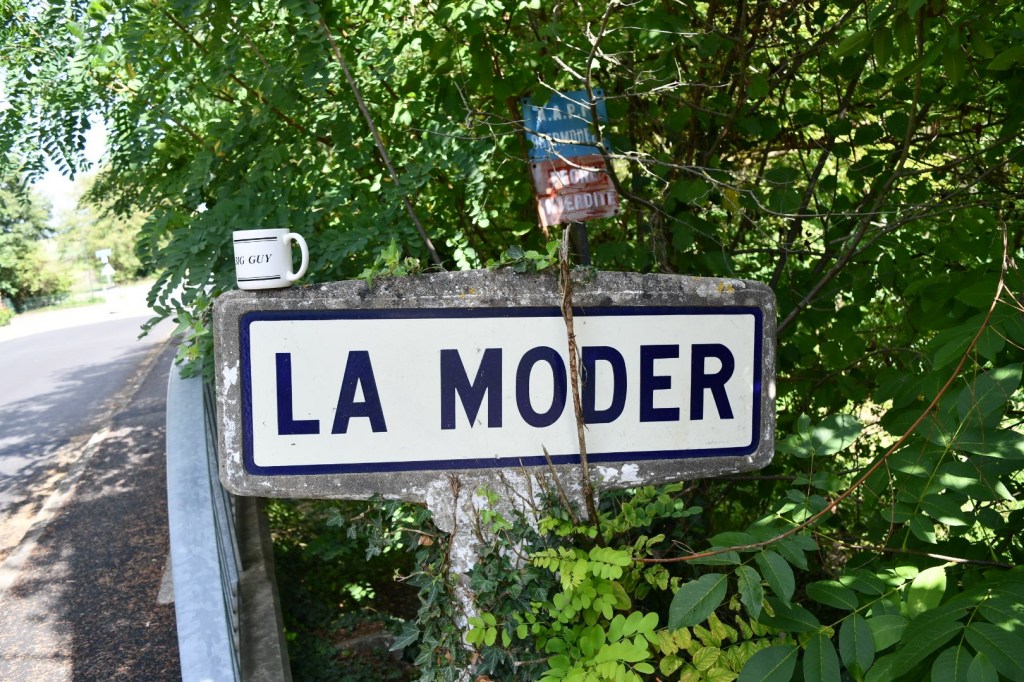


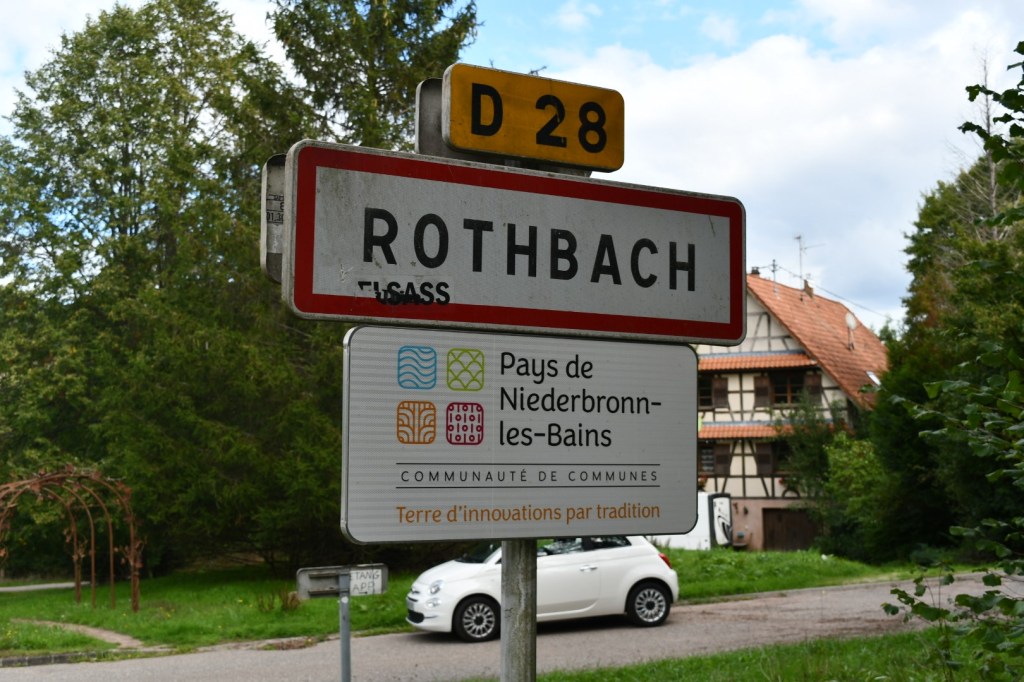
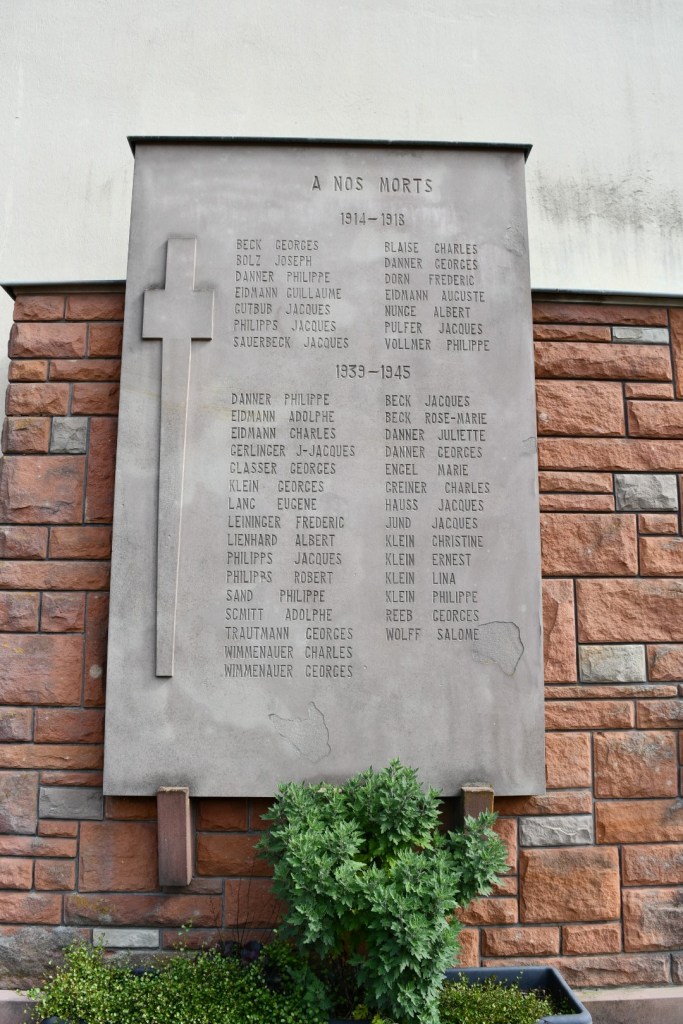
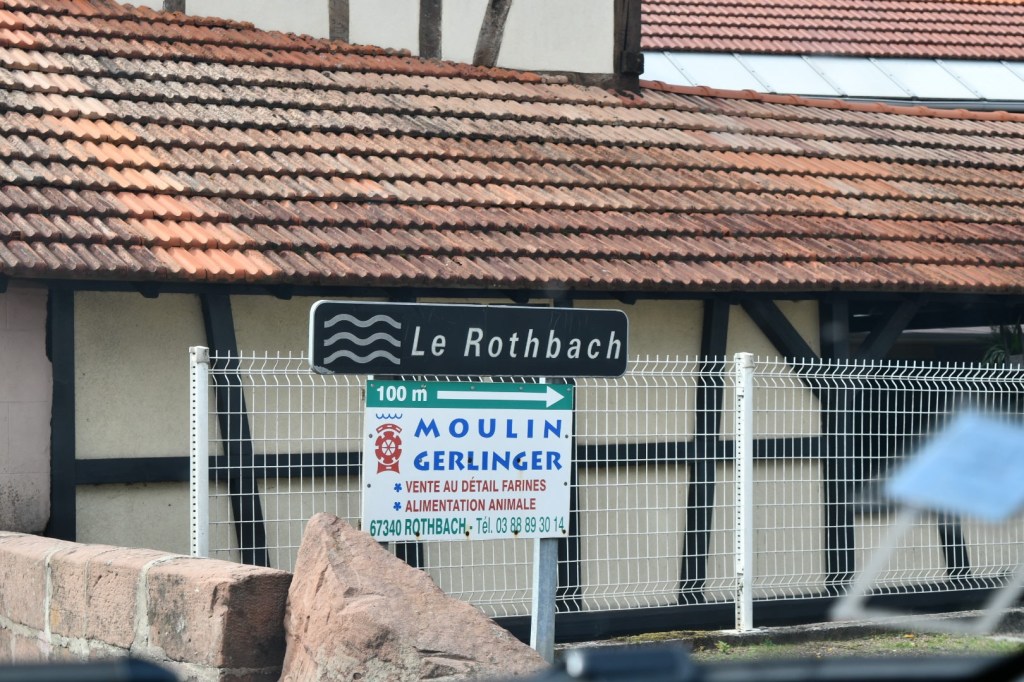
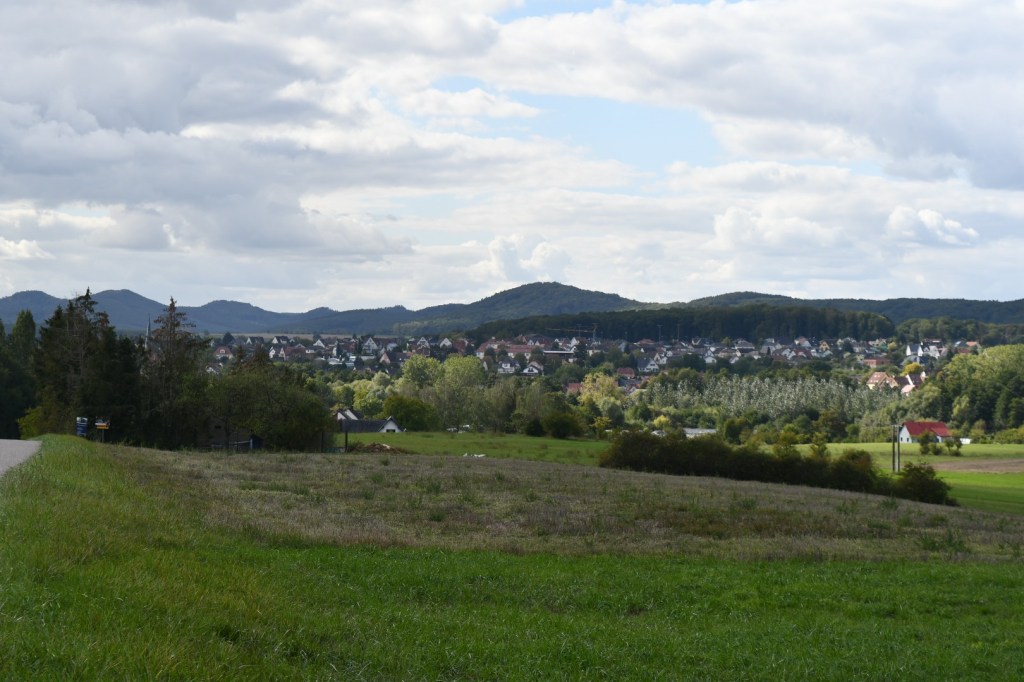

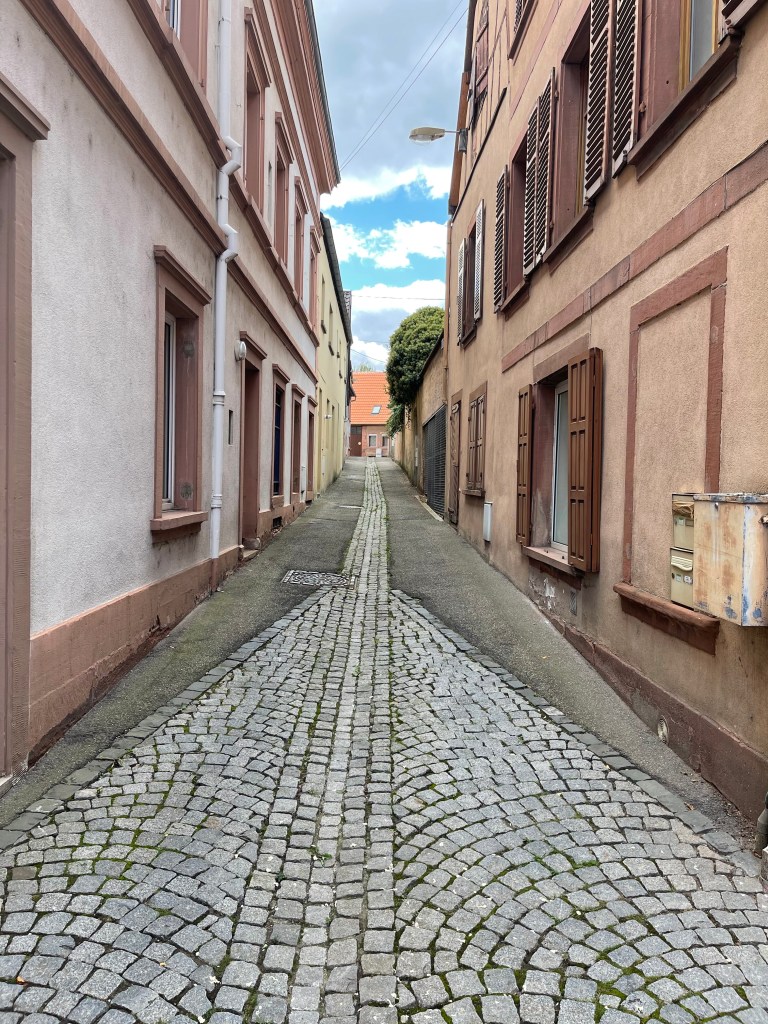
Wednesday, September 21 Lembach, France
My BnB
Off to two of the Maginot Forts – Fort Schoenenburg and a new discovery of Fortress Four- a-Chaux which happens to be 900 ft from my BnB. Unexpectedly this will be three locations I’ll have visited since I did a pullover at Fort du Simserhof on Sunday. Looking forward to the interior tours.
These two defense structures were an amazing engineering feat. The concrete and metal fortifications are two of the 108 structures along the northern France border to from Dunkirk to an area in the southeast corner near the Mediterranean Sea. Constructed post WWI in the 30’s as a defensive border from future invasions, were armed throughout with heavy artillery and formidable weapons. The Four a Chaux housed 580 men , Fort Schoenberg was a larger fortress.
The history behind these structures and their success is extensive and for another time. At 98 feet below surface I walked tunnels that were as long as a mile accommodating rail cars that moved equipment and supplies throughout the structure.
I hope the pictures can convey some sense of a pretty unique day spent bath the two fortifications
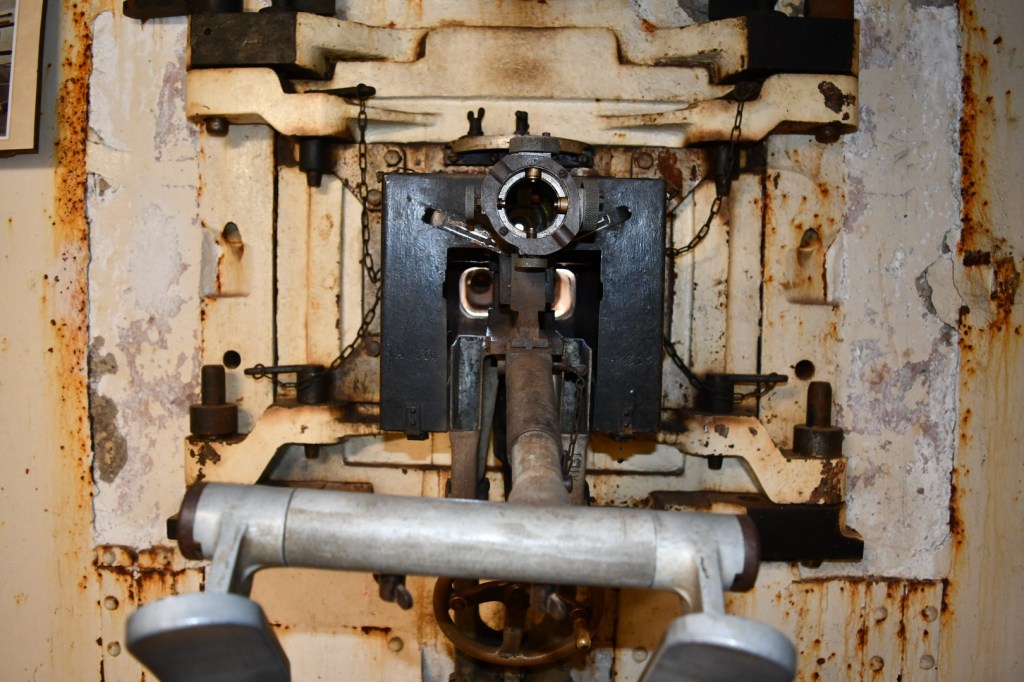
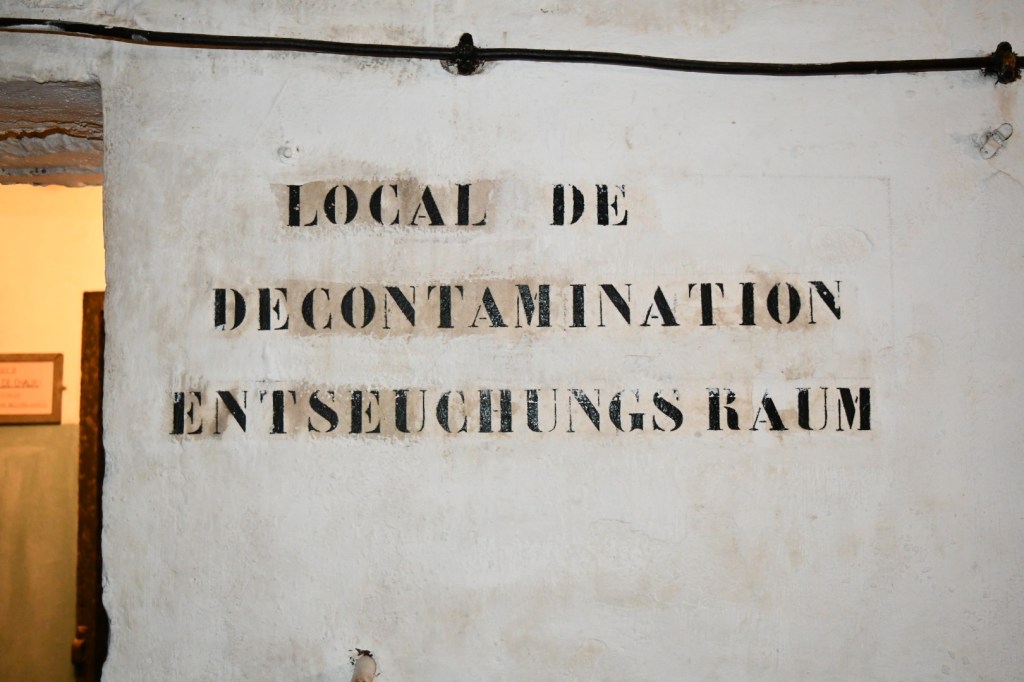


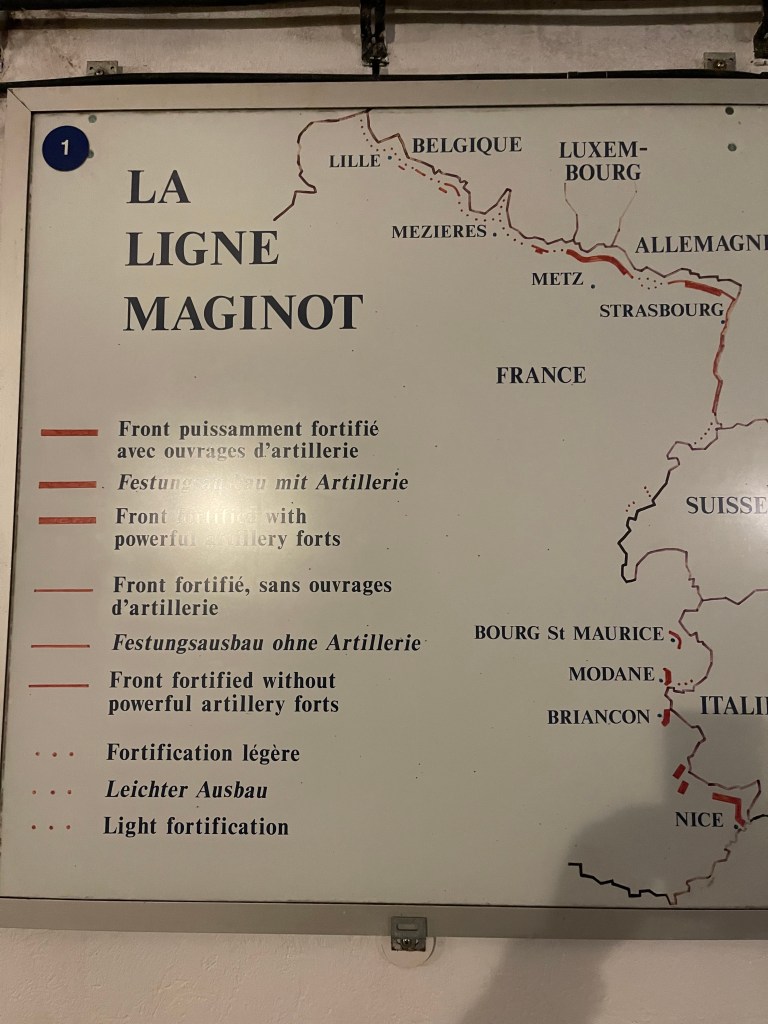


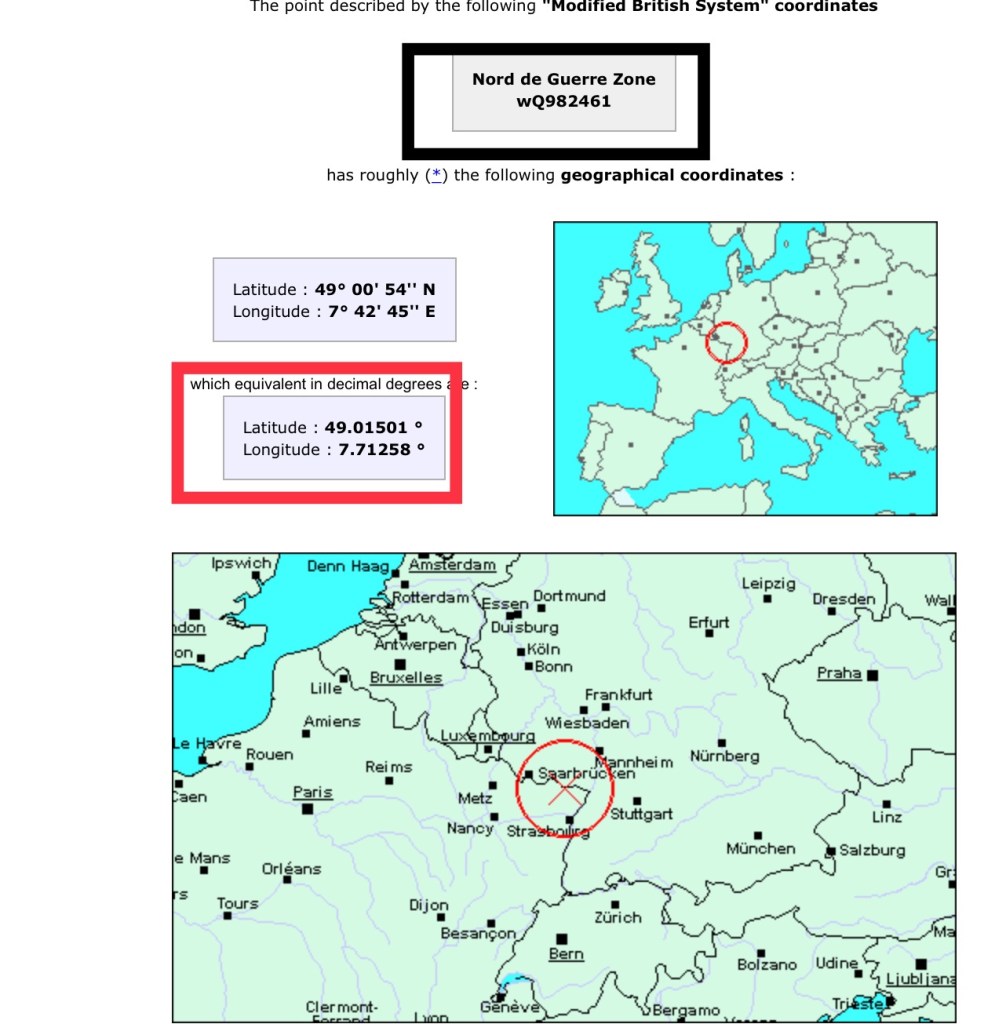
And here’s a fun one for me. One of my discoveries of note during my research was the conversion of communicated location coordinates to longitude and latitude coordinates for the purpose of finding the exact location of Dad’s whereabouts. I mean EXACTLY. Two places I identified came from the radio transmissions. One was in the Jagenthal area near me now and the other was in Altrip just west of the notable Rhine River. You’ve seen this transmission before so let me walk you the steps to the moon me result:
The coordinates of his intended location were 98.2-46.1. With the help assistance of the Texas Military Forces Museum and after nearly three years of trying to find the conversion algorithm, I did.
Below reflects the process:
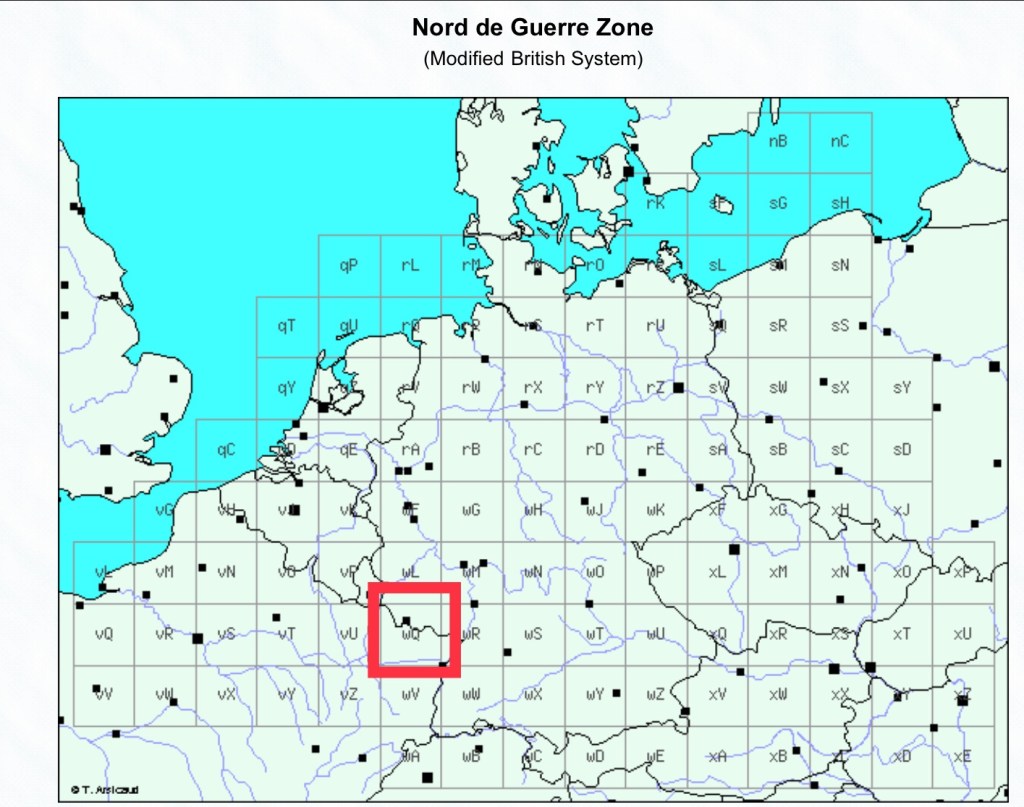

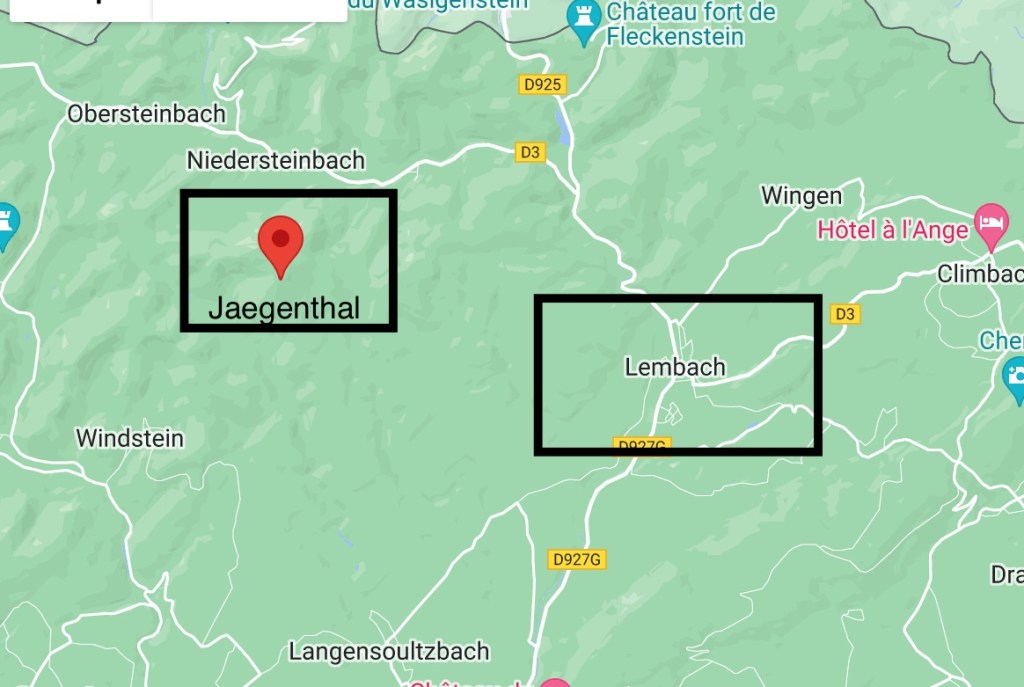
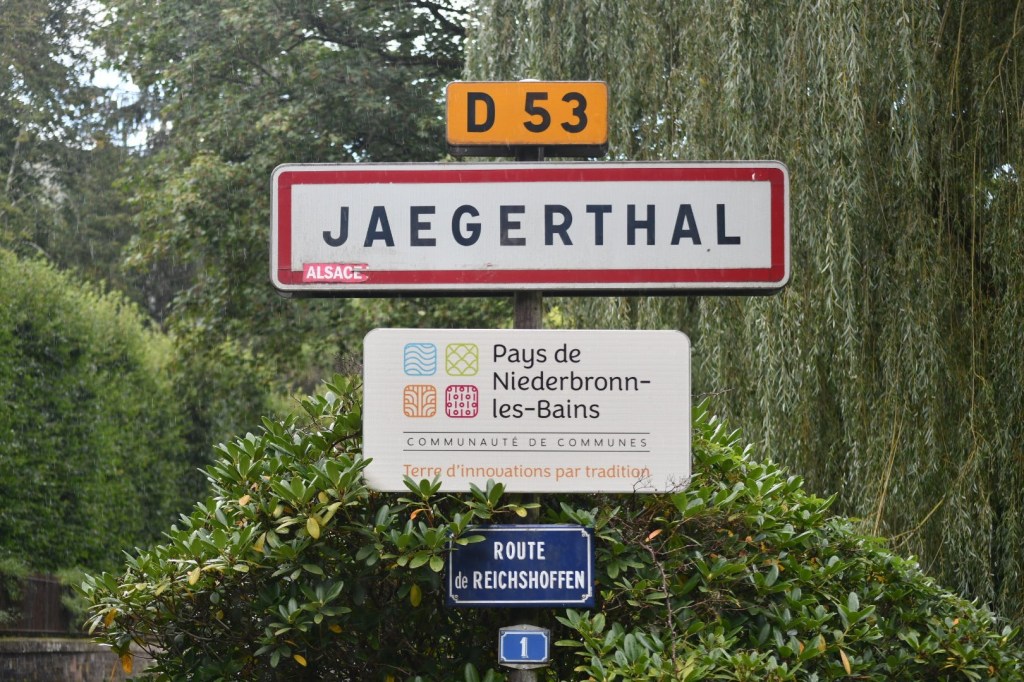
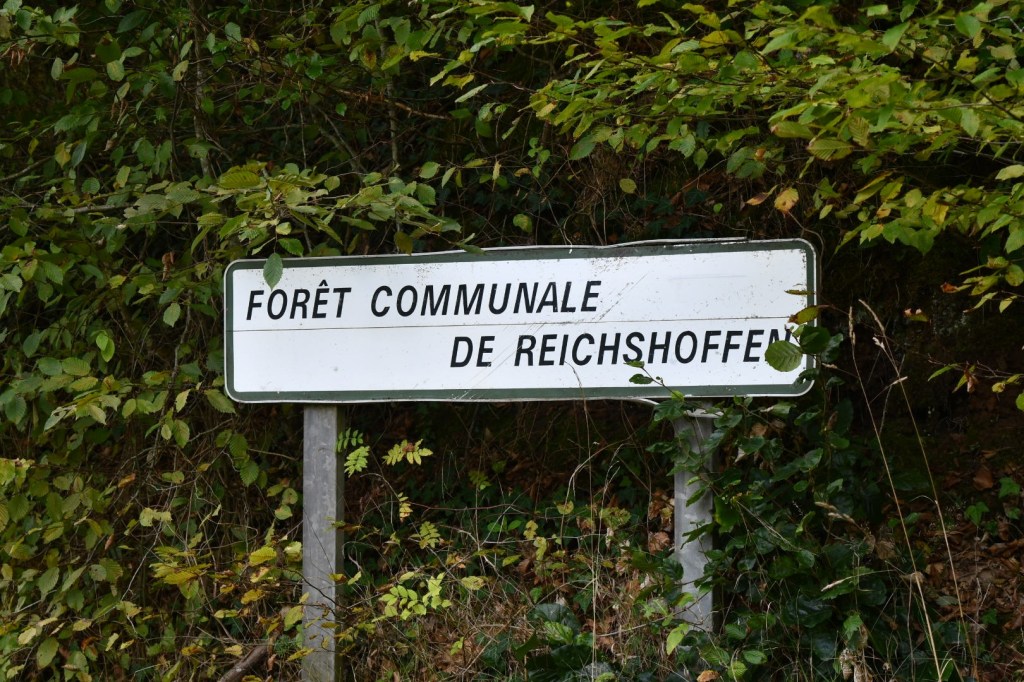
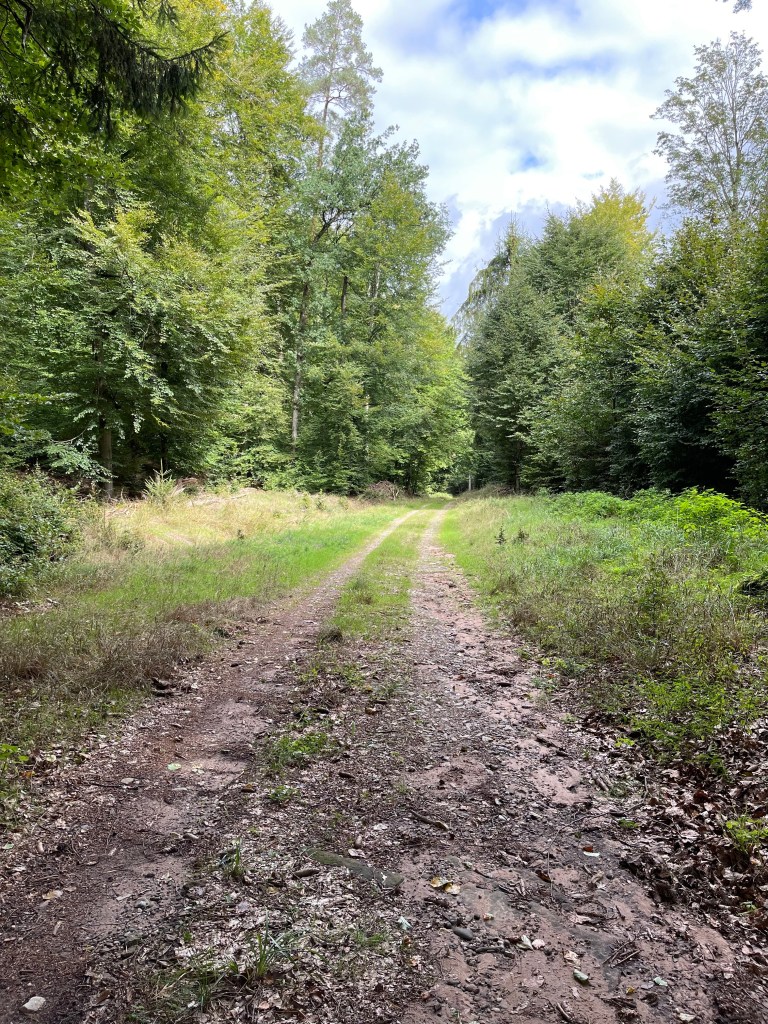
What seemed like the intersection of four community labeled forests, I was instructed by my GPS to park and walk the remaining distance. How elated I was when my traveling companion voice in toned “You have reached your destination”! The Big Guy was here!




Off to explore Wingen, Climbach, the beautiful Wissembourg area. An outstanding area for hikers, bikers, French cuisine and lots of grapes!!
September 24
Yesterday was a full. Before leaving Lembach- an ideal location in terms of the town, surrounding beauty, quiet energy, a gas station, grocery store, a post office and, of course a patisserie for a banquette sandwich and a morning pastry!
with its initial offensive campaign, southwest to help defend Pattons Third Army and back northeast to once again defend and then attack towed the German border north and the Rhine River northeast.
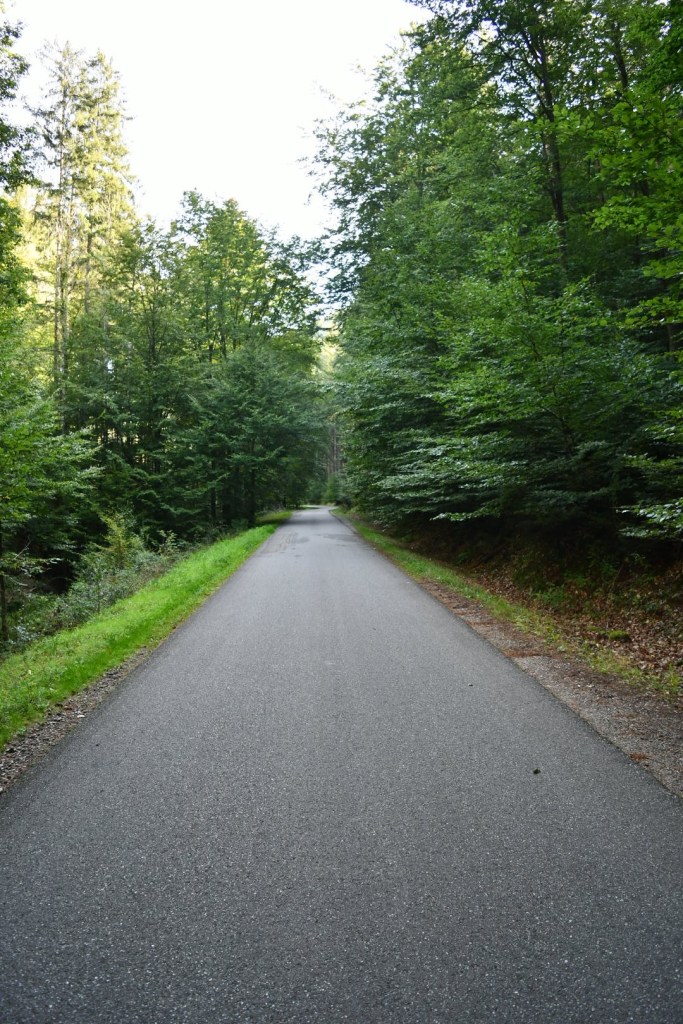
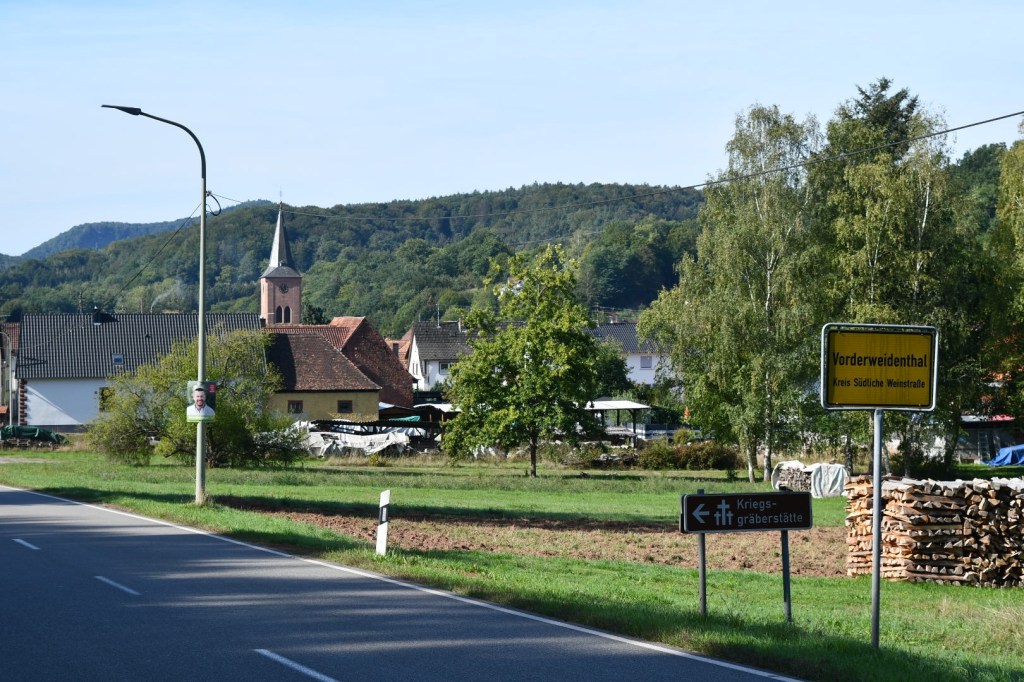
This Northern Vosges Mountain area was curiously a part of the 103d’s first three combat campaigns so my travels reflected some of the back and forth these troops experienced with its initial offensive campaign, southwest to help defend Pattons Third Army and back northeast to once again defend and then attack towed the German border north and the Rhine River northeast. My last day in France took me deep into the mid March, 1945 time of year- northeast and deep into the Alsace. region. These mountains roads were rugged, high, narrow passageways sometimes dark from the trees and other times filled with sprays of sunlight. But this was a final push for the troops and a very successful one. I travelled through the towns Dad referenced without naming in his letter – Niedersteinbach, Erlenbach, Vorderweidenthal Silz,Völkersweiler Gossersweiler, Stein – all separated by only a few kilometers in a string of communities. Dad’s letter:
20 March
● 130 days on the line since entering combat (he comments that most units are relieved after 100 days)
25 March: Germany
● “We are at the Rhine all along the entire front and that just about fulfills Eisenhower’s promise. Dearest one, you never saw anything like it in your life. Once we broke through the Siegfried line it was just a regular rat race. We were on the jerries before they even knew we were within 50 miles of them. Perhaps not so many miles but you get the idea. We just captured thousands and thousands of them. It was a superb strategical setup. Whoever was responsible for planning it deserves and awful lot of credit. Someday I’ll tell you all about it.
● “My platoon itself captured 2 towns yesterday. We were about 15 miles in front of the regiment going like a bat out of hell. You never saw so many white flags in your life being waved by soldiers and civilians. We passed over 100 krauts trying to surrender but we didn’t have time to stop and pick them up. The boys got more of a kick out of yesterday than any day since we’ve been in action. Wish I could tell you where I am but I was the first man in the regiment to see the Rhine River. And possibly in the division.
● “Please God, my darling, that we get across the Rhine without any trouble. Although I don’t anticipate too much trouble.”
Some pics


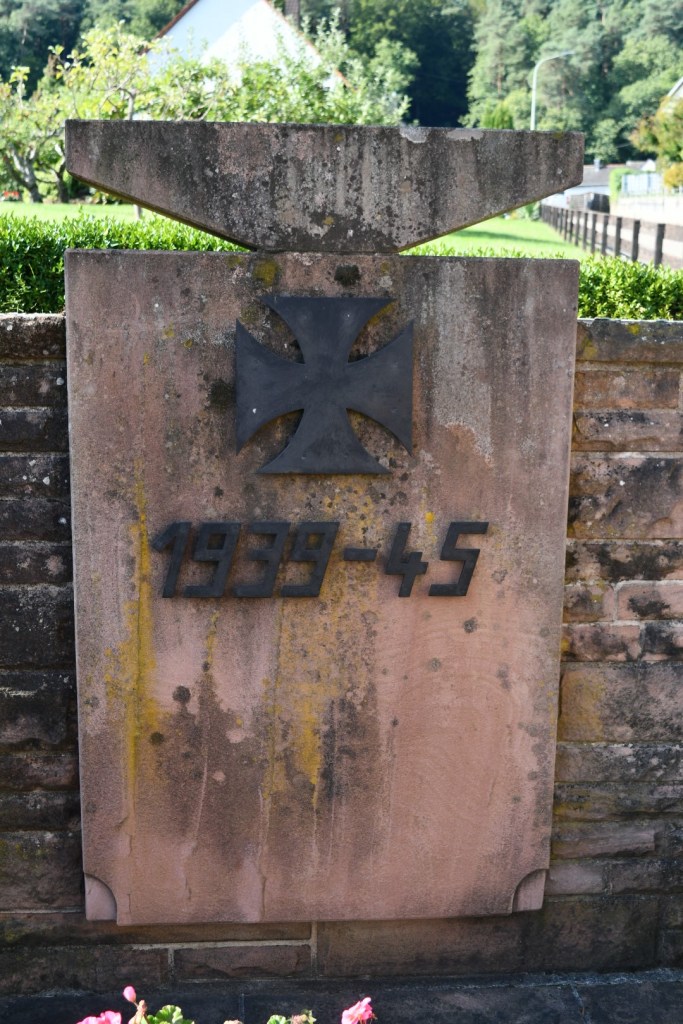
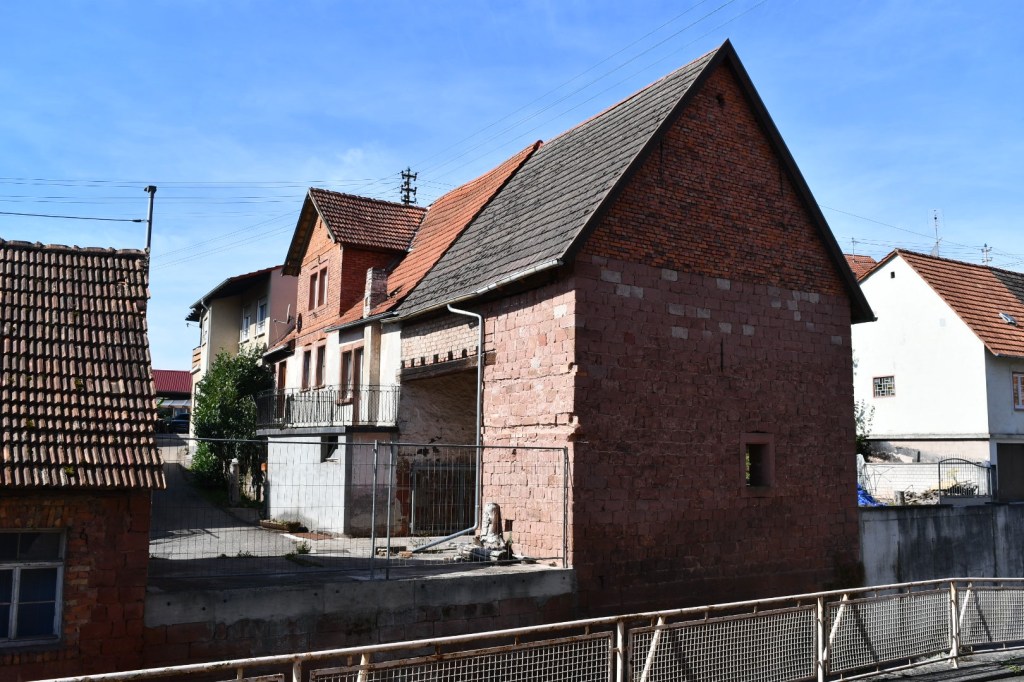
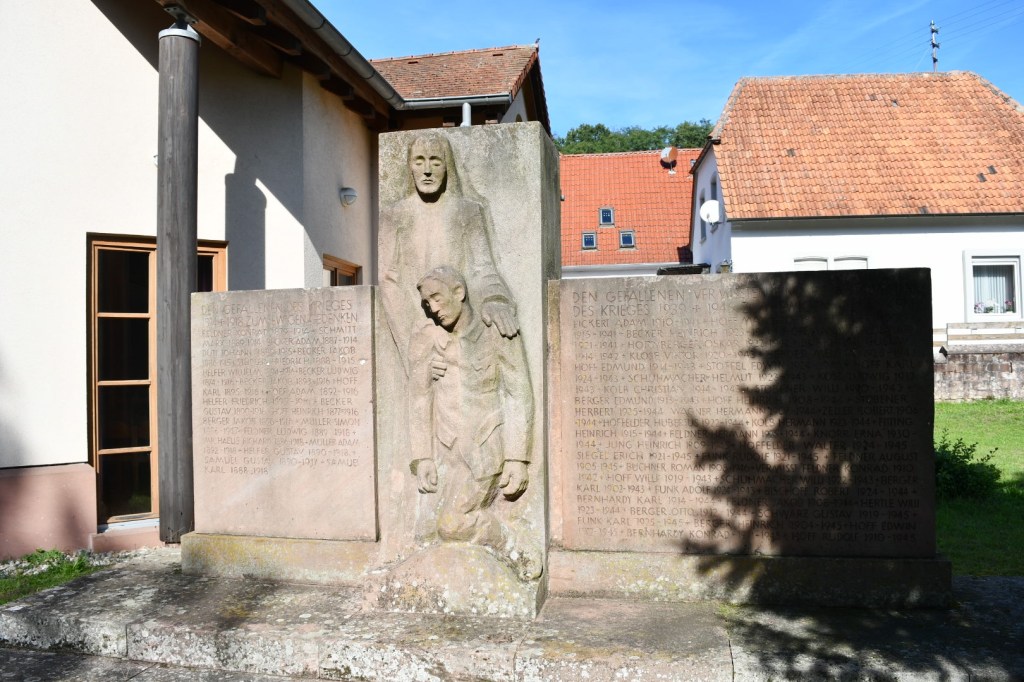
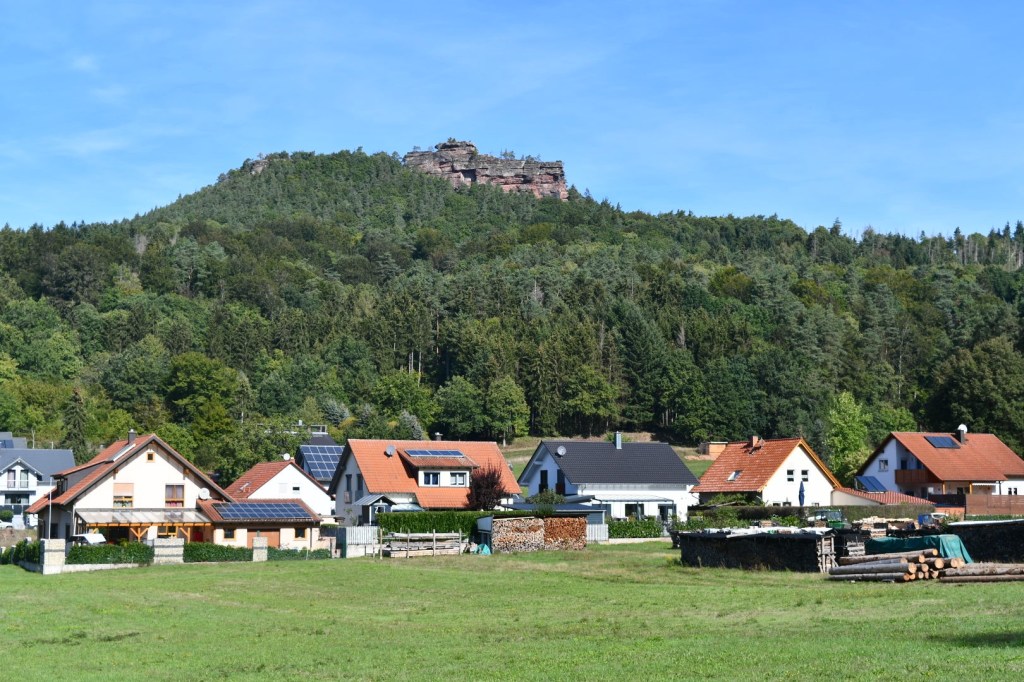
And from The Trail of The Cactus, an account of the same:
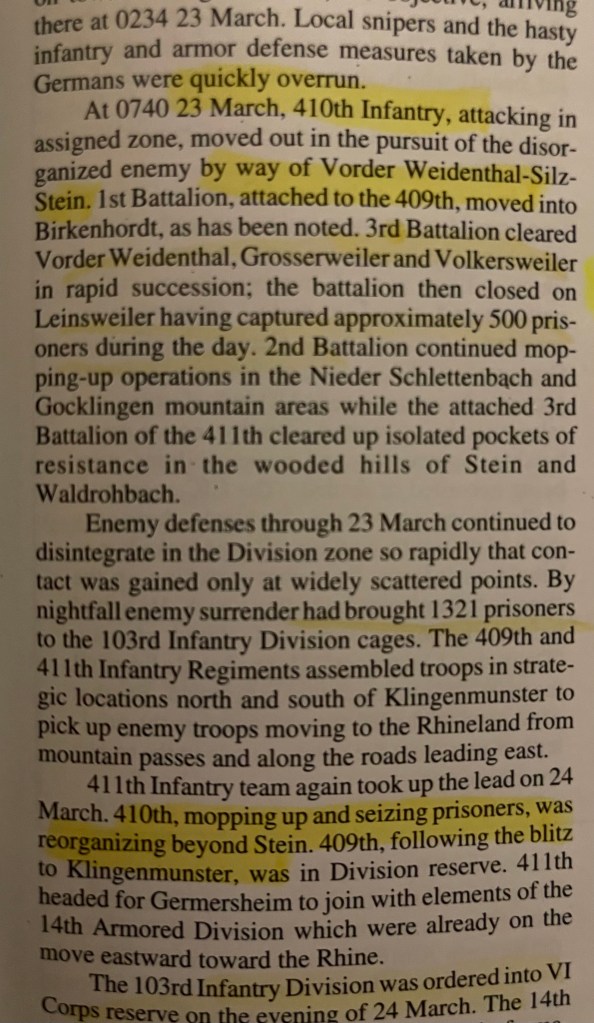
And from the National Archives a mention of Erlenbach:
Upon entering Germany and knowing Dad’s footsteps had preceded mine with far greater exhilaration knowing what his comrades in arms were accomplishing. But exhilarated I was as I neared my primary goal of the trip- Altrip, Germany and the story of Dad crossing the Rhine with his Intelligence and Reconnaissance Platoon in the dead of night to assess the enemy situation before the 103d attempted to cross over to the eastern bank of the strong current and cold river

After crossing into Germany I head to Altrip. This stop had become the target of my trip. I had Dad’s detail of his story, had documentation from the 410th Narrative of Operations for the month, radio transmission communications with the exact coordinates of where the I&R platoon departed and landed as seven men crossed the Rhine as Dad described best.
30 March: Good Friday
● “This is the letter I didn’t believe I’d be writing for a while but the good Lord was with me and so as you see, sweets, here I am safe and sound.
● “Well baby, your husband was the first man in the 103rd Div to set foot on the other side of the Rhine River. We (7 from the ?? and 2 engineers) crossed last nite in an assault boat for a patrol to try and contact the enemy or to see if they had pulled out. To be brief about it, they had pulled out. Here the river is about 150 yards straight across but with the current we must have traveled about 400 yards. To say we sweated it out is putting it mildly. And all I can say is that we were very, very lucky.
● “You should have seen us getting ready for the crossing. We never even had a chance to make a daylight reconnaissance, but worked strictly from maps and from what we could see when we got down to the riverbank. First of all we blacked our faces, stripped down so as to make ourselves as light as possible in case we had to swim for it. I took off everything except the clothes I had to wear and kept my little missal and my carbine. We even took the laces off of our shoes to be able to kick them off in a hurry.
● “We got down to the riverbank about 0100 and placed 2 50-cal M6’s and a BAR to cover our crossing, carried a telephone which was attached to another one on the shore and played out our line as we went. Well we made it okay except for the suspense.
● “When we hit the other shore 3 of us went up to reconnoiter on back in the woods while the rest stayed in the boat. You should have seen the entrenchments. God help us if there had been any krauts sitting in them as we know there had been the nite before. We got back about 0330, tired, wet and definitely relieved. I hope, my darling, that I don’t have to make any more crossings like that.
● “I think that the boys should get some sort of a write-up for being the first in the whole division to cross.”
Proud, relieved and certainly expressing the stress with the darkness, the River and the unknown in a context of an enemy presence the night before. This was the ultimate discovery for me – to stand on the Rhine Riverbank knowing there was indisputable evidence of his location- on both sides of the river. The documents below, a Google Earth map created to illustrate and pics of the day.

The radio transmission:

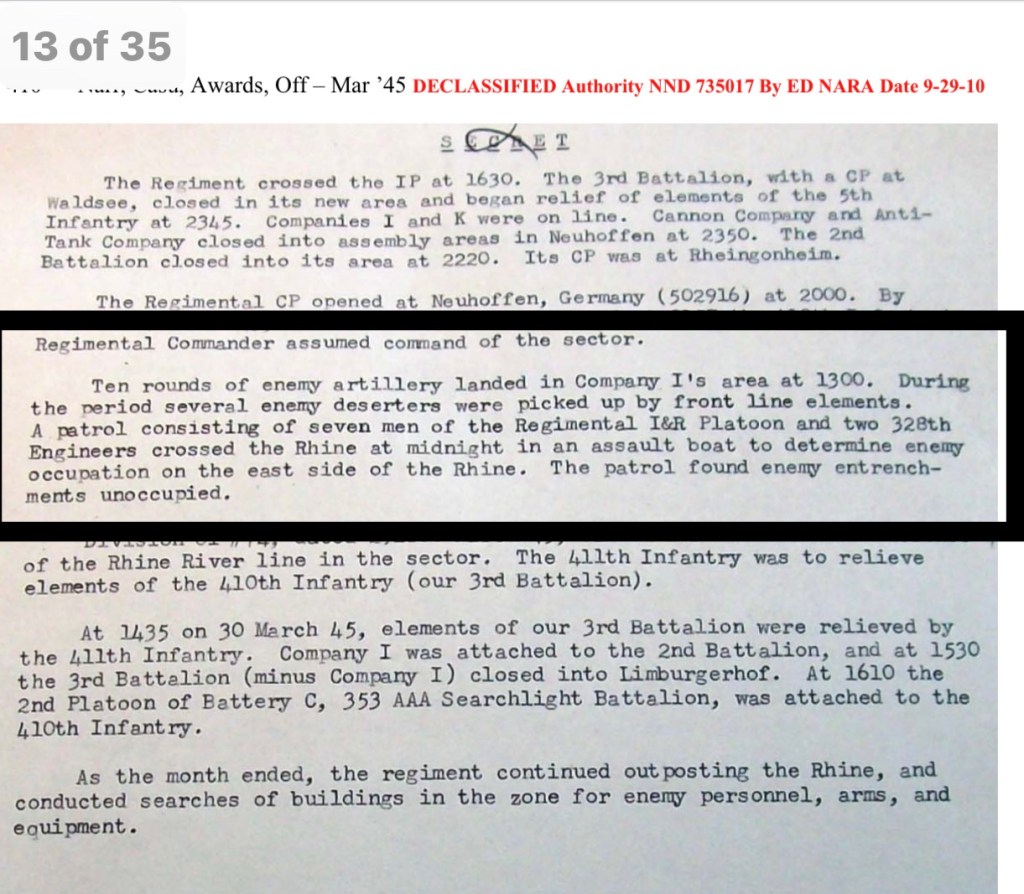
A pic of a similar assault boat

My best effort to display the path of the crossing

based on the converted coordinates
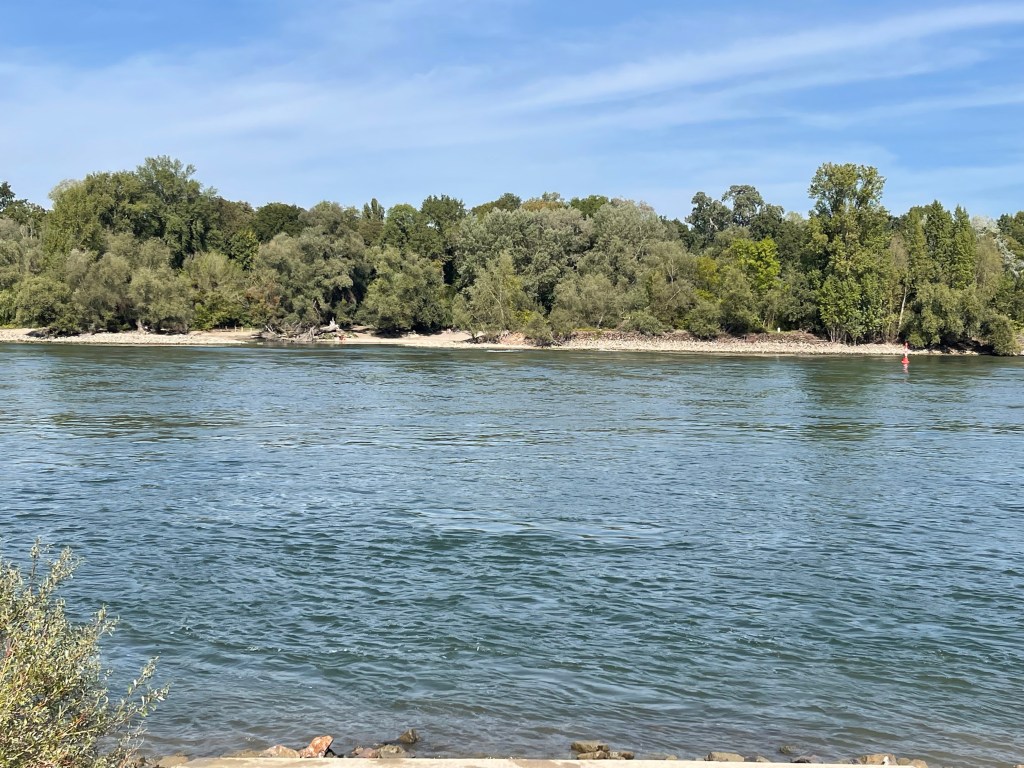
So my anticipation as I approached Altrip was high. I had checked w the restaurant owner the prior evening to visit the property. With a green light, I drove onto the property, went a few 100 yards down the road and found a set of wide stairs leading to the a full view of the Rhine River and the opposing shore.
I sat on the wide concrete steps, basking in the near 70 degree temps and a blue sky and let the emotions be free. Nearly 80 years later I’m looking at the same shorelines my Father observed after over 130 days of infantry frontline combat. Five years of research and planning and I had arrived at the one place I knew was likely a never forgotten memory but a story never told to his family.
The heart had stopped pounding. I sat, I cried. I breathed. Said my thanks for being here.Said my thanks Dad survived not only this crossing but eight months of extensive combat.
And, of course, then I took some pics:

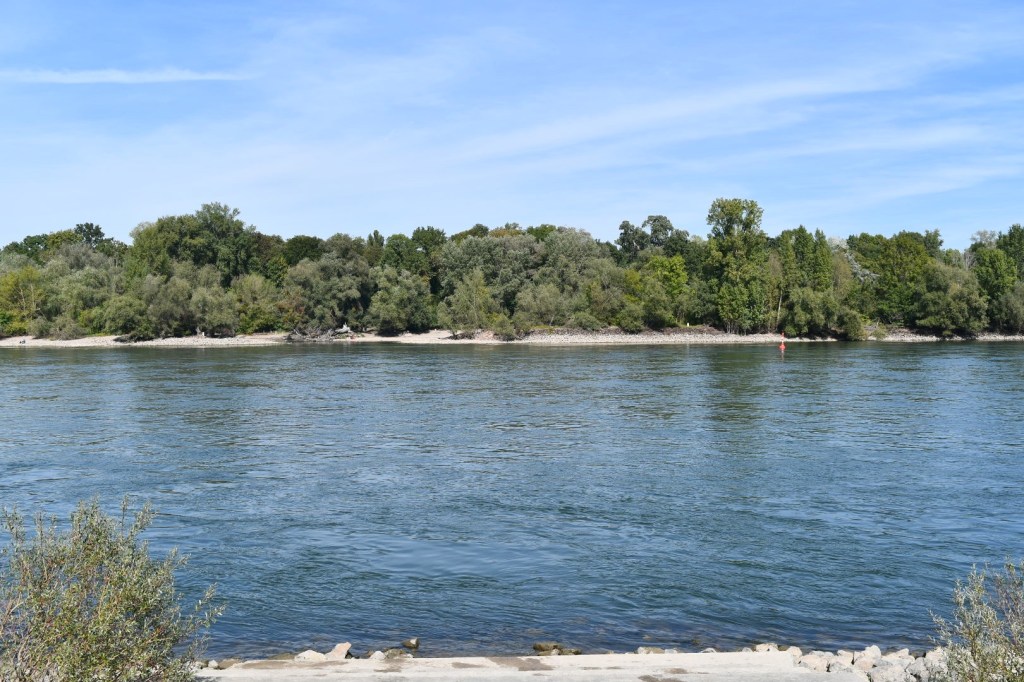

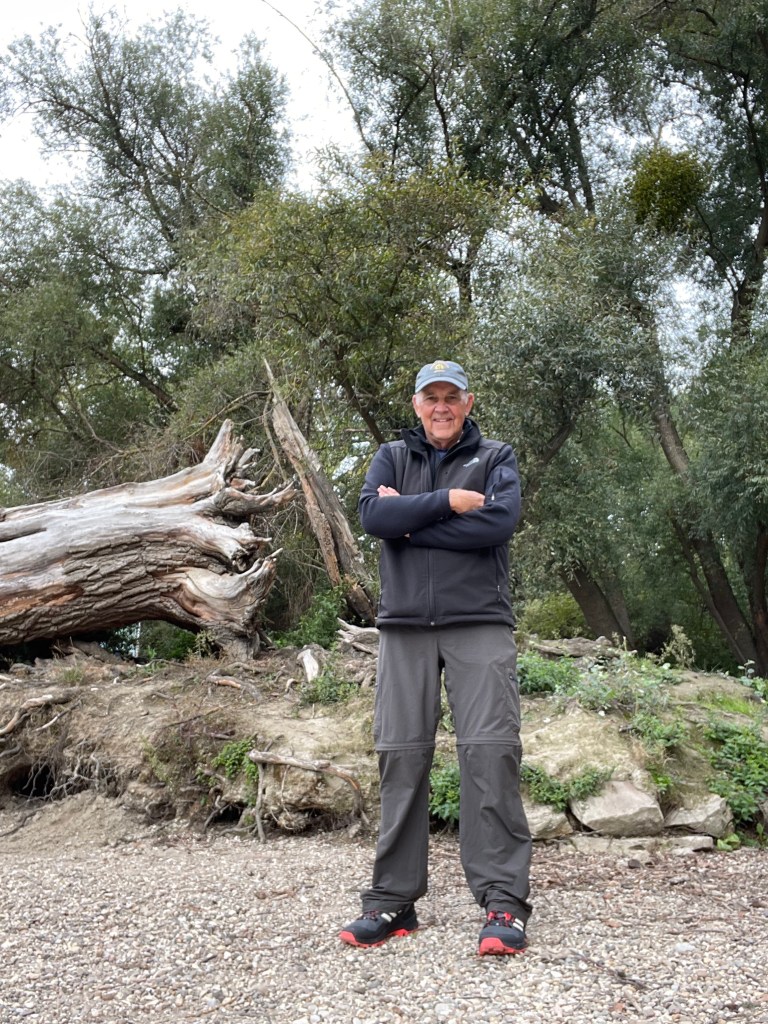


And undocumented is the story about how the cigarette the butts found in the vacated trenches were still warm!
And today marks the Head for the Cure Cancer Walk/Run weekend in Houston, Texas. One of my most favorite people on this earth is niece and God-daughter, Tracey Anne Hilton Schottelkotte, who is celebrating her 20th year of survival from glioblastoma brain cancer. Hers is a different kind of combat and certainly not a script she envisioned for her life. She has a lot of family celebrating with her this weekend. A fan of history, this trip and “Grandpa’s” story has meaning to this first grandchild in the O’Regan family! A shout out to Tracey and a picture of another Tracey Team member

September 26, 2022 Happy Birthday, Sister Moira-
Some context for today… from ToTC):
The 28th of March the 103d Cactus Division officially began the relief of the 71st Division west
of the Rhine to assume occupation duty.
The bitter fight the crossing into national Germany had taken its toll. The dash from
the Siegfried Line (the Siegfried Line was a fortification similar to the Maginot line but German and facing France along the north side of the Franco- Germ border) breakthrough at Reisdorf and Klingenmunster had been triumphant and exhilarating. The 103d Division was now engaged in occupational duties…patrolling in a large area of the Palantime west of the Rhine
ams serving as a quard resource for Allied Military Government, guarding the massive prisoner of war cages (the 103d had now captured a total of 8,919 prisoners since its combat start November9; searching the area, woods.
and villages for ex-soldiers, weapons and fugitives; guarding then Rhine River line;
assisting in re-establishment of law and order; and assisting in the control and
movement of thousands of displaced persons.
The displaced person situation, the
magnitude …not well understood by the Americans. (See Dad’s reference to this in his
April 9 letter). I’ve learned so much more about this from the Marseille Deportation Museum and from my Dachau visit yesterday.
The 103rd proceeded toward Heilbron defended by miscellaneous combat groups and
supported further by Hitler Youth (Hitler Jugend). The city was captured on April 15 with
over 1500 prisoners taken.
Dad’s Company spent five days in Annweiler
two days in Schriesheim before spending ten days, in Heidelberg based on the
Morning Report location. In fact, according to Trail of the Cactus, Dad seemed to be
located in Neuenheim, just north of Heidelberg and on the Neckar River. A stunning German city.
His letters from
April 9 through April 17:
April 9th: I don’t know which day this is, sweets, but I think it’s Monday the 9th
We’ve been on the go for the last three days and I believe have finally settled down. I certainly hope so. We left our other place and are now set up on the
Eastern side of the Rhine. I can’t tell you exactly where but it’s in the vicinity of the
Neckar River.
We are still doing that occupational lob and now that I think of it, darling. I like it
No more worries, at least for the time begin, of artillery, or bullets or such. As I
say, sweets, it’s not a bad deal. “We are having our troubles in a way though.
Every time we settle in a town we have to shake down the inhabitants for
weapons, etc., but I guess if it’s not that, it’s something else. Surprisingly enough
we have had very little trouble with the civilians and I hope it continues that way.
They all smile and try to talk to us and more or less associate with us but of
course our non-traternization policy is still in existence.
“We do. however, come across quite a few of those slave laborers, who are a
pitiful sight. Czechs, Poles. Russians. Itallans, even a few French. Most of them are forced to live under the most deplorable conditions and they still call their
This Rhine Valley is, I believe, the most beautiful place I have ever seen. If these damn people could only leave well enough alone they would indeed be well off.
11 April. “My Office
Written from a “palatial home they commandeered for the troops.
It’s a shame that we won’t be able to mark up all of these towns like they did in France to give them a taste of what war is like. For them it’s just a temporary inconvenience to them to have to move out of their homes for the soldiers. And
they sure (like) to bitch like hell about that.
17 April, Germany
“They are really keeping me busy these days. In addition to my work in my own
platoon I am informally in charge of the MP platoon, and so in effect the Chief of police tor this town.
His comments about the Germans was a telling one. I’ve had several instances encountering people or information about the awareness of the general population in both Germany and France – but certainly in Germany about the work camps of prisoners- Jews, immigrants, homosexuals( the term used in the day), religious, political prisoner – and not only their horrific treatment but how they were farmed out to local businesses as a way of adding to the work force. As I’m sure I’ll get to later, these community members were later assigned the task of disposing of bodies and cleaning up the concentration camps after their liberation by Allied troops. My visit to Dachau provided a more crystal clear understanding of this treatment of a large mass of humanity since the early 30’s not just the ‘42-‘45 time period when the US became a player in the war.
But as April came about, the troops of the 103d were somewhat deflated from what had been their staple of constant combat. An interesting story comes from The Trail of The Cactus:
…A USO show went the rounds of the 103d locations. The star of the April 2 show was movie star Marlene Dietrich. She sang a few numbers… then showed her favoritism for the Cactus Club by politely displaying her garter wherein she wore her “Cactus” patch.
Dad’s account on April 2nd no less:
“Today, my darling, I had somewhat of a novel experience which I hope does not
make you too jealous. I had my picture taken with Marlene Dietrich. Just before we
pulled out from our last place we had the honor of attending a USO show, which I
had given up beyond the realm of all possibility. Anyway, honey, we went and it
was a fairly good show. It seems we have in our platoon a dog whom we picked up
about a month or so ago. … Well, my sweets, after the show Miss Dietrich, who by
the way really treated the boys swell, consented to pose with the dog and the whole platoon, your favorite husband included. Honestly, darling, all I did was
hold her pocketbook.
The pic:

I’m still in hunt for the dog photo!
The Neckar River in Heidelberg facing the Neuenheim part of the city – the Chief of Police. Who knew that story? And this was reassuring:

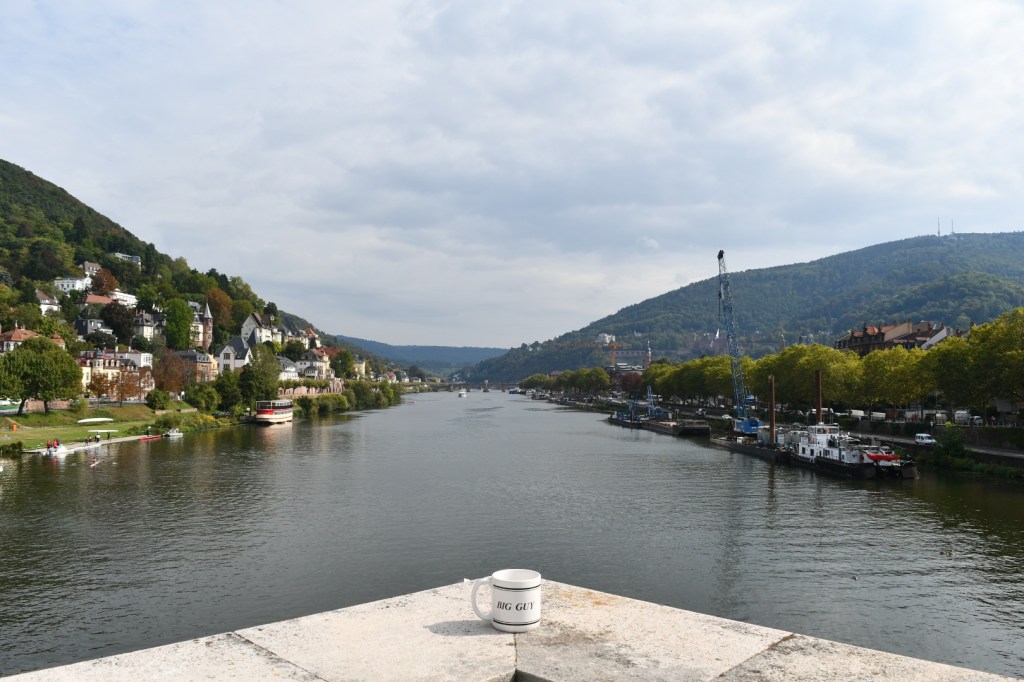


I had targeted two stops in Germany besides the known route of the 103d and the 410th Regiment- Dachau and Landsberg am Lech. Dachau was one of the many concentration camps under the control of the SS and Himmler. Landsberg was both the prison Hitler served time in in 1923-24 and wrote Mein Kampf while there but was also used as a a concentration camp.The Seventh Army who still had jurisdiction over the 103d has multiple Divisions surging across this southern region of Germany. The two maps illustrate with the separate pink markings showing Dachau and Landsberg am Lech’s locations.

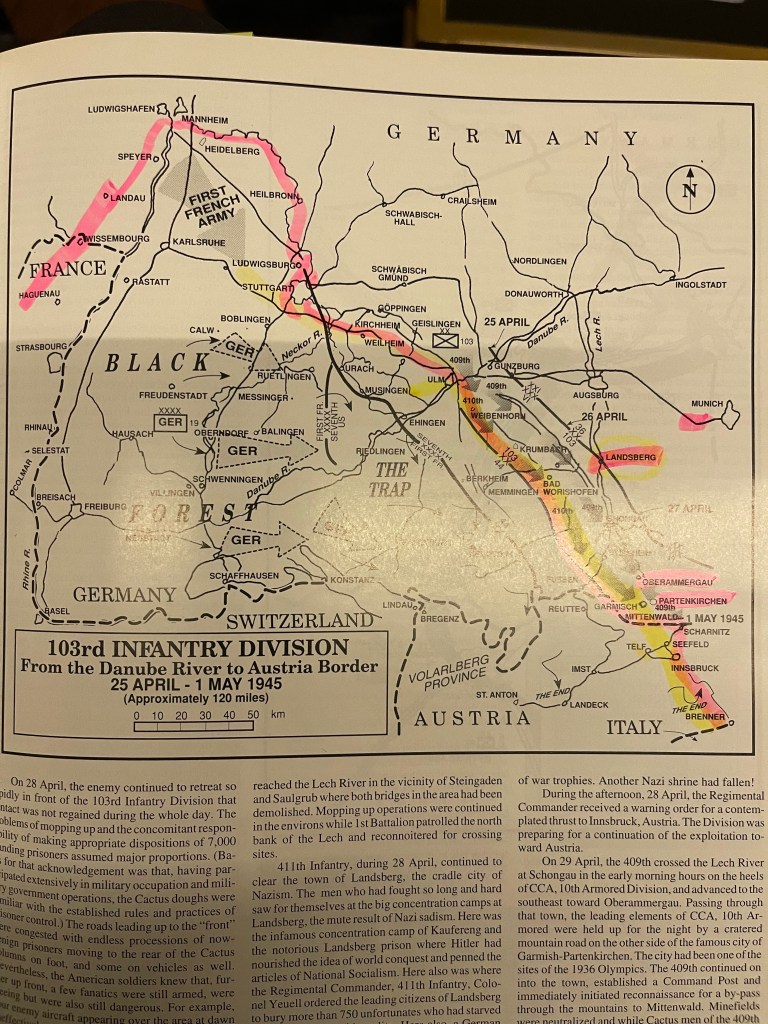
While I get to Landsberg tomorrow, a description of what the 411th Regiment came across following it’s taking of 200 prisoners and liberating the six camps located here is apt as I’ll let some of my pictures convey the somber and disturbing experience of the 7.4 million who died in concentration camps-6 million Jews out of a the 10 million Jews who during that time populated Europe.
From The Trail of the Cactus

Dachau:


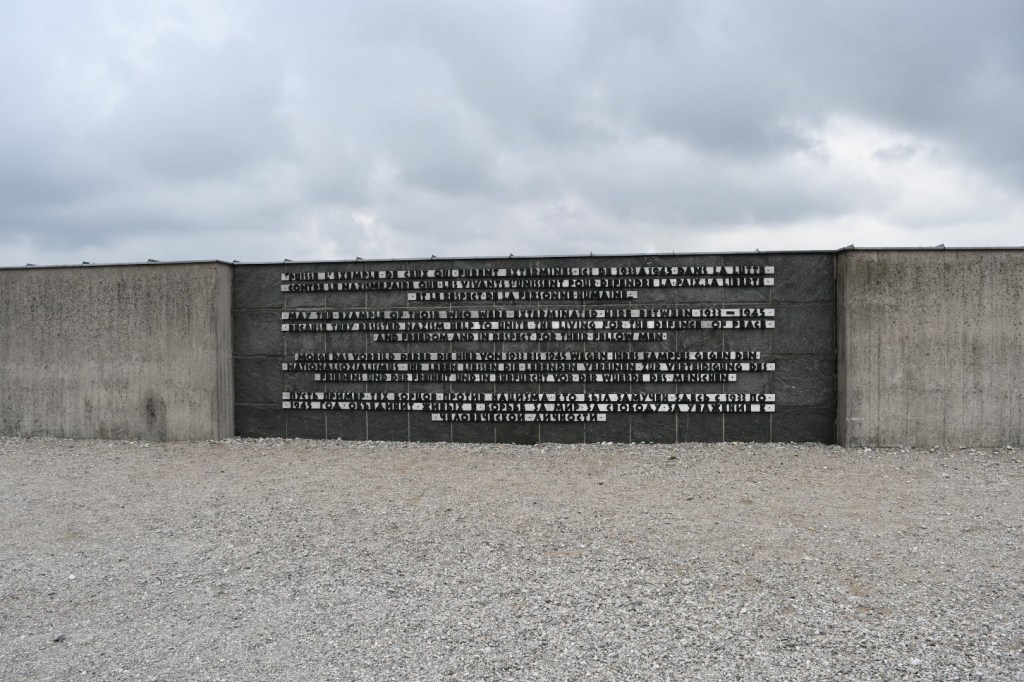
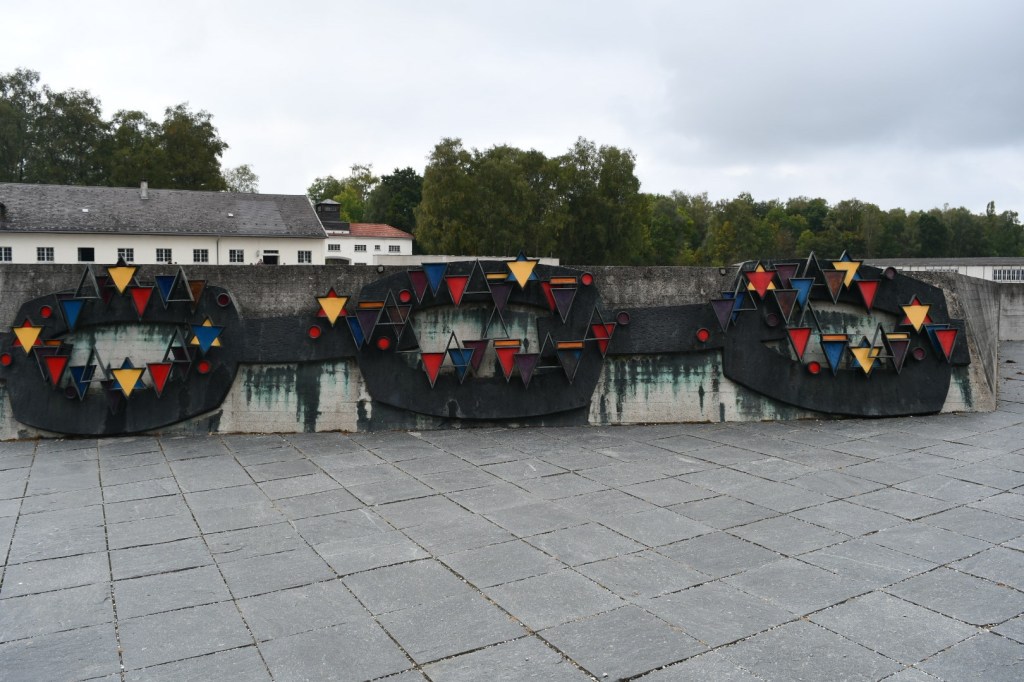


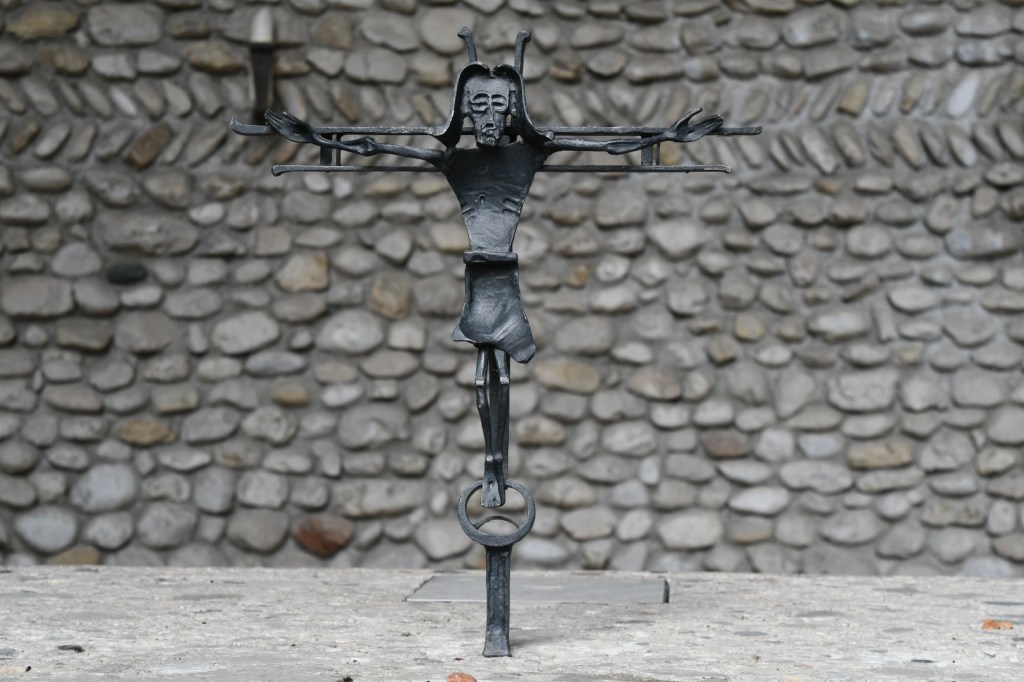
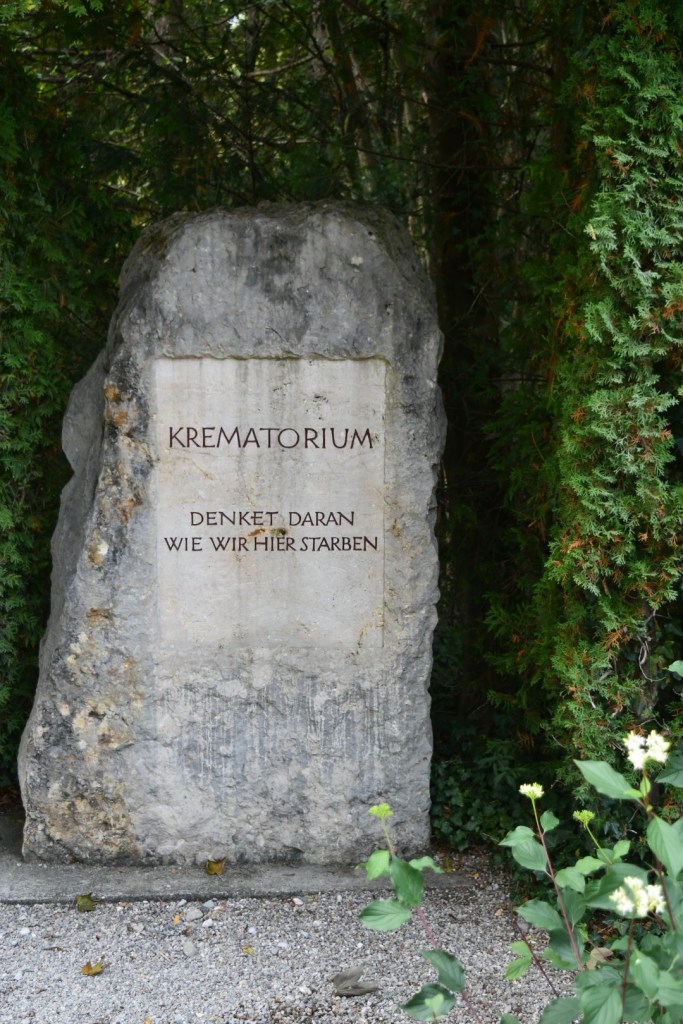
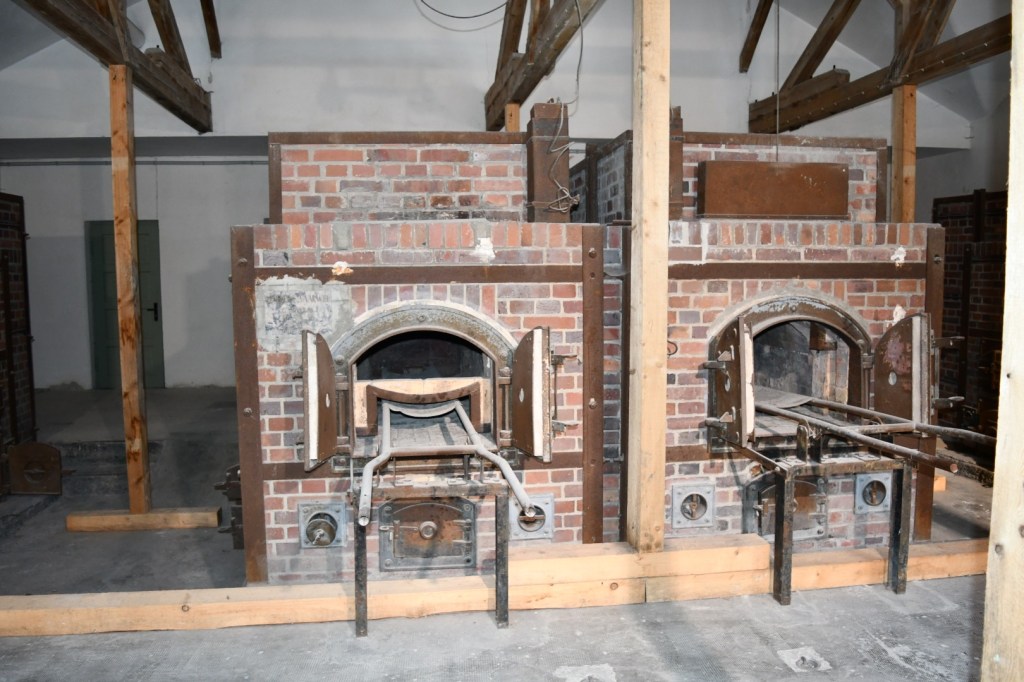


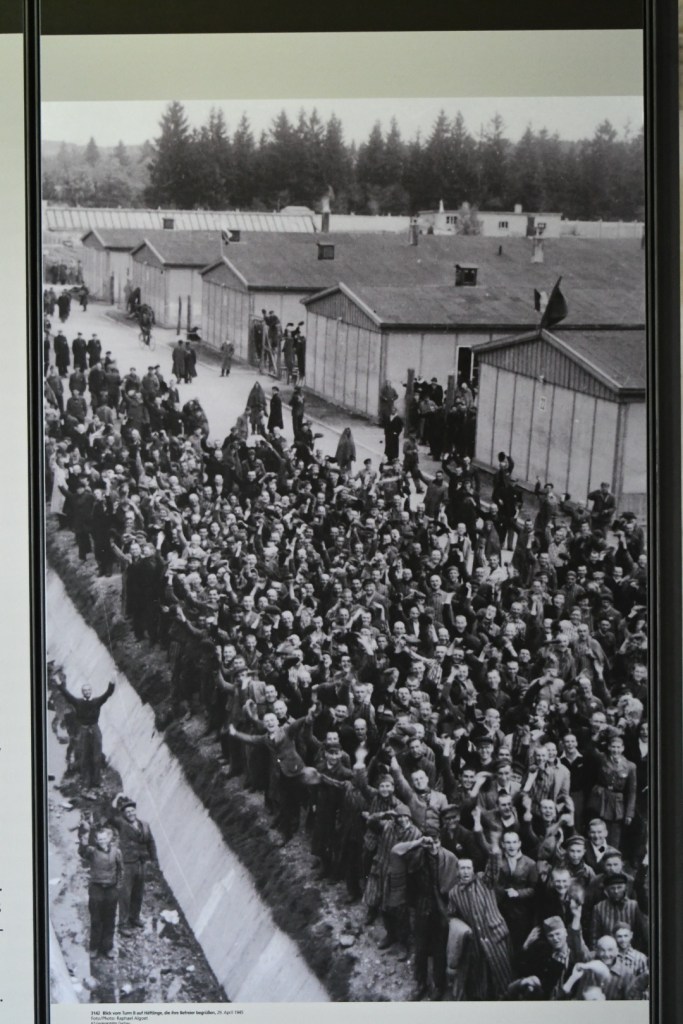
War and the atrocities.
Dad’s letter of April 22
Deep in the heart of Germany
● “We are still on the go, sweets, right back in the thick of it although I do admit the fighting is not what it used to be. However it still takes only one bullet to kill a man. If we keep going the way we are much longer we won’t be able to go any farther but will have to change direction and even then how much farther can we go.
● “Today I sat in on quite a few prisoner interrogations and some of them were quite revealing. One (??) had been in the army five years, had lost an arm, and was still made to fight. Boy, was he teed off at the Nazis. We came across a couple, 46 and 48 years old and still going strong. They, however, seemed to think it a lost cause. Then there was one officer candidate, 18 years of age, who fully believed that Hitler was still going to win with secret weapons. It’s amazing how much these people think of that bastard and after all he has done still believe he is in the right. It beats the hell out of me.”
September 28: Always Have An Alternative
One of my Father’s pearls of wisdom I retained over the years was to always have a back-up plan for most endeavors in life – jobs, college applications, travel, etc. “Always have an alternative” was his line. My sense spurred my travels is this quote has more to do with his infantry experience as an Recon patrol officer. Today I needed to implement that philosophy as I discovered the Landsberg prison was now closed for the remainder of the week. A surprise, a momentary disappointment, the need for an alternative!
As I sat in my ready to depart moment with my Fiat GPS telling me to “proceed to the route”, I decided I’d make my planned stop at the Newschwantein Castle (https://www.neuschwanstein.de/englisch/tourist/) outside of Füssen in the Bavarian Alps. I had planned on visiting on my second day in Garmish- Partenkirchen my ultimate destination for the day. A sunny start turned into misty rain and some sudden downpours but as I approached this Bavarian castle, the clouds began to wane and the sun to shine again. Built into a mountain side, the Castle is rich in history and reflective of both the war history and the monarchies of this region of the world). The beauty of the castle and the location had struck me as I found this in my research. My quest was to see and experience that beauty. It was not a disappointment. Yet, as I continued on through Füssen across the Lech River and into Garmisch- Partenkirchen, the closer sight of the Alps became more and more breathtaking.
I arrived in Garmisch- Partenkirchen by early afternoon and chose to do a mild hike at the base of Mount Wank (elevation 5,840 ft).
The sights from this Bavarian town are nothing short of stunning.

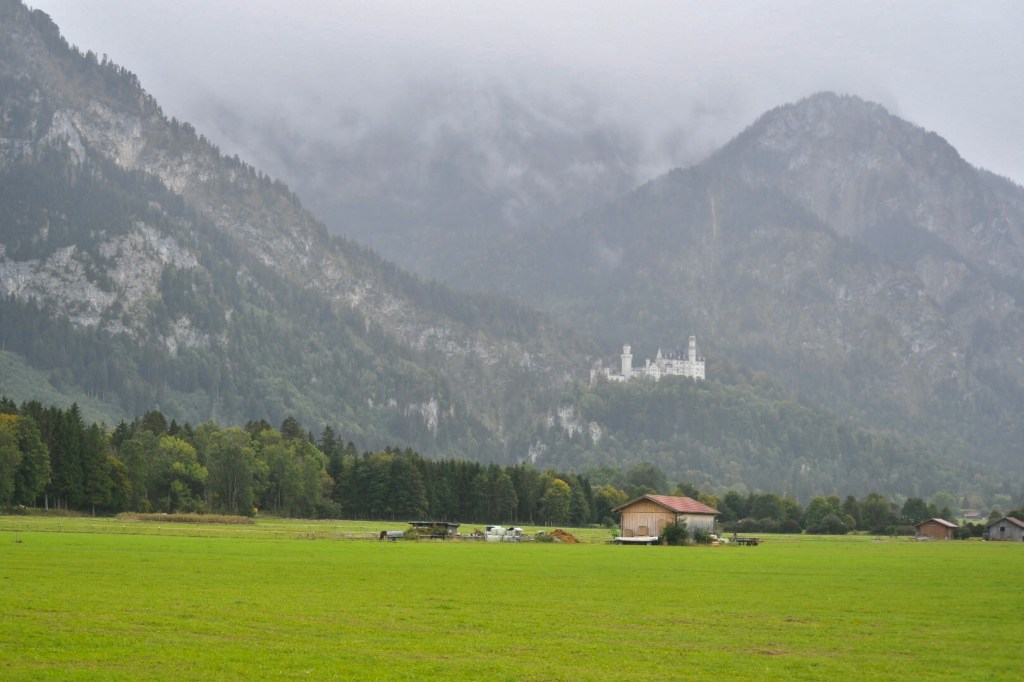

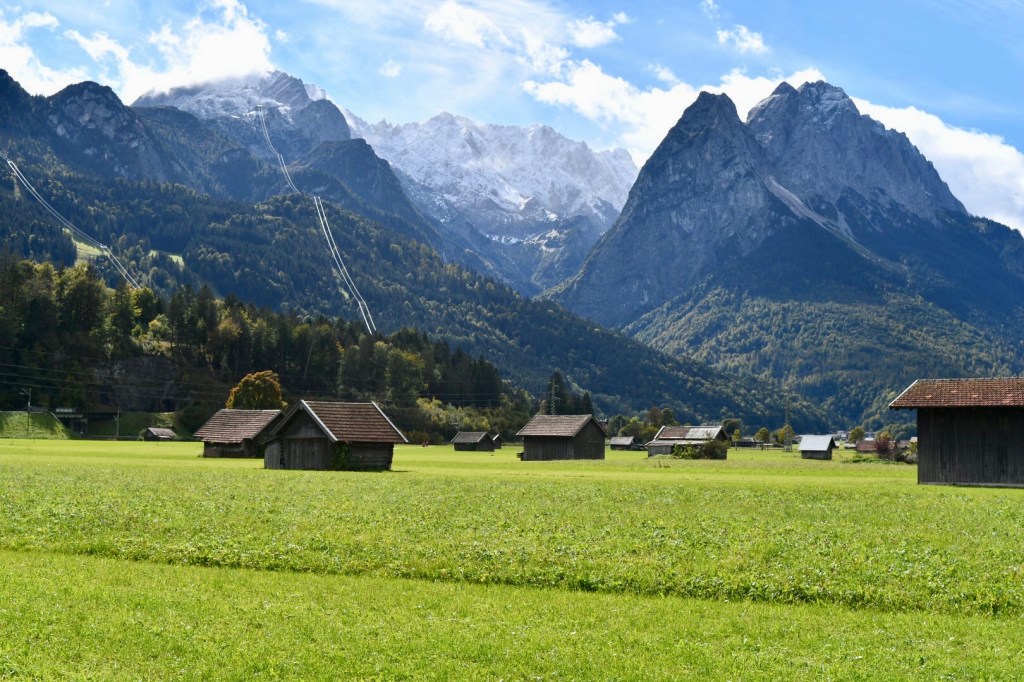
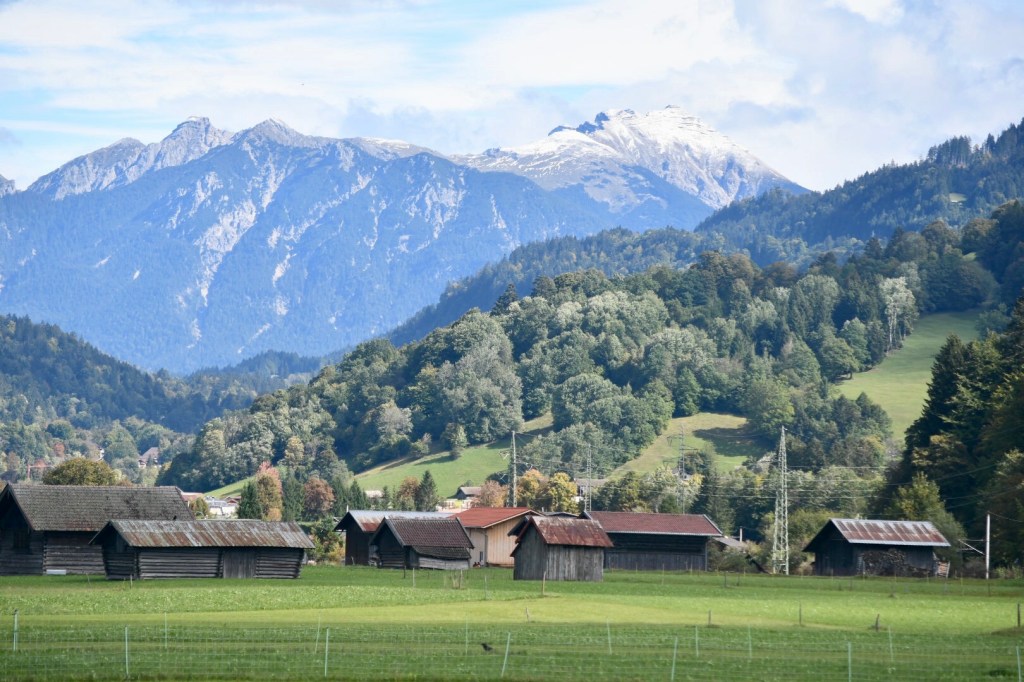

And a tidbit on Garmisch-Partenkirchen:
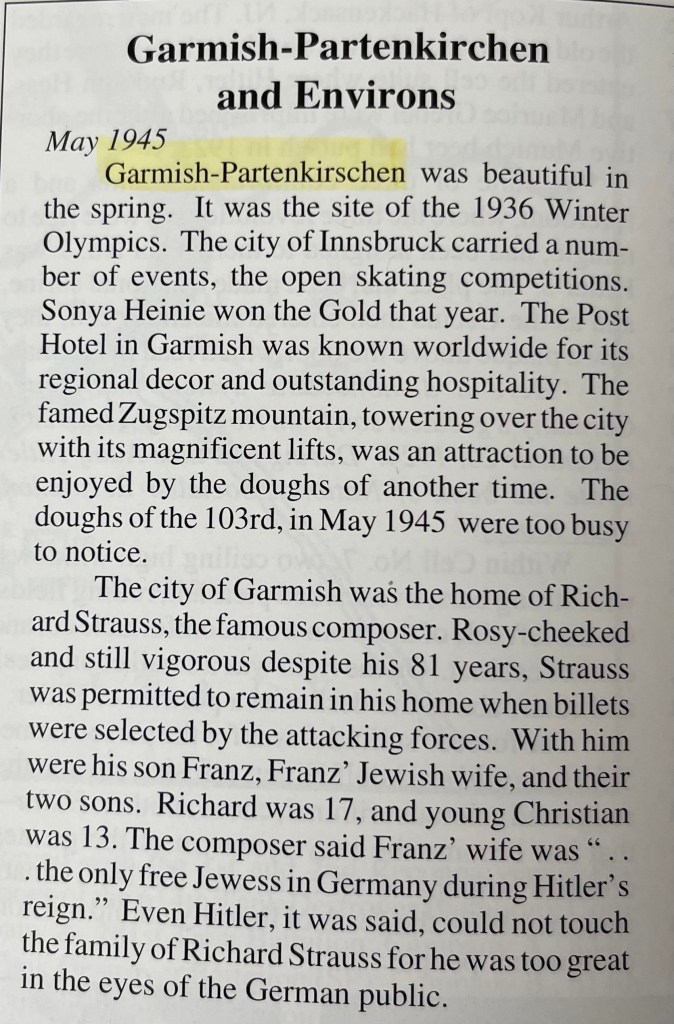
However, the war continued in April of 1945. From this repeated map you can see the travel location of the 410th Infantry through Füssen, Oberammergau, Garmisch and onto Mittenwald.

My travels yesterday took me through, Prem, Ried, Füssen and across the gorgeous Lech River. Yet, the fighting was still a concern to the troops as they advance. An excerpt from a confidence boosting but not a common infantry experience from CO I of the 3rd Batallion:

And from the National Archives:

Lastly, for this entry I include two separate pages from the April, 1945 Colonel Harding’s Narrative of Operations Report. The documents provide additional perspective on the nature of “occupying forces” duties and activities as well as the continued threats generated by desperate enemy forces and their civilian supporters:


Dad’s letter from April 22(+\-) speaks to the increase in combat activity as well as some external feedback on the perceived performance of the 103d Infantry:
22 April (?)
● “we have moved so fast and so far in the last few days I’m still trying to catch up. I’m very much afraid that our days of vacationing are over. We are back on the line now and the rat race is starting all over again. There is a story making the rounds this morning about a German captain we took prisoner yesterday. Upon being asked what did he think of the American troops he was up against he said he thought they were all right but when he found that he was up against the 410th “mountain troops” he thought it was time to give up. This seems to be quite an accomplishment because the jerry mountain troops are among the elite and almost on a par with the paratroopers.
● “Previous to this, the 103rd did have the reputation among the krauts of being “shock troops.” Even their SS troops were afraid of us.”
The Lech River and Lech Falls in Füssen:
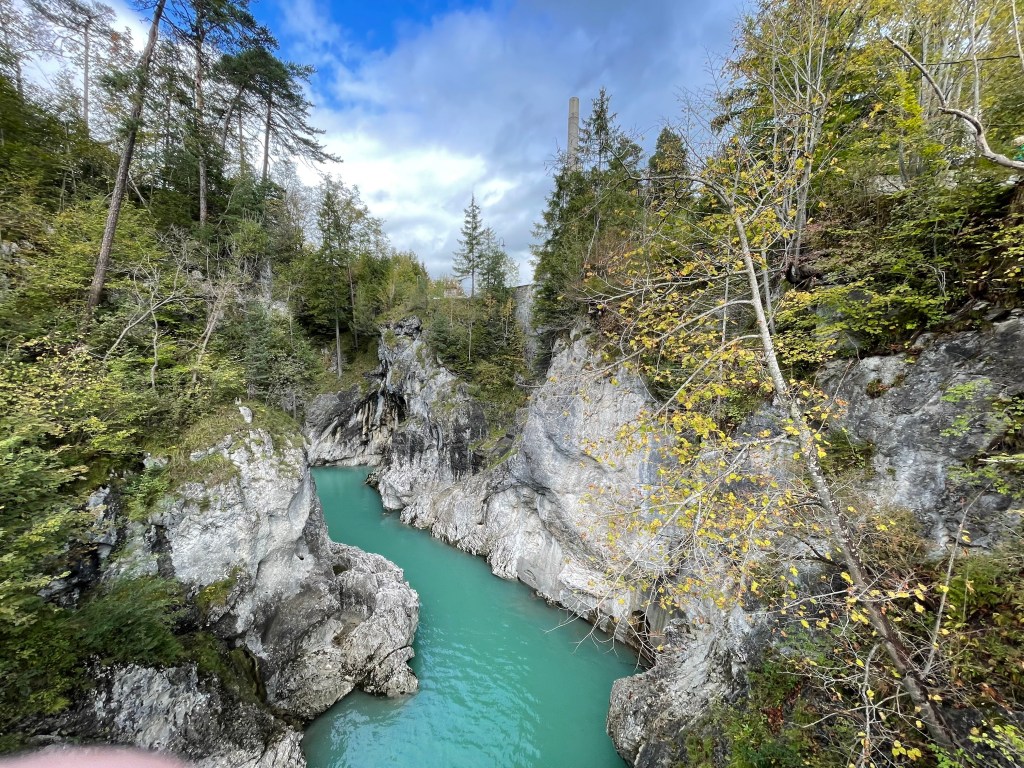
And finally, for those curious, I am into my 24th day of travel with eleven lodgings, over 2500kms and 1500 miles driven. I tried to build breakfast into my reservations so that has been an important meal. In France I took full advantage of grocery stores for provisions but mostly fruit for snacking and often my lunch. Dinners have been inconsistent and driven somewhat by how tired I end each day. However dinners when had have been excellent. For those with interest in epicurean delights some pics from Marseilles, Epinal, St Die des Vosges, Alsace-Lorraine, Dachau and Garmisch-Partenkirchen:



Bon Appetit!
Cell service is spotty in Innsbruck- who would have thunk! Will be back in a couple of days. Will leave you w one pic of this beautiful Tyrolian region:
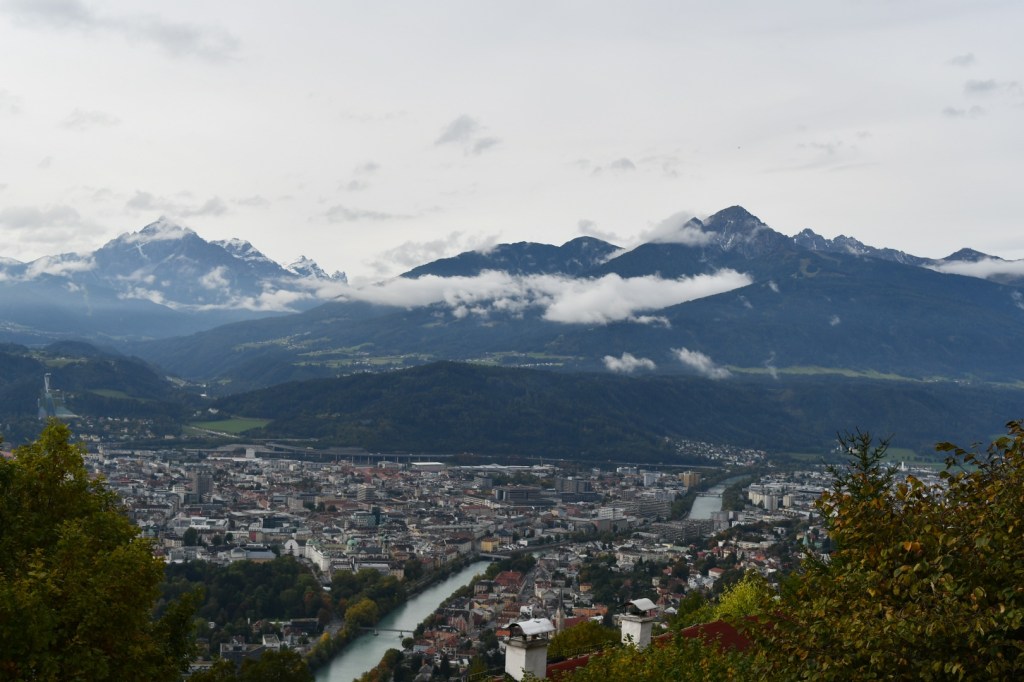
Monday, October 3
Most important today is shout out to Sister Moira who survived Hurricane Ian in Cape Coral, Fl. Her home also survived but not without damage. Wishing her strength as she manages through the aftermath.
It’s been several days of absence from this shared journey. Two reasons: the inconsistent internet at my Hotel Krone lodging in Innsbruck; the second was the “mind pause” after essentially reaching the end point of Dad’s primary combat journey – Innsbruck, Austria and Brenner Pass, known to the Italians as Brennero. Personally, I had accomplished my goal of reaching Brenner Pass- the location where the 103d joined forces with the Fifth Division “seizing the prize” of the key trade and escape route previously owned by Hitler’s Nazi, Germany and Benito Mussolini’s Italy that followed a 1940 Pact of Steel treaty. Innsbruck had also been captured. Munich had been seized by the Seventh Army, the Germans were on the run, prisoners were being collected in large numbers, and word was that a 100+ mile stretch of the First German Army comprised of 11 Divisions had only 500 men functional to fight.
Prior to these significant gains in the war, the 103rd made substantial and quick progress from Heidelberg southeasterly across the Danube River. By April 27, the 410th moved nearly 45 miles against disorganized but continued resistance making Dad’s letter on April 17 standout:
● “We are still on the go, sweets, right back in the thick of it although I do admit the fighting is not what it used to be. However it still takes only one bullet to kill a man

On April 27, Dad was clearly in the mix near Garmisch- Partenkirchen a few days before the unit made its entrance into Innsbruck:
The 409tf Infantry led the fighting and the capture of Innsbruck with a story that ultimately prevented the town from being leveled. An ultimatum was delivered to the German command in Innsbruck that it had four hours to surrender or the city would be destroyed. Agreement for surrender was reached by the German leadership was then overrun by a large body of resistors. Tanks and artillery of the 410th was placed on two hour alert status just outside of Innsbruck while the 409th took control of the surrounding towns of the Inn River Valley and ultimately Innsbruck.
On May 4th the formal surrender of Innsbruck took place – the 410th sealed the town after securing the Bridge over the Inn River. At the same time, several thousand enemy troops were disarmed on the way to Brenner Pass by the 411th.
On May 7th, 1945 at 0141hours, the German High Command had signed the unconditional surrender of all Land, Sea and Air Forces in Europe to the Allied Expeditionary Force and simultaneously to the Soviet High Command.
Peace in Europe was officially placed at 0001 hours on May 9, 1945.
The war was over… sort of for some of these troops.
The occupation, the celebrations, the heroes welcome by the Austrians, the parades continued. European combat was over. Going home was the next step for many of these troops. Yet, those who had not garnered enough “points” of military combat experience were being re-assigned for transport to the Pacific to do battle with Japan.
This assignment ultimately became moot when Japan surrendered on September 2, 1945.
Given the above stories associated with Innsbruck and Brenner Pass, I am quite pumped to land at Brenner Pass envisioning a mountain top clearly a point of arrival for US troops. To my surprise, after crossing the final toll booth in Austria on E45, I am completed deflated when my traveling partner, Fiat Fiona,indicates to me that in the middle of the tunnel, I “have reached my destination!” As I pull into Brenner, there is little to see but a mass of trucks, trains and a shopping outlet. The roadway is one of the more significant ones in Europe.
More on this possibly later, but I got there, took my time returning to Innsbruck stopping off at some higher altitude towns for some photos of the large bridge spanning the Austria- Italy connection.


Off to Versailles today and will add Innsbruck the Hofsburg Palance importance to Dad’s journey and some more pics.
October 4, 2022
So before I speak to Versailles, Omaha Beach, I want to finish up on Innsbruck and a bit of a fun escapade.
Seven days after VE Day (Victory in Europe Day), Dad pens a note about his Innsbruck whereabouts: We are really living in style these days, honey. I have my own room, a nice little job with southern exposure on the second floor of the apartment house overlooking Hofburg Palace. My platoon has taken over three apartments and have made themselves quite comfortable. In addition, I went over to the displaced persons camps a couple of days ago and got three Russian gals to come over and do our housework for us.”
The Hofburg Palace was built in 1500 for the then emperor MaximillianI. Maria Theresa, 250 years later decides to renovate. Besides being the Mother of Marie Antoinette, she was the only female sovereign of the Habsburg dominions which included during her reign of 40 years until 1780, Austria, Hungary, Croatia, Bohemia, Transylvania, Mantua, Milan, Lodomeria and Galicia, the Austrian Netherlands, and Parma.
The Palace is enormous and faces multiple parts of the city. I know Dads been here and roaming the city so I decide to track a few angles especially after viewing the Palace from high above in the 1450 Town Hall Tower. I roamed with my Big Guy Coffee mug cup and did my Where’s Waldo thing.

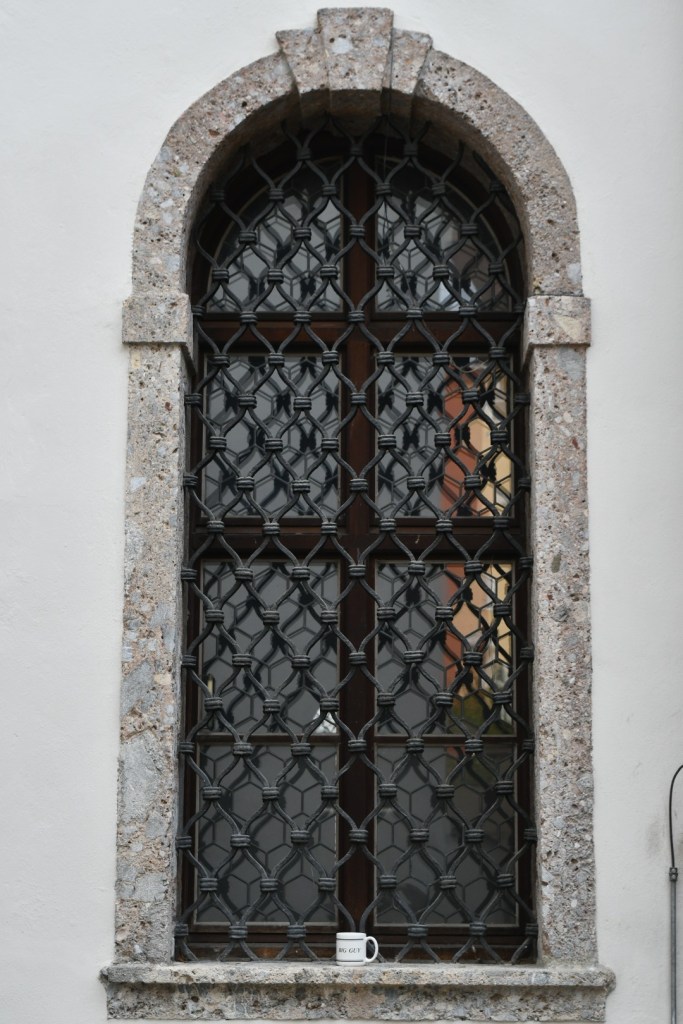
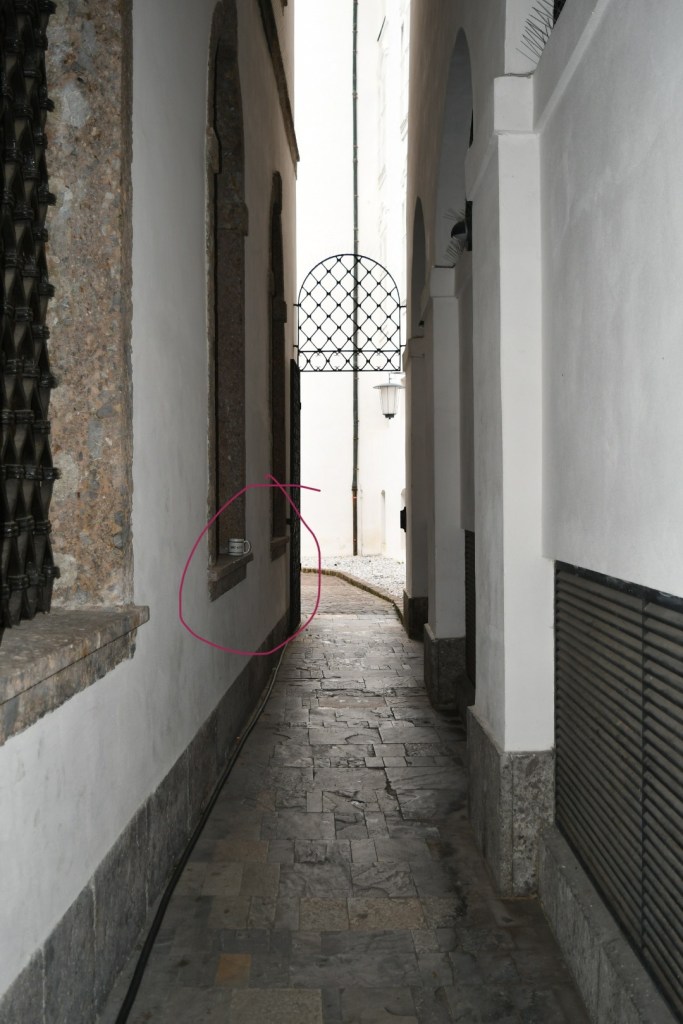

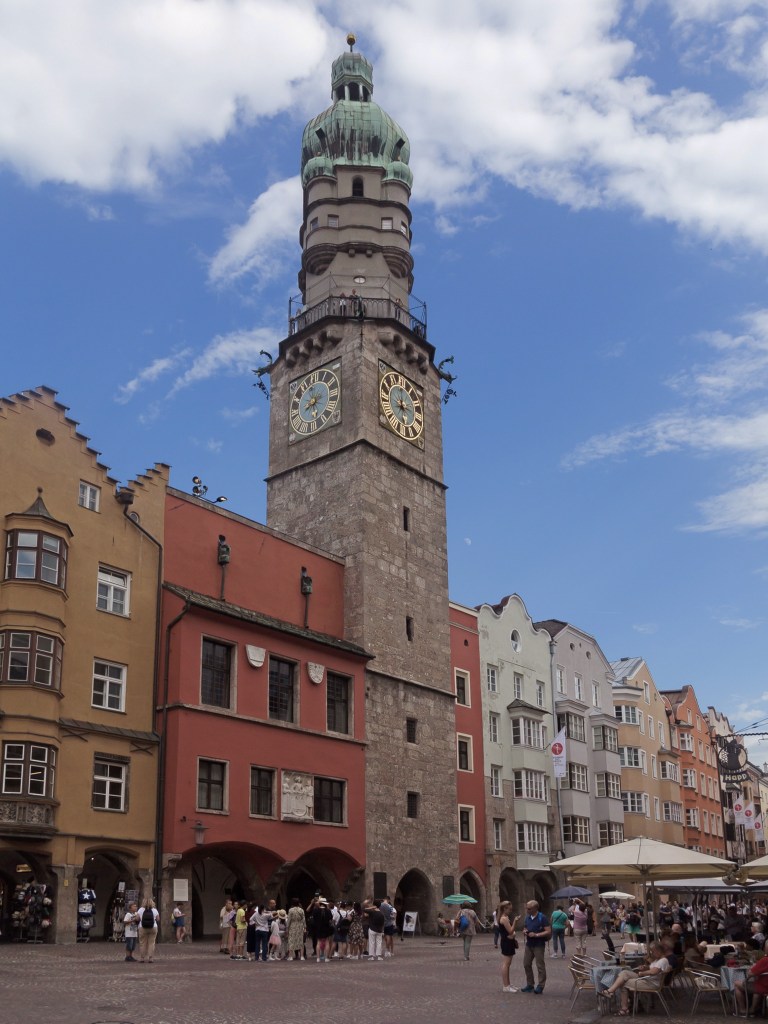

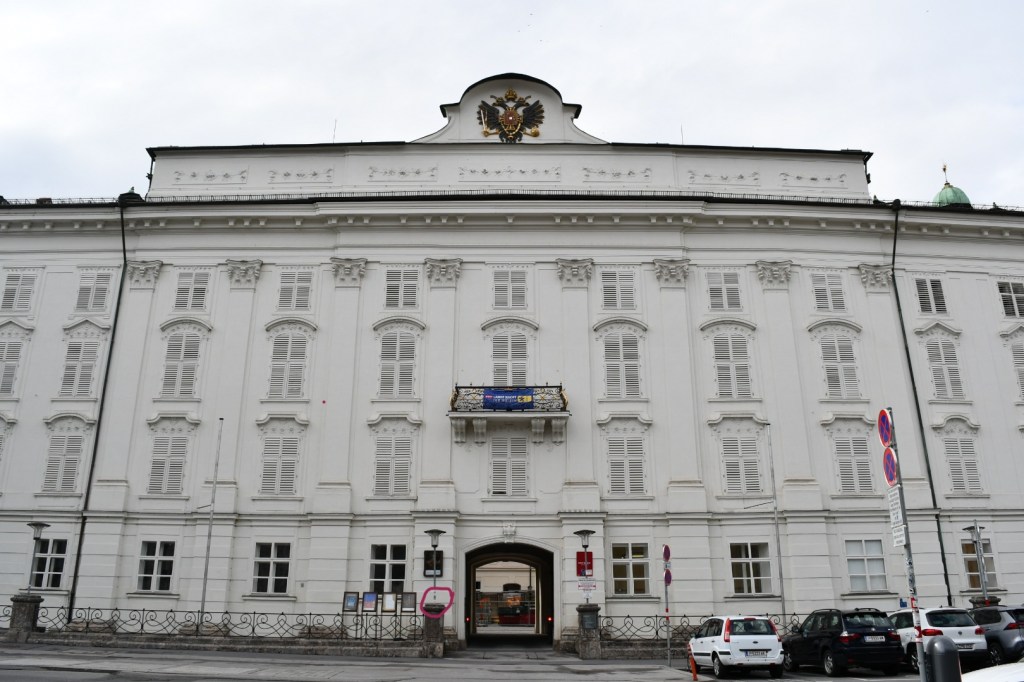
My trip from Innsbruck to Normandy, France involved was going to entail 15 hours on the road so I had broken up the schedule into a three day drive with the first leg to Bensaçon taking me through southern Switzerland, the Alps and a Zurich drive by. A Sunday drive with a mix of weather and a lot of rest stops. I left early Monday with a bit more energy unsure of what driving into Versailles would be like. While it took me three loops around a maze of multiple streets, Fiona kept up pretty well. I had chosen a location within a five minute walk to the Palace of Versailles – a landmark that for whatever reason always stood out from my adolescent studies. I chose not to do do an interior tour but spent several hours roaming the gardens, the fountains, the building and architecture, admiring the sculptures and the labyrinth like pathways. French nobility of historic proportions with King Louie XIV as the figure positioned on his horse in the enormous parking lot entrance.
A few pics below.
What I did recall was the Palace of Versailles was the location for the signing of the armistice between the Allies and the Germans ending World War I on November1, 1919. The Treaty of Versailles was a humiliation to Germany that some historians suggest led to the formation of radical German groups including the National Socialists (Nazis) that gained infamy in 1923 when Hitler was jailed as part of a failed coup attempt in 1923. Again, it was in the Landsberg prison where Hitler was jailed that resulted in his writing of Mein Kampf (My Stuggle).
Additionally, Armistice Day was celebrated as a National Holiday in the United States before becoming known as Veterans’ Day in 1968 and returned to a November 11 day of observance in 1978 as a result of Congressional action. I’m not sure how many of our young people know the evolution of Veteran’s Day from the Treaty of Versailles.
The bonus of the day was the weather in Versailles as the sun came out for most of my time touring the Palace grounds. The double bonus was the Italian restaurant and sitting outside watching the Versailles world go round as I journaled.With a glass of Montepulciano red!


My five minute walk back to my hotel, gated free parking and a breakfast before departure in the morning set the stage for the 3 + hour ride to Normandy and Omaha Beach.
This destination seemed to be a fitting, penultimate end to my combat journey. While Dad’s story remains incomplete, the connections between military decisions leading to the Normandy invasion by the Allies into German occupied France were many.
My first reaction upon entering the Omaha Beach lead-in road was how the road sat above the sandy beach I could see in the distance. Of all I’ve read, seen and heard about Normandy over the years, what always stood out was the defensive positioning of German forces as this massive collection of Allied forces (500,000 air, sea and land troops) were such targets for the German artillery, rifles, mines. The destructive ocean mines, the hedgehogs, metal and concrete obstructions impacting the amphibious vehicles seeking to drop ground troops and equipment onto land all added to the complexity of the Allied offensive.
One can only envision that when standing above and center at Omaha Beach.
My first day was all beach. I walked the length of the beach to the Les Braves sculpture imbedded on the beach that speaks to Hope, Fraternity and Liberty. The stone monument nearby is also a French recognition of the June 6, 1944 Allied liberation of Europe. Lastly sits an “Ever Forward” bronze memorial depicting soldiers from the 29th Division’s 116th Infantry Regimental Combat Team.
But the stories. The stories get told by the Normandy American Cemetery where over 9,000 lost in the war are buried.Epinal’s cemetery had over 5,000; Lorraine’s cemetery had over 10,000. The stories get told at the Pointe du Hoc memorial site where 225 Army Rangers scaled a 100 foot cliff to take out the German artillery raining down fire on the ocean exiting troops. The group had a 70% casualty rate but were successful in pushing back the Germans allowing for further inward land movement by the storming Allies.
Another beach walk and reflection ended the day. Today was a focus on some additional beach locations and memorials followed by trips to the two of museums in the area – the Omaha Beach Museum and the Overlord museum.
A mix of military equipment and troop supplies, both museums were rich in information and comprehensive in their respective exhibitions.
The Omaha Museum included a fifteen minute video telling the tale from a documentary perspective – footage from real time. Disturbing to watch at best.
The Overlord Museum – aptly named from what was called Operation Overlord – this Allied invasion, Commander in Chief of the Allied Forces and future President, Dwight D. Eisenhower addressed the troops the night prior to their England departure ”You are about to embark upon the great crusade toward which we have striven these many months. The eyes of the world are upon you.”
As I finished the last series of exhibits focused on weapons large and small and then a gallery of photos past and present of former Allied combatants,The photos included each man’s two paragraphs on what the experienced was to them. The narrow walkway audio that seemed like replays of June 6th radio communications throughout the self- guided tour very logically sequenced and designed, switched to Artie Shaw’s orchestra’s version of Begin the Beguine (beguine meaning a ballroom dance and very reflective of the 1940’s Big Band music). If you don’t know it or can’t whistle it, here’s a YouTube link: https://youtu.be/cCYGyg1H56s.
Well the emotions of this whole experience hit me. I was grateful there was a bench at the end of this hallway. There were tears streaming albeit more than when I watched the earlier documentary or passed through the stories of those buried in Normandy. This near 80 year old story of fierce combat, death and destruction is an emotionally emptying story. Just before the music came on, my hallway tour of individual stories of those who survived were my focus.. This one particular story tugged my heartstrings as it seemed so true for so many of them and their descendants who had not heard the tales of war. This came fromTed Liska, from Company D, 12th Regiment, 4th Infantry Division: “It is very difficult for people to actually realize what it was like that day. the thousands of men and the shelling, the wounded, the dead, the debris, the wrecked tanks, the smoke, the mutilated bodies and everything else. It’s very, very difficult. A veteran who has seen combat doesn’t brag about what he saw or what he did.He speaks about others, but very seldom speaks about what he did.
That day as I was coming over in the landing craft, I said a prayer to myself. If I come through this alive, I will never forget the men I leave behind.
I don’t know why I lived and they died. I’ll always wonder…and I’ll always remember.”
Always remember!
Some pics:


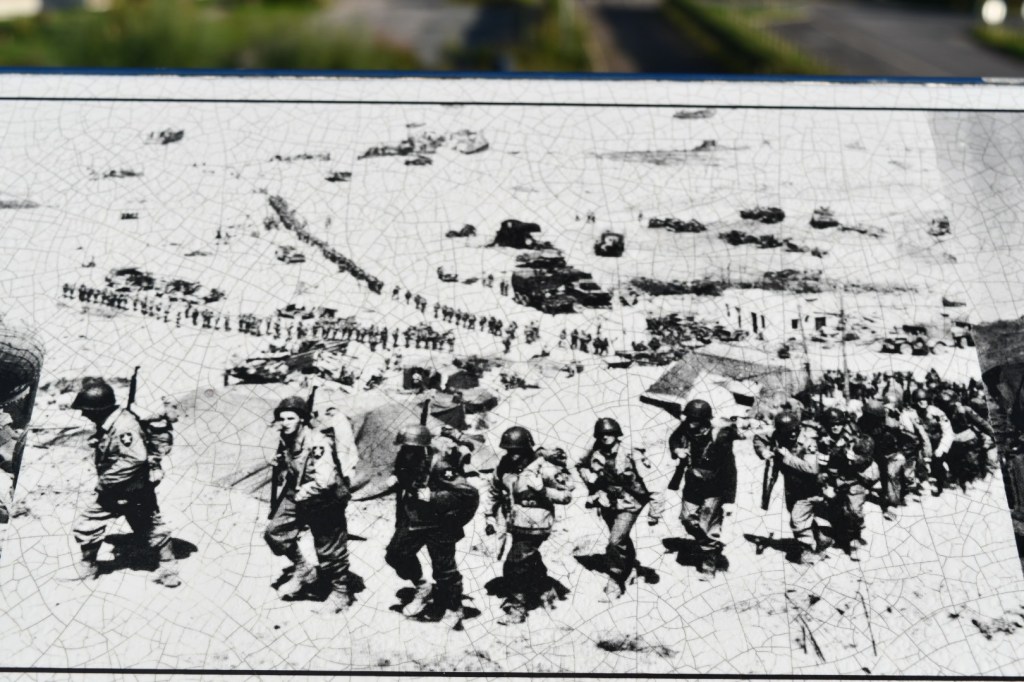


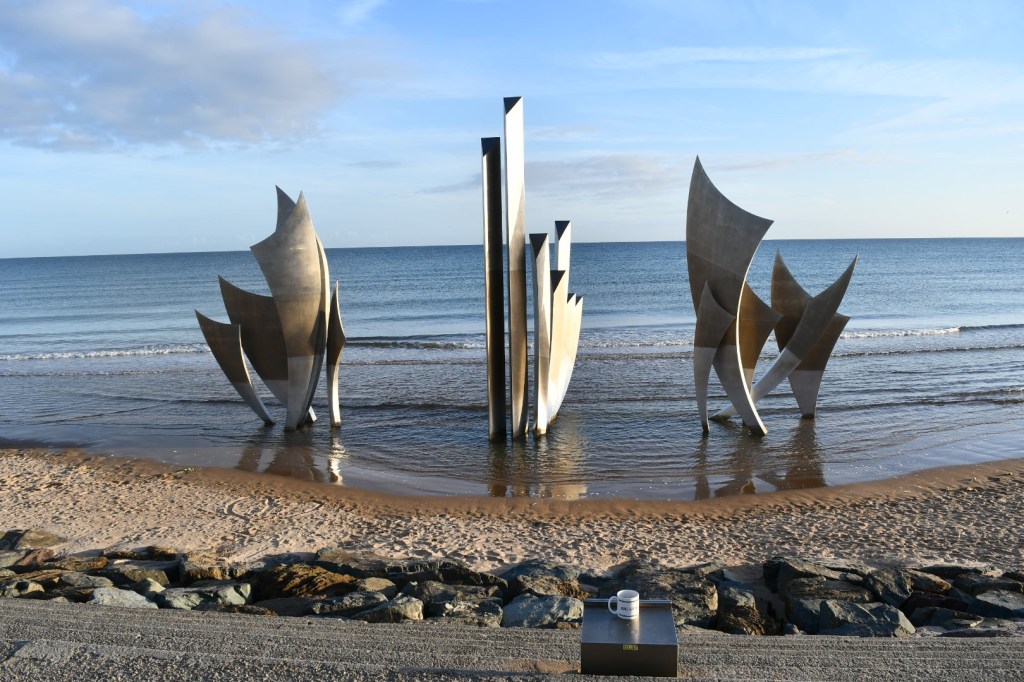
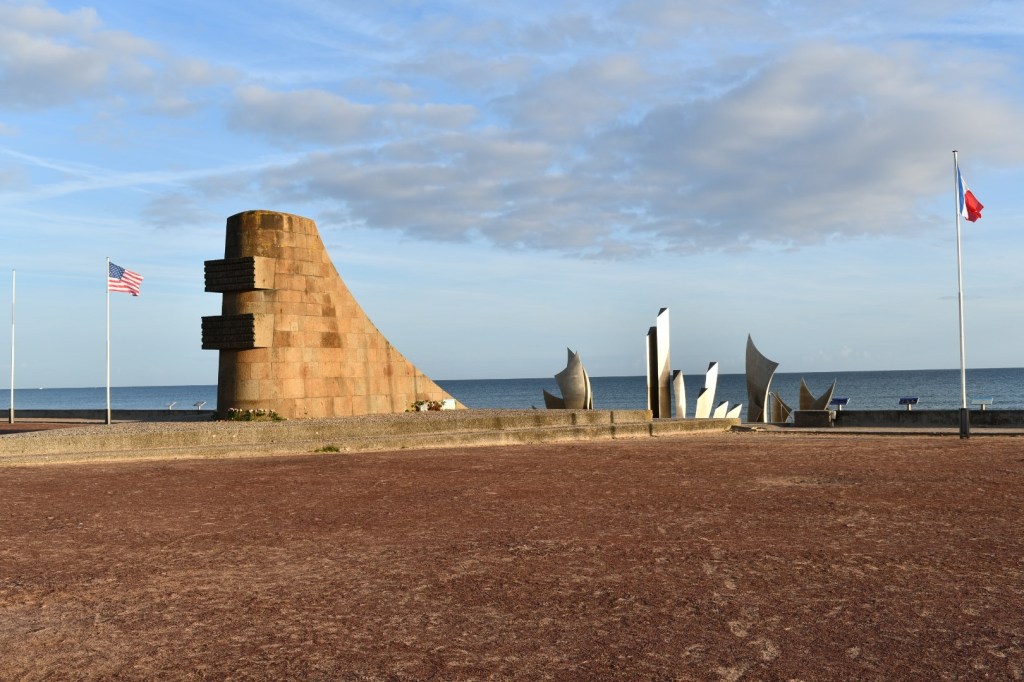
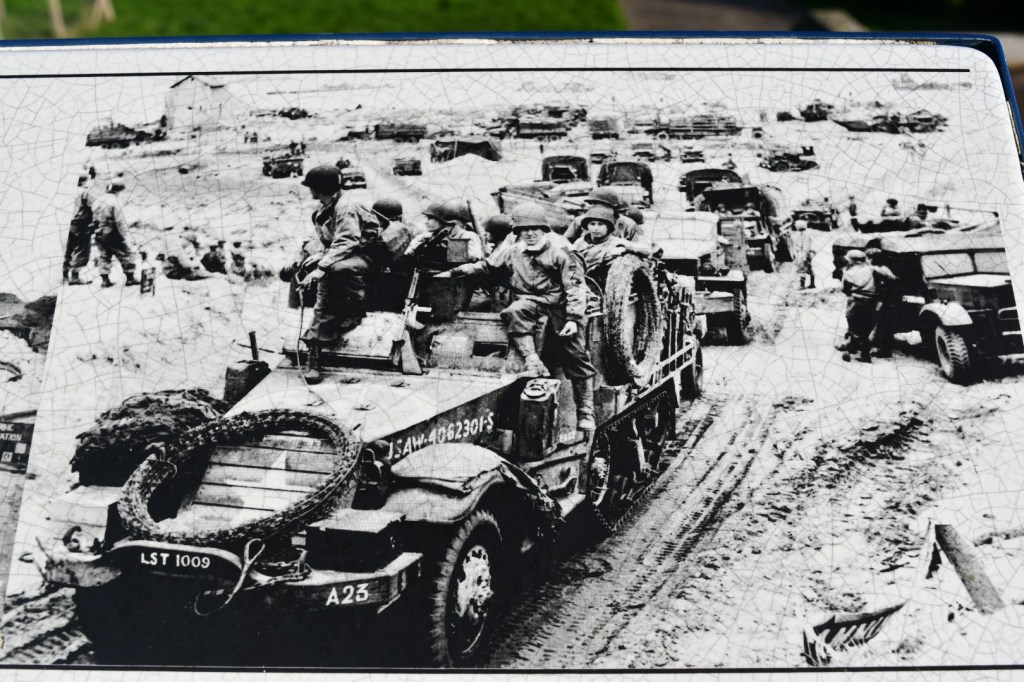
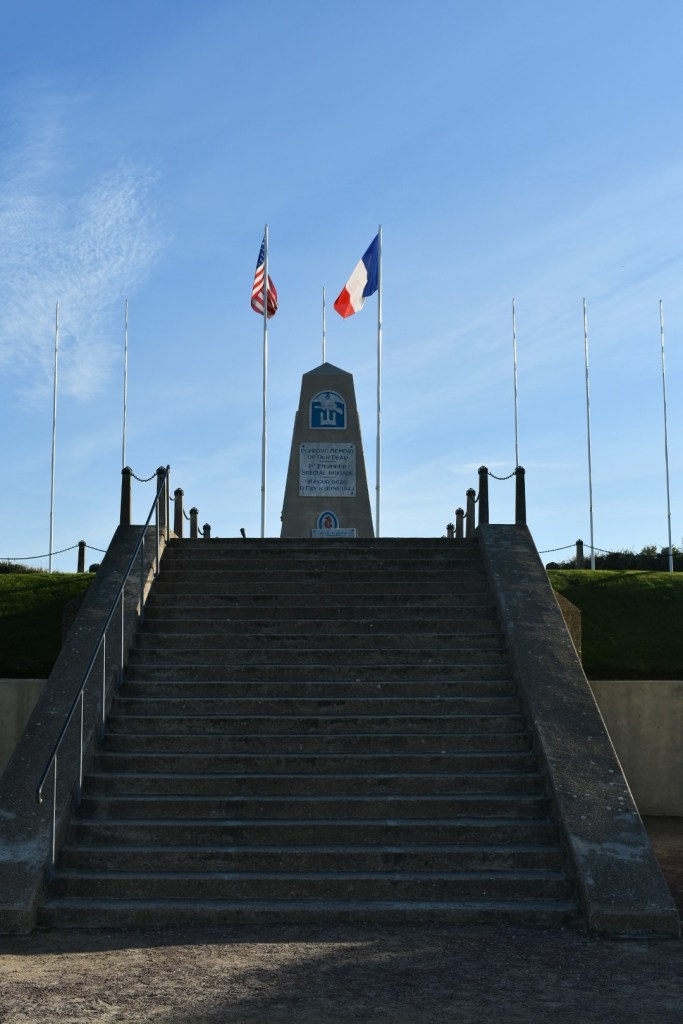
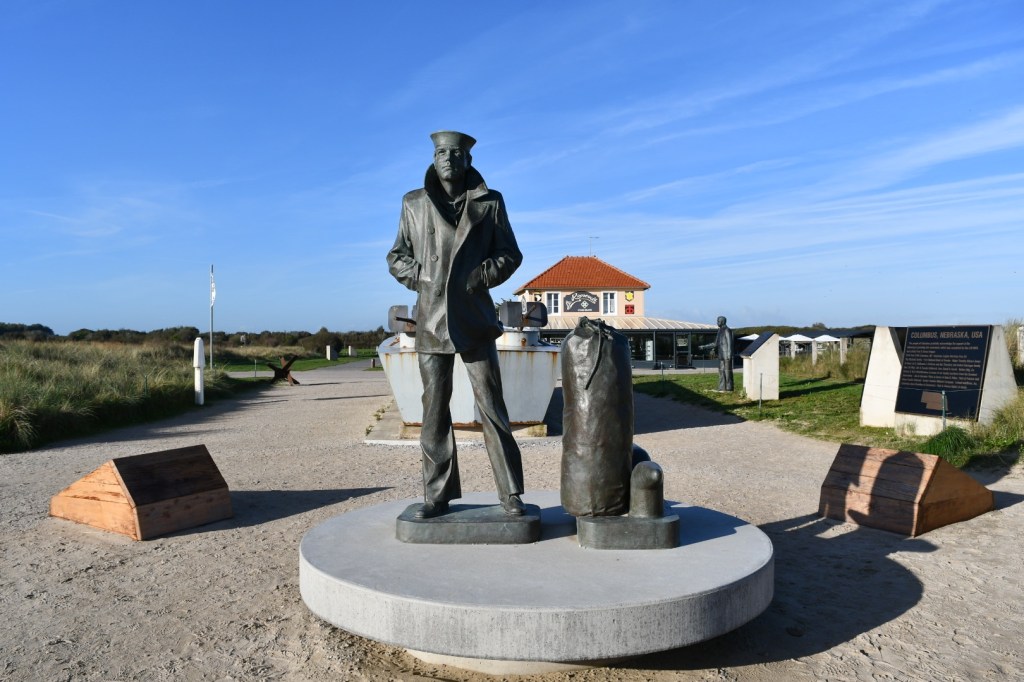


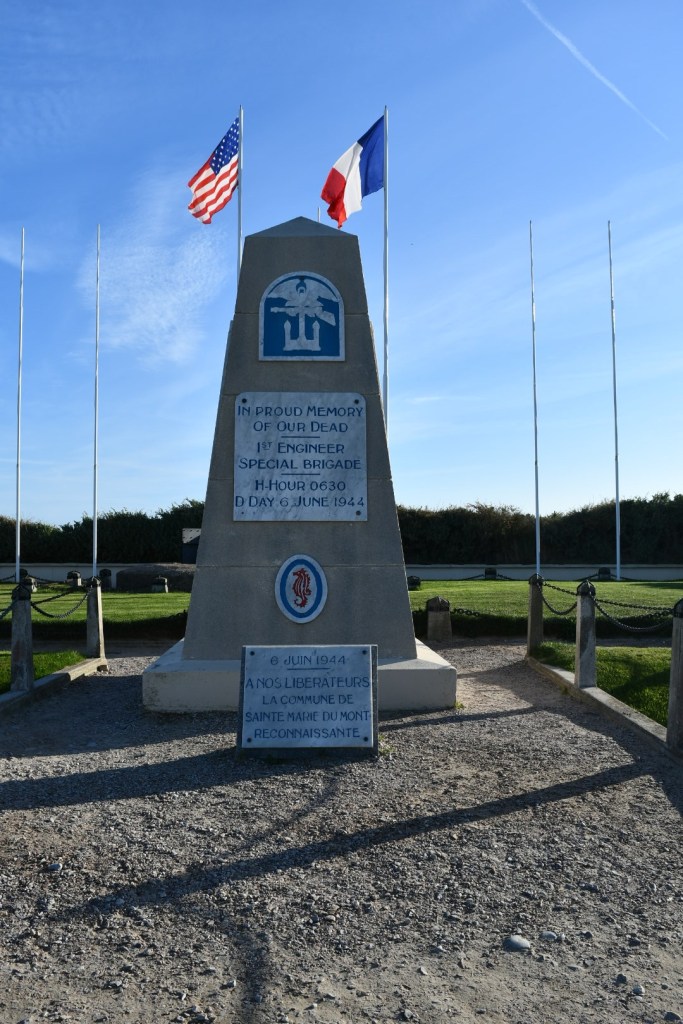

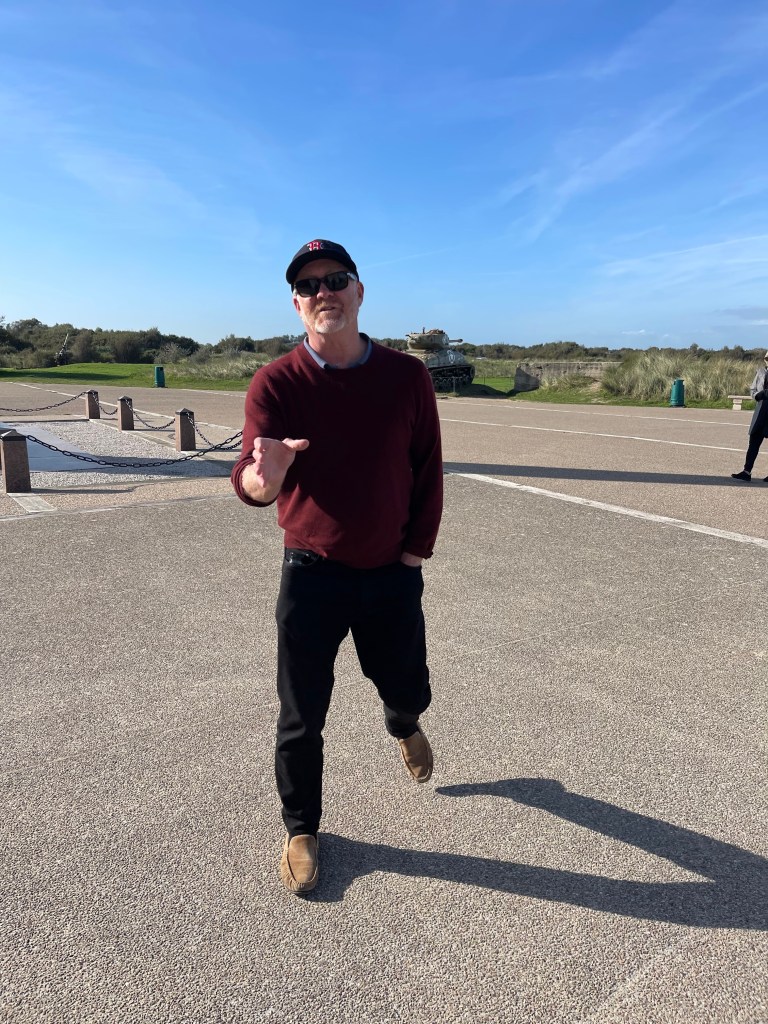
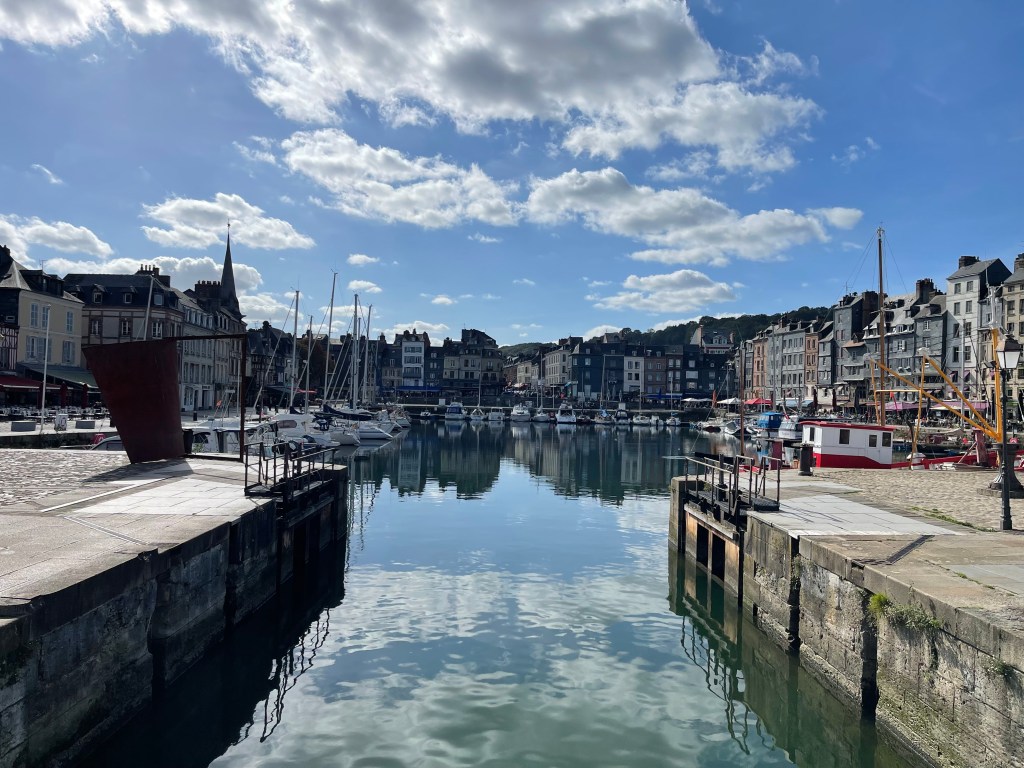
And one more from Honfleur because I had to
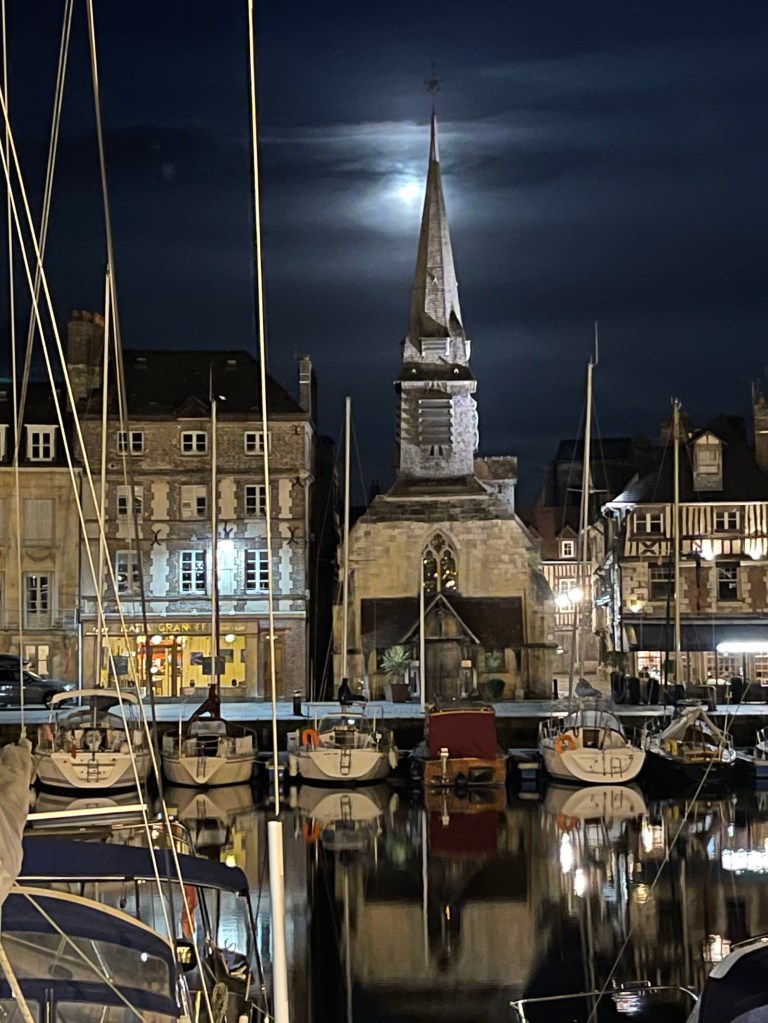

October 9
I’ve reached Paris. Almost 5,000 kilometers traveled (just shy of 3,000 miles driven) dropped the car off at Orly Airport and had arranged for a taxi to shuttle me to my Paris Hotel du College de France- a few blocks from the college and equally as close to the Sorbonne – a University I always wanted to see.
The skies were blue, the sun shining, the streets packed with Sunday tourists, shoppers, day tripper families, friends, locals and strolling lovers. Lovely immersion into Paris. Glad to have the driving behind me. Was able to ignore the driving directions and enjoy the entry into downtown Paris.
My final destination has arrived. The two days in Hondleur were a bonus- beautiful weather, beautiful town, relaxing within an environment of high energy and positive people. Paris is the finale and a selfish one at that. Never been here. Always wanted to experience. The Seine, Notre Dame Cathedral, Arch de Triumph and of course the Eiffel Tower. Food, cafes, art, history and romance. Well, four out of five ain’t bad!
The intended end was also planned as a decompression from the purpose of the trip.
Replicating the combat trail capped off by the visit to Normandy was my goal.
I anticipated I would have more to say, more to write about my experience. I anticipated some closure to the trip while also knowing I’d likely continue my research and writing given so many new learnings gained from my travels. I also knew my blog did not fully reflect the near filled notebook serving as my written journal.
The war experience was a fulfilling one for me. The travel through Alsace- Lorraine regions of France, in particular, were incredibly informative as the locations linked to the military and historical accounts, Dad’s letters and the radio communications added a reality to the three combat campaigns Before crossing into Germany and clearing out enemy opposition. Even after the signing of the surrender in Berlin, the Allied forces continue to contend with the enemy.
Dad’s letter from late June, more than a month after the war had ended:

The war was costly to all of these troops. Of the roughly 15,000 members of the 103d who crossed the Atlantic across stormy seas to an unknown journey, 810 were killed in action or succumbed to injuries. 3,329 were wounded in action and 14 were MIA and were so noted in the Epinal Lorraine American Cemeteries’ Wall of the Missing. Dad was not one of them.
A note from brother Patrick’s original summary of Dad’s military experience:

While completing his tour of duty in late August, he was involved with an injury he explained in typical non detail to Mom in his letter:

Truth be told. The story had to do with this plane crash:


Dad was flying as an observer in an L-4 Piper Cub known as a ‘Grasshopper’ to monitor the disarming and movement of German troops. The plane lost power and crash landed leaving Dad with a shoulder injury. I’m still trying to locate additional info on the crash through NARA and the USArmy archive.
I have few days to process some final reflections about this massively stimulating trip.To travel the same roads, walk the same paths, be in the same towns, sit by the Rhine, enter the forests of the Vosges, see the same villages and locations Dad experienced was more successful than I could have imagined. Envisioning 80 years ago was more of a challenge given the reformation and the beauty of all of these places. Yet, the monuments saluting those who died from 1939-1945- civilians, soldiers and allied volunteers along with the gravestone markers of over 25,,000 men and women in three American cemeteries provide the basis for ‘Never Forget’ what these mostly twenty something young men and women did to preserve freedom in France, in Europe, for the United States and the world. Two simultaneous wars on two sides of the world. Unaginable.
So many lives lost. So manimpacted.
This one picture has stayed with me as a reminder of the comrades in arms’ phrase and the friendships developed during the troops combat. Every once in awhile they were able to get away from it and have a laugh.
Don’t know where this was taken but my guess has always been the Duck Inn had a double meaning for these soldiers with the second having to do with keeping one’s head down.

Dad has the duck!
CHEERS!
For the moment, I found the ending to this journey.
As I once again roamed the streets of Paris for a few final shots of sunset over the Seine River and a hope for a full moon shot before the night ended, I came across Le Galway Irish Pub on Quas des Grandes Augustine’s. Why not, I’m thinking. My legs were weary from a six mile round trip trek to the Arc de Triumphe and an Irish pub in Paris would have to have a story.
Before discovering I needed to enter the pub to place my order, I placed my backpack and camera on the table and sat with a desired view of a busy intersection at the bridge crossing the Seine to the Cathedral of Notre Dame .
The declining sun made for a great light on Paris. The 6pm traffic of cars, cabs, motorcycles, busses, bikes and plenty of pedestrians was heavy but consistent with the efficient flow of people and vehicles I observed in my initial three days.
No more than few minutes had expired while I waited unnecessarily for the wait staff.
As I sat gazing at the busy street, BOOM! I hear the thud and witness the flight of woman hurtling through the air after being struck by a taxi.
My initial reaction from 30 ft away was ‘Holy Shit’; my second was “Move”. I was one of three people who got to her quickly as she tried to get her very disoriented self up from being flipped over backwards onto the street. The driver immediately gets out of his vehicle, gently takes the arm of this still obviously ‘woozie’ individual and communicates his want to get her in his patron occupied vehicleI. In less than two minutes from hitting the ground, she is in the front seat. Story over. I walk away thinking no one would have let her move in my in my usual world, traffic would have been bogged down while people awaited EMT’s, ambulances and police. France!
This woman doesn’t know what street she’s on ( literally) and she’s now in the front seat of a cab driving off somewhere.
Life goes on albeit with the accident generating commotion among patrons at Le Galway pub. My good fortune from the incident was the appearance of waitstaff among the onlookers and I’m informed I need to buy my beer inside.
I grab my backpack from the table and head toward the door. Three steps from the table, my loose strap from the bag gets stuck in the jacket of a young man engaged with two others in conversation. We mutually agree the accident is better than being hit by a car. He untangles us. Inside but before I make my way to the bar, a bearded local Frenchman is calling “ Monsieur, monsieur, monsieur”. Turning around in the near empty bar, I realize he’s speaking to me. I look at his extended arm and he’s holding my distinctive yellow rubber encased 35mm SLR camera – I gasped as I realized my mistake with my one possession of importance on this trip.
With a heartfelt ‘Merci Beaucoups’ and a tap of palm on my heart. He gives me whatever the French equivalent is of ‘No Worries’ and turns to head back out to the patio where I had left the camera. He abruptly stops, turns and, with a grin, says “The French” – what appeared to be an inference to the absent minded American… we give, we don’t take!
He got a big chuckle from me along with Guinness the barmaid added to my tab for whatever he was drinking.
He soon realized he had another coming as I headed back to the curbside seating area. He protested with “ No, No, No, No, No, No”
I again thanked him with a pat on my heart and pointed to the camera acknowledging it’s important to me.
Made my way outside, and placed the draught Kilkenny Red on table. My order was somewhat prompted by past times of ordering a Killeen Red Ale. I first became acquainted with red ale from my Dad at The Winooski Waterworks in Colchester when we were both living in VT. He’d often order if available. I lifted the glass and paused. I placed it back on the table, took a picture, and then raised the glass and toasted the Big Guy. Where would a better moment be than a blue sky sunset at an Irish pub in Paris on the next to last night of my travels celebrating Dad’s combat experience.
He deserved the salute.
A year of overseas war duty, eight of those months in combat and 130 consecutive days on the war front.
While the details of all he experienced are still thin, his journey into the Vosges Mountains, Alsace- Lorraine, the extraordinary December through March offensive driving the Germans back to Germany, playing a role in the liberation of France and the midnight crossing of the Rhine and throughout his tour leading recon patrols in the darkness to make unknowns known.
He deserved the salute.
I took my first sip. With glass in hand, I looked to the heavens above the Cathedral and offered a ‘thank you’ for his efforts, his survival, his fatherhood and his family.
Dad was the Father of multiple children.
We six also experienced multiple Fathers -the one in war, the one back from War, the one transitioning professionally and personally to post World War II America, the Bronx Father, the Maine Father, the Kalamazoo and New Hampshire Father. Different stages, different phases of personal and parental development.
Phases and stages we all go through – just with different looks.
What I did learn was what Dad meant when he spoke of being a combat infantry soldier.
The Cactus Trail the 103d Infantry Division travelled in the winter of 1944-45 was far from unique to the many twenty year olds at that time in our America. For Dad, it was constant battle and all with the concomitant experiences that come with wartime killing. (Estimates of WWII deaths from 1939-1945 include range from 40-50 million people. For perspective, to date, 6.5 million world wide died from Covid related illness since 2020)
I don’t yet know all the details of his travels. I learned a lot in five years including the 37 day journey with all the necessary amenities, sun filled weather and my own schedule- quite a contrast from near 80 years ago of fox holes and frozen trenches, the physical hardships most will never feel. I do know the story of how it began, where the Trail took these soldiers and what they experienced and accomplished for the cause of freedom.
Cheers, Dad.
The End
Epilogue Oct 13
Thanks for reading if you have gotten this far! Hope the story resonated. This has been a highly stimulating, inspirational, humbling and fulfilling trip. Three thousand miles, 38 days, 17 lodgings, five countries, 101+ towns, 3 pens and 3900 photos later I head back to my much appreciated world – wiser, more informed and far more thankful for the life I was gifted.
Right now I should be over the Atlantic and headed to Dulles. I missed my flight- my only notable error was my belated understanding of Orly airport since I began the trip. I took it as a reminder that I’m not always good on my own and would have never missed the plane if Susan were with me!
And 50 hours after my missed flight, I arrived home safe, sound, and a bit more weary than catching my original flight
 Pearse Reid Associates